
Image
I am currently looking for PhD students under the following themes listed below. There is the opportunity to get university funding. As these are highly competitive, you are recommended to complete a formal application as soon as possible in order to be considered for any university funding opportunities.
Computational imaging relies on the acquisition of sensor measurements that indirectly inform about the imaged object and has a broad range of applications, from computational microscopy, medical imaging (CT, MRI, ultrasound), to sonar, radar, and seismic imaging. Current state-of-the-art methods are leveraging sophisticated machine learning (ML) solutions based on deep neural networks. However, supervised ML solutions necessitate unrealistic access to a large quantity of ground truth images.
One of the aims of this theme is to develop a foundational theoretical framework and algorithmic toolbox for learning to image with limited or no ground truth data. It will lay the foundations for a new wave of unsupervised ML-based computational imaging, with potential applications across a range of settings and imaging modalities from advanced medical imaging to robotics and autonomous systems. Unleashing the ML from ground truth data will enable the algorithms to exploit the larger quantities of unsupervised measurement data available to learn more complex and effective models leading to practical benefits of accelerated acquisitions and reduced imaging artifacts, as well as totally new imaging opportunities.
Today's state-of-the-art imaging and sensing rely as much on computation as they do on sensor hardware. Furthermore, computational sensing and imaging is increasingly exploiting data-driven and machine learning solutions to enhance performance and develop novel hardware/software co-designed sensing systems. However, in critical scenarios such as medicine or defence and security it is vital that verifiable algorithmic solutions are used, which places restrictions on which machine learning approaches are admissible. Importantly, fully black box machine learning solutions should be avoided. This theme will therefore focus on the development of novel algorithmic and mathematical frameworks to exploit data and machine learning for imaging and sensing within a controlled explainable and verifiable manner. There will be a specific focus on RF and electro-optic/IR sensor modalities.
Sensor networks, sensor fusion and management techniques address key challenges in intelligence, surveillance, target acquisition, and reconnaissance (ISTAR). Opportunities in adaptive data-driven sensor tasking and resource management include adaptive sensor placement, adaptive waveform design to reflect the target reflection characteristics and channel environments, and adaptive sensor selection. Although these problems have solutions in specific use cases, this theme will consider scenarios with broader applications involving multiple heterogeneous sensors on single or multiple cooperative autonomous airborne platforms.
The solutions developed in this should be robust to dynamic and congested environments, adverse weather conditions, and mutual sensor interference. A range of algorithmic and signal processing or machine learning technologies will be considered, as well as specific technical challenges. For example, projects in this theme will consider aspects related to wide area motion imaging (WAMI), position, navigation, and timing issues (PNT); robustness to adversarial attack; sensor fusion and tracking applications; use of kernel and Monte Carlo methods; outlier-robust (and other metrics) messages in belief propagation algorithms; and scheduling in large dynamic networks. Probabilistic and Bayesian frameworks will be preferred to enable uncertainty quantification and management.
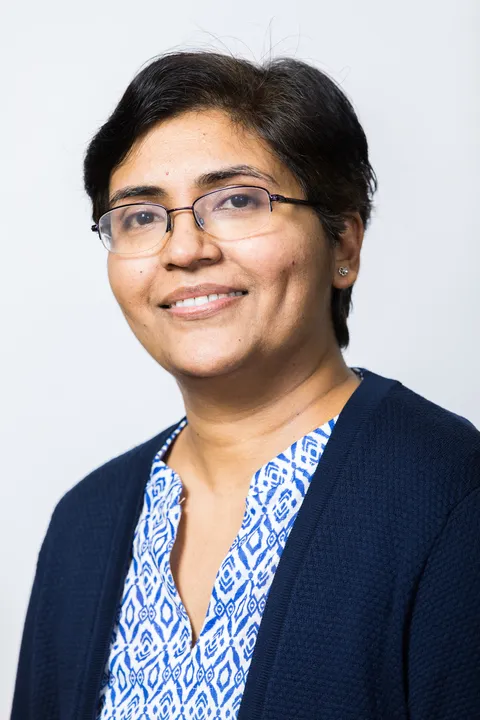
Dr. Dipa Roy joined School of Engineering, University of Edinburgh, in January 2017 as Lecturer in Composite Materials and Processing.
She obtained her B.Sc degree (Chemistry Honours), B.Tech and M.Tech degree in Polymer Science and Technology from University of Calcutta, India. She completed her PhD from Indian Association for the Cultivation of Science (IACS), Jadavpur University, India, in 2002. Between 2003 and 2005 she worked as Research Associate with Government of India fellowship at IACS.
She started her job as Lecturer in the Department of Polymer Science and Technology, University of Calcutta in 2005 and continued in that position till September 2011. She received Young Scientist Award from the Department of Science and Technology (DST), Government of India, in 2006 and Career Award for Young Teachers from All India Council for Technical Education (AICTE), Government of India, in 2007. She successfully completed seven Government of India funded research projects as Principal Investigator during this tenure. In 2011 she joined Irish Centre for Composites Research (IComp) at University of Limerick, Ireland, as Research Fellow (2011-2016). At IComp she conducted industry focused research in the area of polymer composites.
In her career, she has published over 80 peer reviewed journal papers and 14 book chapters. She has edited a book on biocomposites with Elsevier. She has an EU patent on Dielectric heating of polymers in 2016.
She is currently supervising 3 PhD students as the Principal Supervisor, 4 PhD students as Co-Supervisor and 3 Post Doctoral researchers at the University of Edinburgh.
She is the Fellow of the Institute of Materials, MInerals and Mining (IOM3).
Dr Dipa Roy is the recipient of “The 2021 Top 50 Women in Engineering: Engineering Heroes (WE50)” award in 2021.
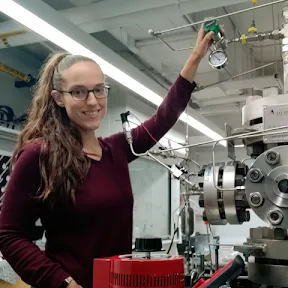
PhD in Mechanical Engineering, University of Michigan MSc in Mechanical Engineering, University of Michigan BSc in Mechanical Engineering, University of Cincinnati
The bottom-up approach to synthetic biology aims to create life-like artificial cells from non-living components. Our group specialises in creating synthetic cells that contain multiple sub-compartments (analogous to eukaryotic cell organelles). To do this, we use droplet microfluidics and giant lipid vesicles (or GUVs). Once created, we can setup multi-step enzymatic reaction cascades between the compartments.These synthetic cells can shed light on natural biological cell functions but can also be used for industrial applications like biofuel production or in biomedical applications for drug delivery.
Cell membranes need to be structurally complex in order to perform a multitude of cellular functions. Studying individual components, like biomembranes, is typically performed using real cells. However, isolating biomembranes from the rest of the cell can be difficult or impossible. Therefore, as an alternative, our lab uses model membranes. Here, different aspects of the membrane, such as lipid composition, permeability, and membrane proteins can be studied in isolated under controlled conditions, free from other cellular influences. Different types of lipid membranes serve as our models including GUVs on the micron-scale, and nano-sized lipid vesicles down to 100 nm. In addition, we also use these model membranes systems to study membrane fusion as well as ligand-membrane interactions. Key to our success is the development of our cutting-edge lipid vesicle formation methods including microfluidics and bulk emulsions.
Microfluidic technology is used throughout the different research topics in the Robinson lab. We current focus on using microfluidics for the following applications:
Designing, fabricating, and testing novel microfluidic systems for new applications also makes up its own unique line of research.

My research focuses on the development of miniature bioelectronic interfaces for applications in synthetic biology and biomedical engineering. I lead a highly collaborative and interdisciplinary research group in these areas at the Institute for Integrated Micro and Nano Systems (IMNS) within the School of Engineering.
Recent work developed a miniature implantable oxygen sensor, which has been extensively tested in vivo for its potential use in cancer radiotherapy treatment and for post-operative tissue monitoring. Currently, a UoE/NHS consortium is further developing this sensor with the aim of clinical application.
We also have a strong interest in the technology that supports synthetic biological biosensor systems. Specifically, we are developing an electrochemical platform, designed to enable multi-channel data readouts from cell-free systems.
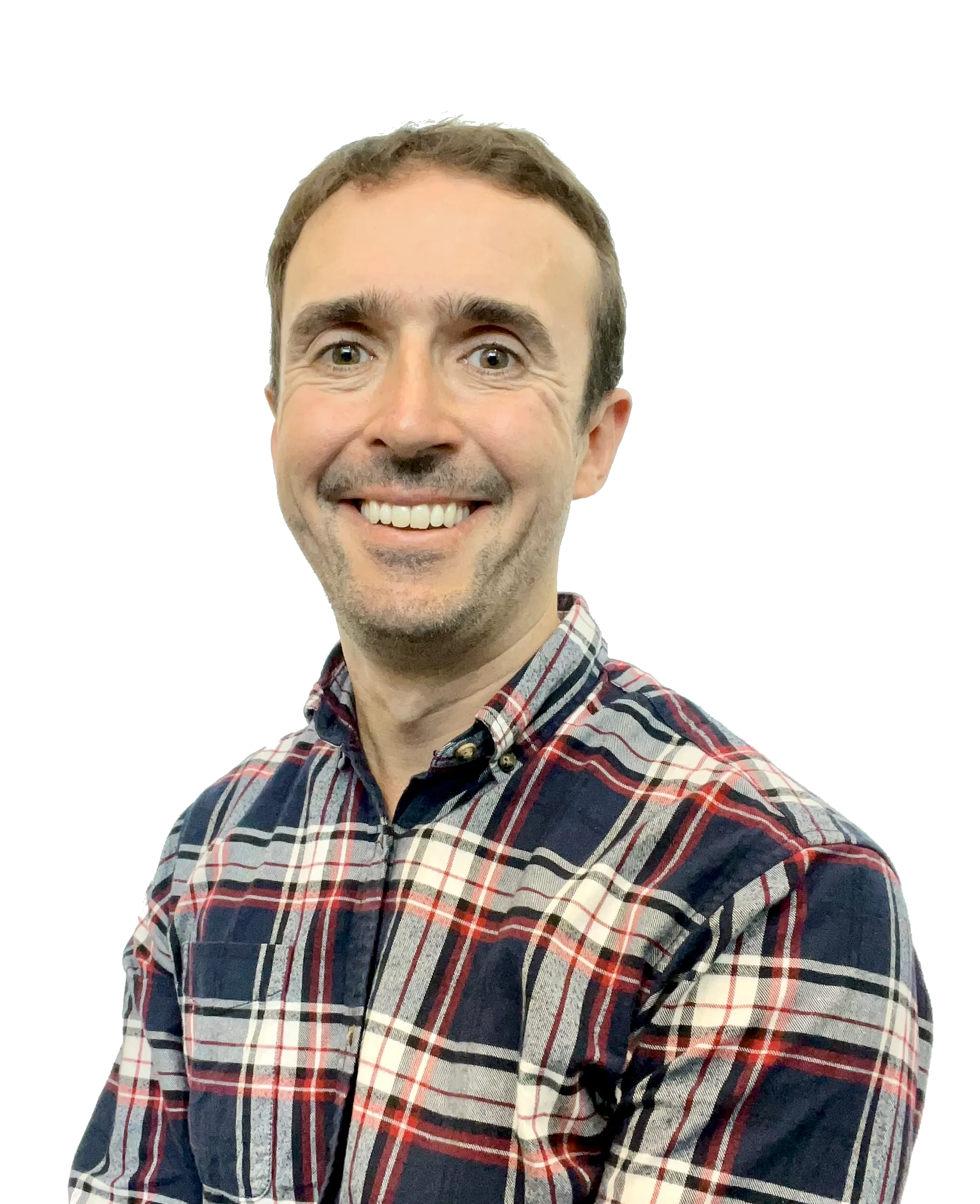
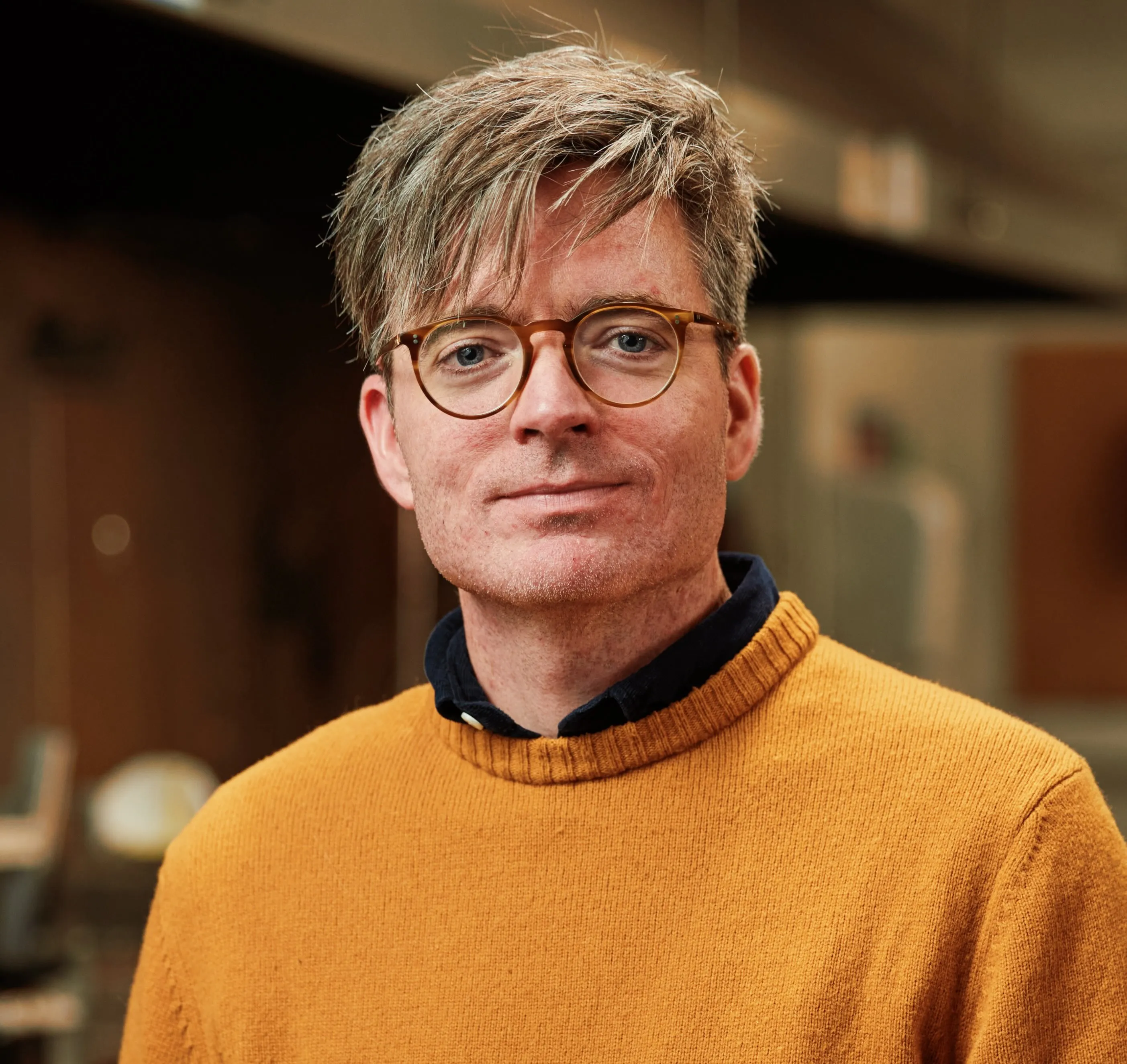
Tom has been Chancellor's Fellow, Lecturer and Senior Lecturer (Associate Professor) in Civil Engineering at the University of Edinburgh since June 2017. Previously, he worked as a postdoctoral researcher at the Universities of Bath and Cambridge, and in engineering consultancy with White Young Green and Adams Kara Taylor, involved in civil and structural engineering design for projects ranging from a new sea lock in Swansea to the Masdar Institute building with Foster and Partners in Abu Dhabi. He studied for his PhD at the University of Bath in the BRE Centre for Innovative Construction Materials. He then worked as Postdoctoral Research Associate on the Leverhulme Trust sponsored Natural Material Innovation project at the University of Cambridge. Tom has been a chartered member of the Institution of Civil Engineers since 2010.
MEng Engineering Science (First Class), University of Oxford 2005
PhD University of Bath 2013
PGCert Teaching and Learning in Higher Education, University of Cambridge 2017
Tom has been a Chartered Engineer and Member of the Institution of Civil Engineers since 2010
Tom teaches structural mechanics, engineering materials and design courses.
Tom researches the use of wood and bamboo in structures, structural sensing and structural dynamics.
In wood and bamboo, he is interested in connection performance, including the stiffness and strength of dowel-type timber connections, and carpentry connections, including those made by computer numerical control (CNC) fabrication.
In structural sensing and structural dynamics, Tom is interested in what designers can learn by putting sensors on structures and measuring how they move under everyday loads.
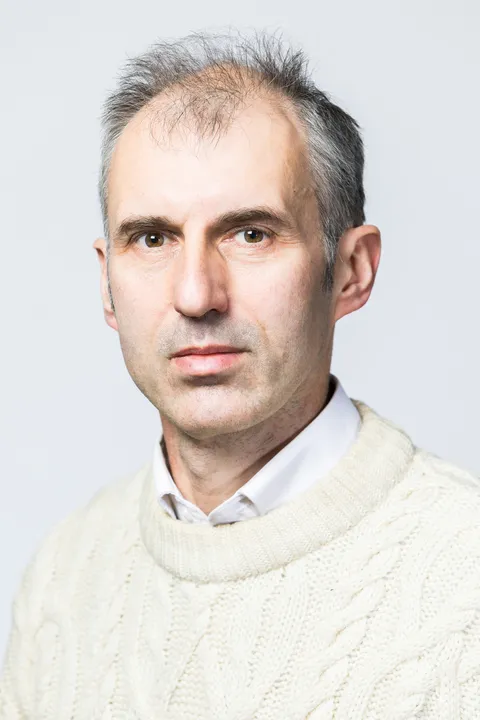
Rory Hadden holds a Personal Chair in Fire Science. Previously he was the Rushbrook Senior Lecturer in Fire Investigation. Prior to joining the University of Edinburgh he held positions at University of Western Ontario and Imperial College London.
His research interests include pyrolysis, ignition, flammability and flame spread with application to the built and natural environments. Rory specialises in experimental work ranging from laboratory scale studies to field scale measurements of fire phenomena with novel sensing methods.
PhD Engineering - University of Edinburgh - 2011
MEng (1st Class) Chemical Engineering - University of Edinburgh - 2007
CIVE09023 Fire Safety Engineering 3
CIVE10011 Fire Science and Fire Dynamics 4
PGEE11243 Fire Science Lab
Investigation of fires and wildfires.
I am always interested to talk to anyone with an interest in fire science, fire engineering and how we understand fires and their impacts. Feel free to get in touch.
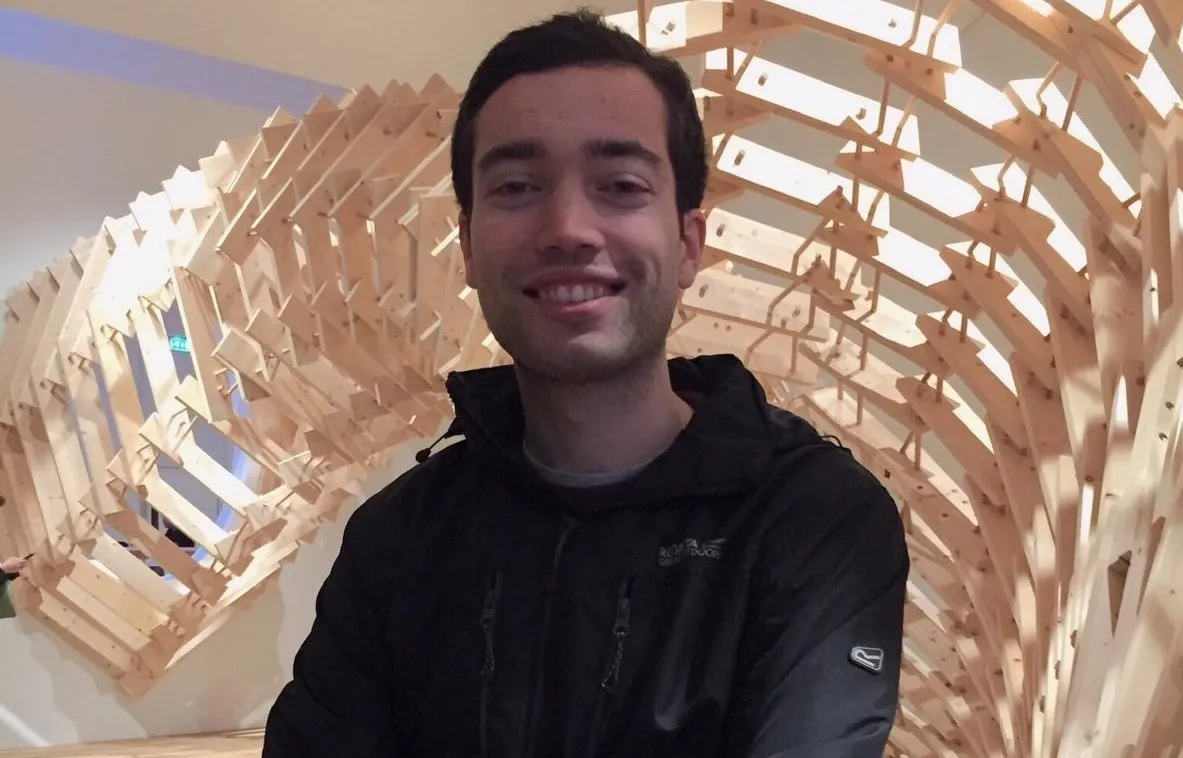
Dr Zakary Campbell-Lochrie is a Lecturer in Fire Science. He teaches in the Mechanical Engineering discipline and conducts research as part of the Institute for Infrastructure and Environmental Engineering. His research focuses on the combustion and fire behaviour of bio-based materials with a particular interest in the fundamental physical processes controlling flame spread, particularly in the context of wildland fires.
This involves theoretical and experimental work across multiple scales in both laboratory and field environments and the development and deployment of multi-scale fire science instrumentation.
Associate Fellowship of the Higher Education Academy
Principles of the Fire Laboratory 5/ Principles of the Fire Laboratory (MSc)
Mechanical Engineering 2
Electrical & Mechanical Engineering 2
Cohort Lead: 3rd Year Mechanical Engineering