
Image
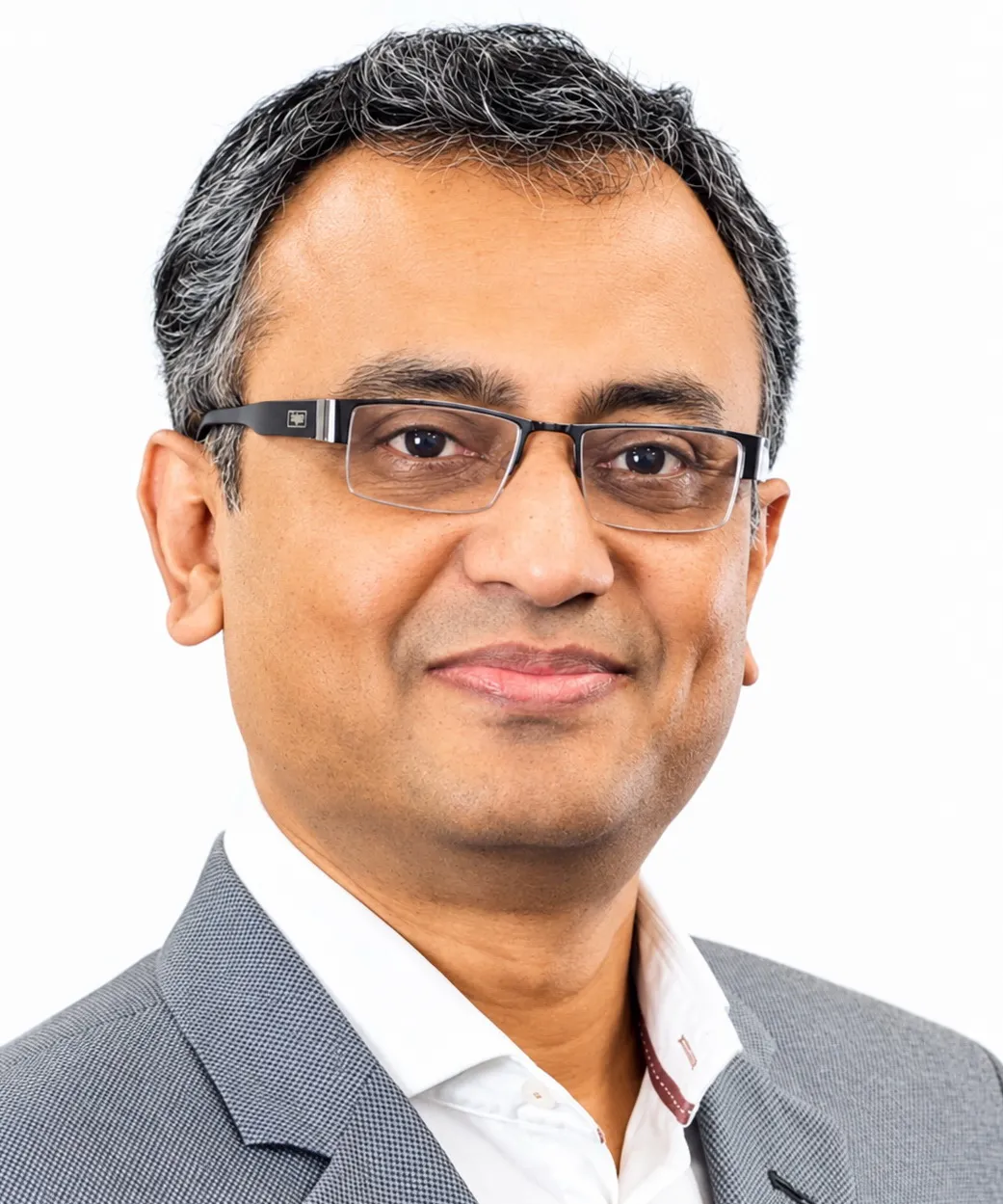
Dr Prodip Das holds a PhD in Mechanical Engineering from the University of Waterloo, where he specialised in hydrogen fuel cells under the supervision of Professor Xianguo Li. He also holds two MSc degrees in Mechanical Engineering from Bangladesh University of Engineering and Technology (BUET) and the University of Alberta, and a BSc in Mechanical Engineering from BUET, where he graduated in 1998 with top honours, first place in his graduating class, record marks, and the Gold Medal in Mechanical Engineering.
Dr Das began his academic career at BUET, where he served as a Lecturer (1998–2001) and then as an Assistant Professor (2001–2007) in the Department of Mechanical Engineering. He completed his PhD in 2010 and subsequently joined Lawrence Berkeley National Laboratory as an NSERC Postdoctoral Fellow (2010–2013), working with Dr Adam Weber. His postdoctoral research focused on water management and water transport dynamics in proton-exchange membrane fuel cells, as well as real-time defect detection using infrared thermography.
His research focuses on hydrogen energy, electrochemical energy conversion and storage, electric-vehicle technologies, and advanced thermofluid and multiphysics modelling. His work spans hydrogen fuel cells and water electrolyzers, lithium-ion batteries, battery safety, recycling and second-life applications, and advanced heat and mass transfer. A major focus of his current research is the modelling, design, and optimisation of PEM and AEM fuel cells and electrolyzers, with particular emphasis on transport phenomena, water and thermal management, hydrogen production, electrochemical performance, and degradation. He also investigates EV battery performance, ageing, safety, recycling, and reuse, including the repurposing of retired batteries for second-life energy-storage applications. His broader research interests include electrothermal characterisation, convective heat transfer, nanofluids, and nature-inspired thermal transport, which complement his work in energy conversion, storage, and thermal management.
Dr Das has made substantial contributions to the fields of hydrogen energy, fuel cells, electrolyzers, batteries, and sustainable energy technologies, with more than 140 scientific articles, seven book chapters, and eight edited books. He is the lead editor of Fuel Cells for Transportation: Fundamental Principles and Applications, a comprehensive reference work on fuel-cell technologies for transportation. His research has received more than 5,400 citations and an h-index of 35.
He has delivered more than 40 invited and keynote presentations and contributes to the international research community through editorial, advisory, peer-review, conference, and research-funding activities. His research and professional contributions have been recognised through awards, including the Dr V.G. Desa Gold Medal, the Dr Chandrashekar Memorial Award in Sustainable Energy, and the ASME Emerging Investigators in Electrochemical Energy Conversion and Storage Award.
Editorships
Guest Editor
Editorial/Advisory Board Member
A common theme across these research areas is the development of fundamental understanding, advanced modelling and simulation tools, and innovative engineering solutions to improve the efficiency, reliability, safety, sustainability, and scalability of low-carbon energy-conversion and storage technologies.
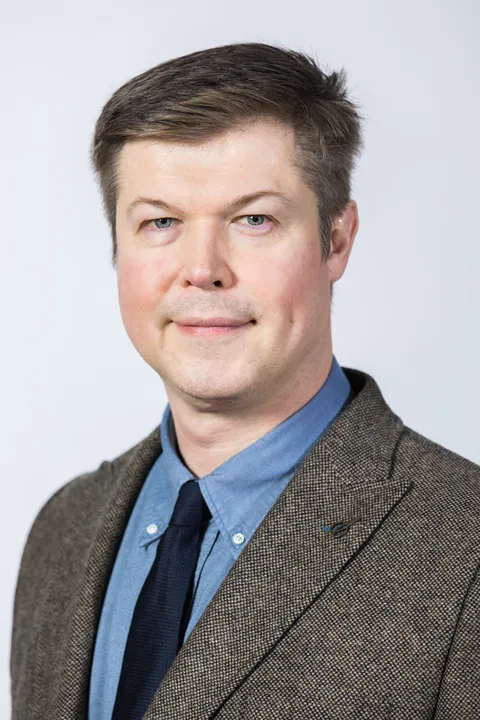
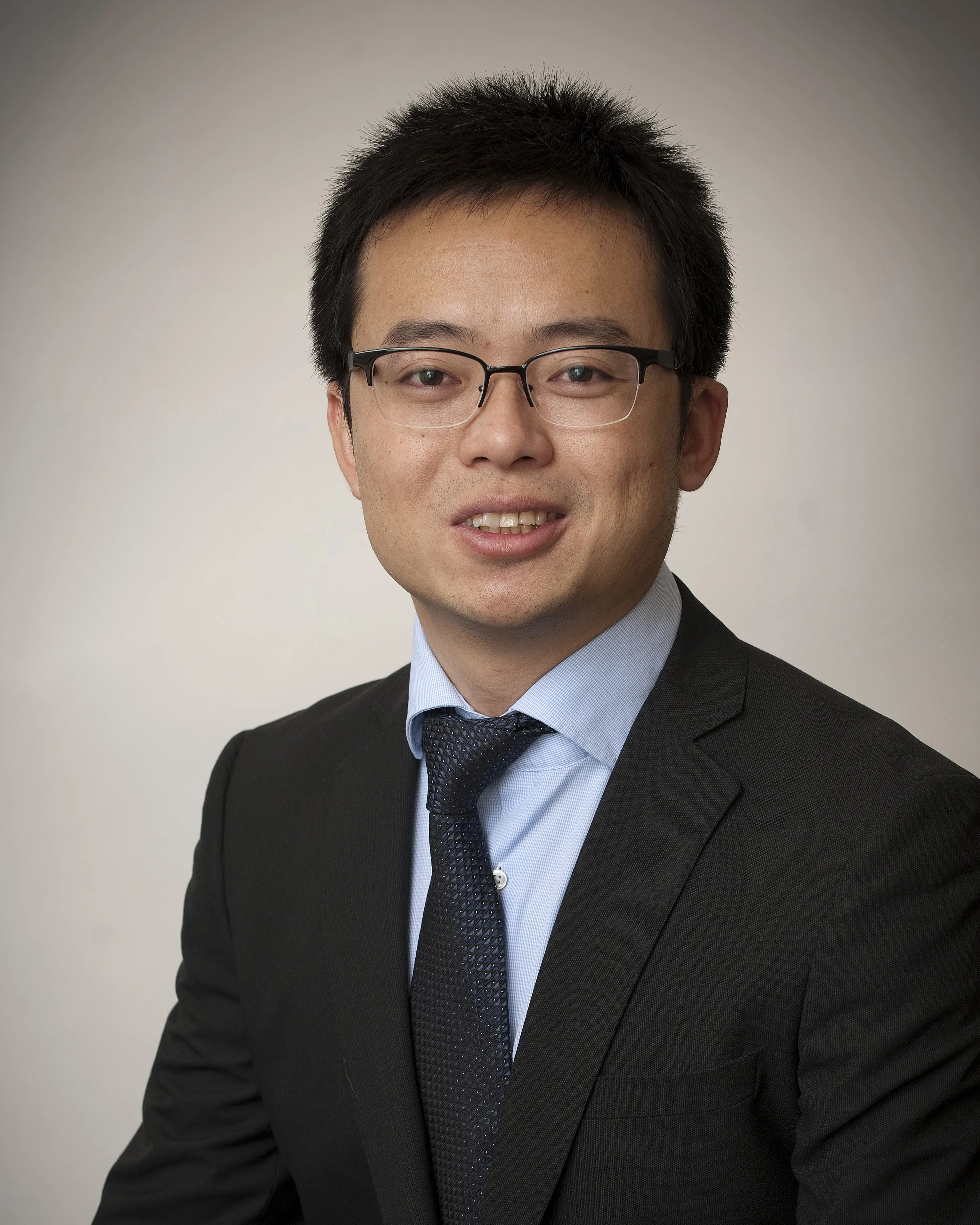
Dr Yang's current research interests focus on Composites Engineering (materials, manufacturing and structures) and Computational Engineering (multiscale, multiphysics, multiphase coupling). With a background in manufacturing and later experience in structural and materials engineering, his cross-disciplinary research is at the interfaces of underpinning material science, emerging manufacturing technologies and advanced structural analysis and design. He also develops computational techniques and deterministic models to address multiscale, multiphysics and multiphase coupling challenges across engineering disciplines.
CEng, FIMechE, FHEA
I welcome talented PhD candidates, postdoctoral fellows and academic/industrial visitors from various engineering disciplines to work on composites engineering and computational engineering.
There are various scholarship opportunities at Edinburgh, click the links below for more details:
Principal's Career Development PhD Scholarships
Edinburgh Global Research Scholarship
University of Edinburgh scholarships
Centre for Doctoral Training (CDT) scholarships

Andrew Downes - Google Scholar
Andrew studied at the University of Cambridge and was awarded a degree in Natural Sciences (Physics) in 1992. He continued in Cambridge for his PhD on nano-optical microscopy which was awarded in 1996. He remained in Cambridge as a Postdoc on the analysis of metallic nanowires until 1998, when he moved to Marseille to continue work on nano-optical microscopy and spectroscopy. He returned to Cambridge in 2001 to set up a nano-optical microscope, and in 2003-4 was at UCL working on nano-optical lithography.
In 2005 he moved to Edinburgh to work on nano-optical Raman microscopy. In 2006 he set up a Coherent anti-Stokes microscope for biological samples, and in 2007 was awarded an RCUK fellowship which converted into a lectureship in 2012. Research expanded to Raman spectroscopy, Atomic Force Microscopy mechanical measurements, and high-speed Raman imaging of biological samples. A common theme has been novel measurements, and pushing the limits of detection. In 2020 he was promoted to senior lecturer.
A recent focus has been the use of Raman spectroscopy in cancer and neurodegenerative diseases, investigating living cells and tissues and applying to accurate diagnosis.
PhD (Department of Engineering, University of Cambridge, 1996).
Senior Fellow of the Higher Education Academy (SFHEA) since 2017.
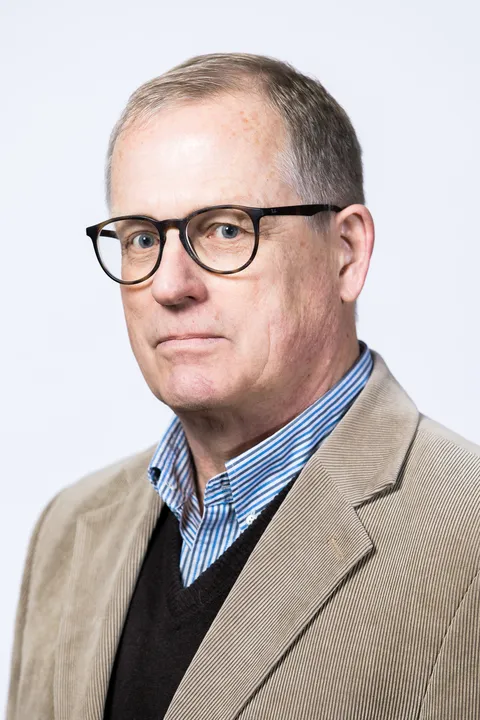
Mark Linne is an experimentalist who has worked in reacting flow-fields (sprays, combustion and fuel cells) and advanced flow-field measurement techniques (laser and x-ray based) since earning a PhD in Mechanical Engineering at Stanford University. He has worked as a laser development scientist at Spectra-Physics Inc. where he developed the first commercially available diode-pumped solid state lasers (now an ubiquitous technology, for which he was awarded 2 patents). He was a professor at the Colorado School of Mines (in the US), The University of Lund (in Sweden), Chalmers University (in Sweden) and now the University of Edinburgh. Throught his career Linne has been active in the development of fiberoptic-based absorptipn/fluorescence probes; short-pulse degenerate four-wave mixing (DFWM) and pump/probe absorption spectroscopy; novel gated-integration and phase sensitive detection imaging techniques; early particle image velocimetry and cavity-enhanced absorption techniques; time-gated ballistic imaging for sprays; and x-ray photoelectron spectroscopy for interfacial electrochemistry. Linne is currently working on short pulse coherent anti-Stokes Raman spectroscopy (CARS) in collaboration with Sandia Labs, and on novel approaches to thermodynamic state changes (trans-critical) in liquid/gas systems (e.g. fuel sprays). He has also served as a manager of Combustion Chemistry at Sandia National Labs' Combustion Research Facility and he was the Director of the Combustion Engine Research Center at Chalmers University. Linne is now the Chair of Combustion Engines in Edinburgh with the task to lead the development of a new lab that focuses on novel internal combustion engines for hybrid vehicles, as range extenders for electric cars, for heavy-duty Diesel engines, and marine engines. The lab has a specialty in direct-injected engines and so it also focuses on spray physics. A new Small Research Facility is under development. Linne is also the Head of the new Institute for Multiscale Thermofluids.
