Image
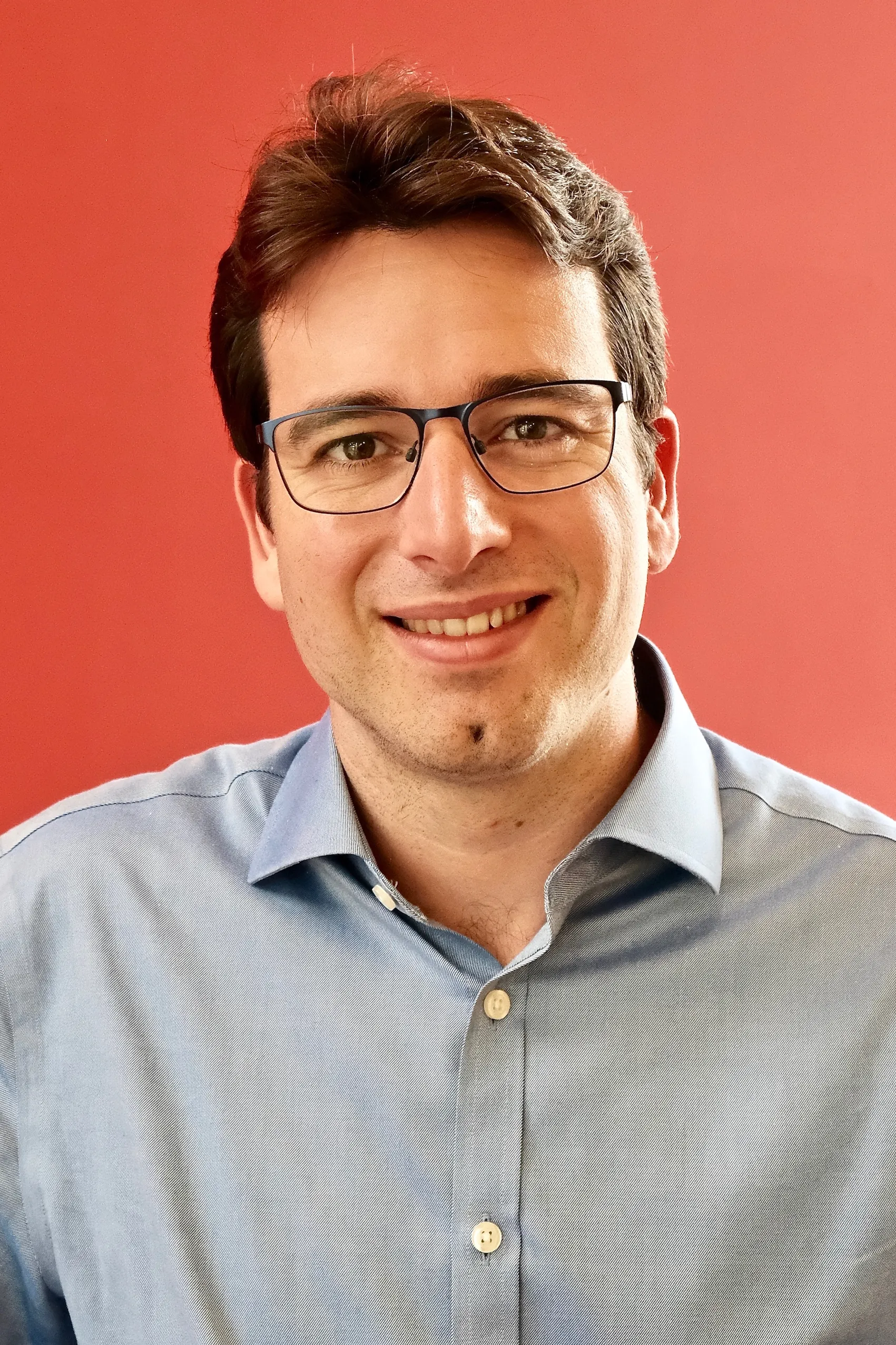
Athanasios is working on engineering fluid mechanics, incorporated within the Institute for Infrastructure and the Environment and leading research on hydro-environmental applications. Aside from the role of lecturer in Civil Engineering hydraulics, as an Industrial Innovation Research Fellow of the UK’s Natural Environment Research Council (NERC) he coordinates research activities on computational methods for marine and offshore renewable energy, working closely with industry and other research groups.
He is Chartered with the Technical Chamber of Greece and a member of the Institution of Civil Engineers. In addition, he is a member of NERC’s Peer Review College and serve as the Coordinator of the Edinburgh Fluid Dynamics Group.
His research and expertise spans across
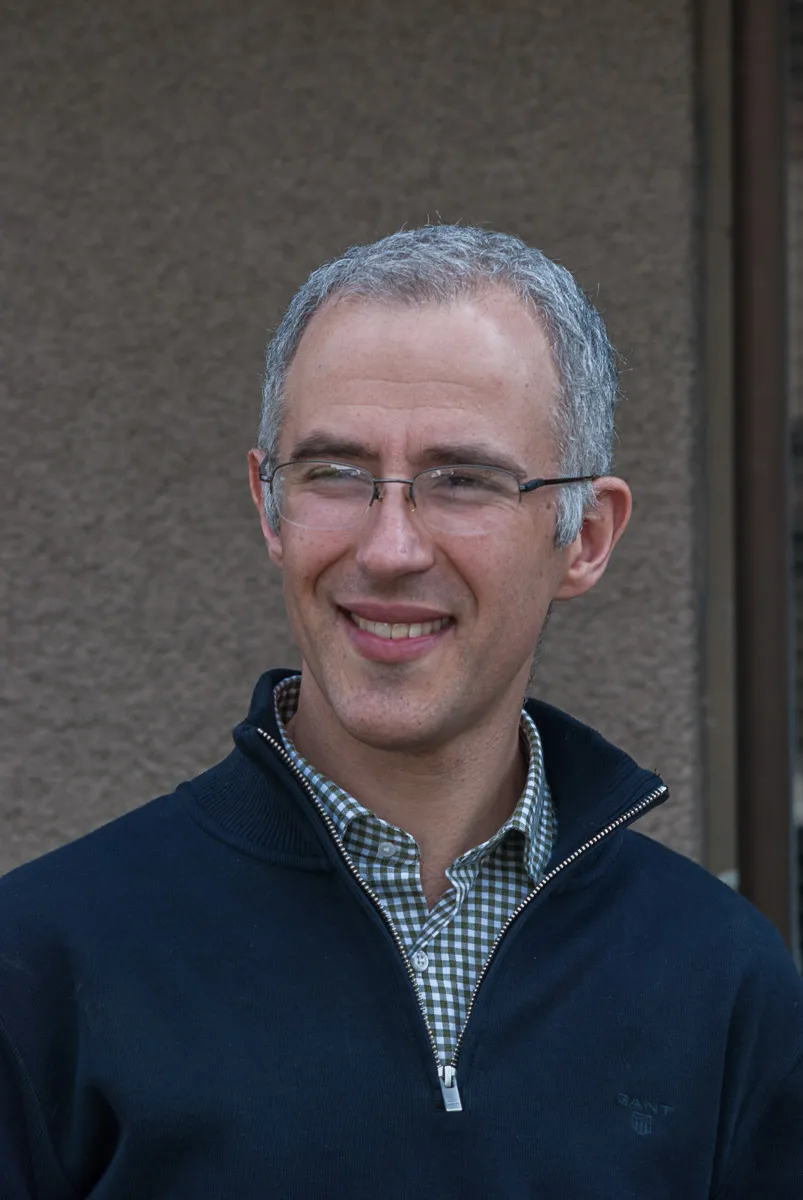
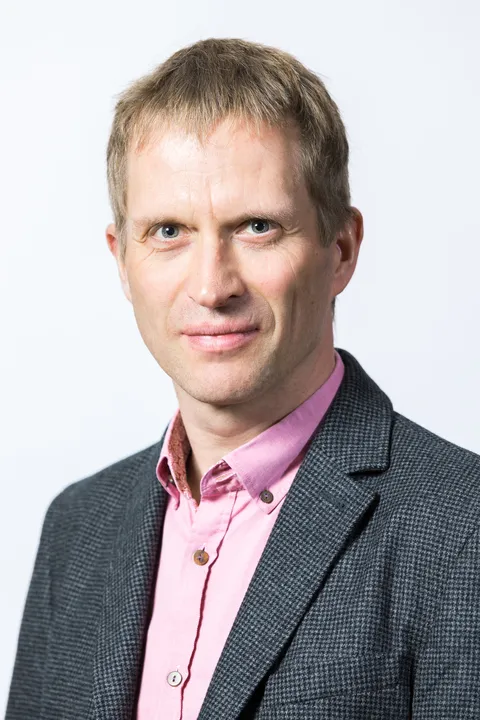
MIStructE, CEng
Fibre Reinforced Polymers (FRPs) such as carbon, aramid and glass FRPs are being increasingly used in construction. These advanced composites can be used in combination with traditional construction materials, or to form structures in their own right. Of particular importance with FRP materials are the methods of forming joints.
The structural use of FRPs usually involves adhesive joints. These might be between two pieces of FRP (eg: in an all-FRP bridge deck), or where the FRP is bonded to another material (eg: FRP strengthening of a metallic beam or FRP reinforcement inside concrete). These bonded connections require proper design, both mechanically and to ensure their durability.
Metallic, concrete and masonry structures can be strengthened by bonding FRP to their external surfaces. FRP can be used to strengthen a wide variety of structural elements (eg: bridge columns and decks and floor slabs). FRP is particularly beneficial where time or space constraints govern a strengthening scheme.
FRP materials can be used to reinforce structural concrete. They are most likely to be used for their corrosion restance (eg: marine environments) or near electromagnetically sensitive equipment. However, replacing ductile steel rebar with brittle FRP reinforcement requires traditional concrete design techniques to be revised.
My name is Frédéric Bosché. Following a PhD in Civil Engineering at the University of Waterloo (Canada), I worked for 2 years as researcher in the Computer Vision Laboratory at ETH Zurich, before becoming Assistant Professor in Construction Informatics at Heriot-Watt University. In 2019, I joined the University of Edinburgh where I was first Senior Lecturer and now Reader in Construction Informatics. I teach on Engineering Project Management, Digital Construction and some Surveying. I also lead the CyberBuild Lab that delivers research and innovation in related areas.
My research interests are related to the development and application of new digital solutions to support project delivery and asset (including heritage) management (operation and maintenance), with current focus on:
Aside from our academic and industrial impact, our research projects in the CyberBuild Lab have also given my colleagues and I the opportunity and joy to engage in numerous public engagement activities from school career fairs to events at the Glasgow Science Museum and the Edinburgh International Science Festival.
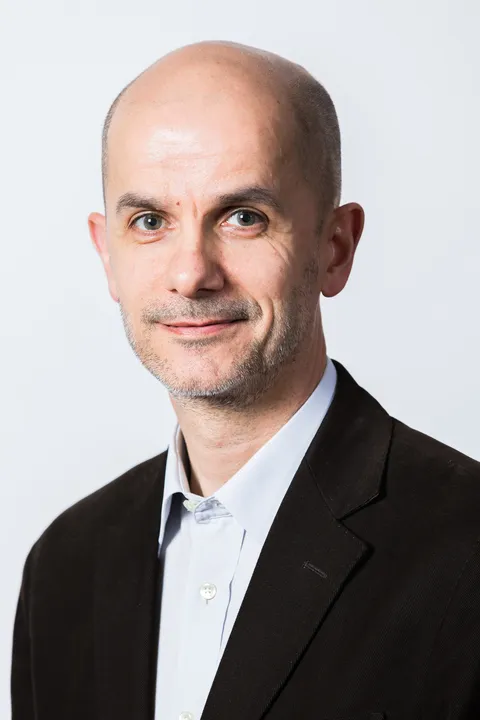
Mechanical Engineer and academic since 1993. Chair of Impulsive Dynamics and Head of Mechanical Engineering at The University of Edinburgh (UK). Author of over 250 technical/scientific and pedagogical publications, including more than 80 in international peer-reviewed journals.
Co-founder of the Light-Weight Armour for Defence & Security group (LWAG) and president of LWAG from 2008 to 2012. Director of Mechanical Engineering (School of Engineering, The University of Edinburgh) from 2021 to 2024. Member of the Institute for Infrastructure and Environment (IIE) and of the Centre for Science at Extreme Conditions (CSEC). Member of the Royal Photographic Society (RPS), Chartered Engineer (CEng) and Fellow of the Institute of Mechanical Engineers (FIMechE).
Research interests focus on understanding the behaviour of materials and structures under impulsive and dynamic loads, and improving their response through better energy absorption mechanisms at different scales, in areas as diverse as the built environment, transport systems, aerospace structures and the human body. Research primarily combines numerical, experimental and analytical/theoretical approaches and methods in impulsive/structural dynamics; materials for energy absorption; protection and armour systems; sports impact and human bio-dynamics; crashworthiness; terminal ballistics, blast and shock wave dynamics, hypervelocity impact and extreme strain rates.