
Image
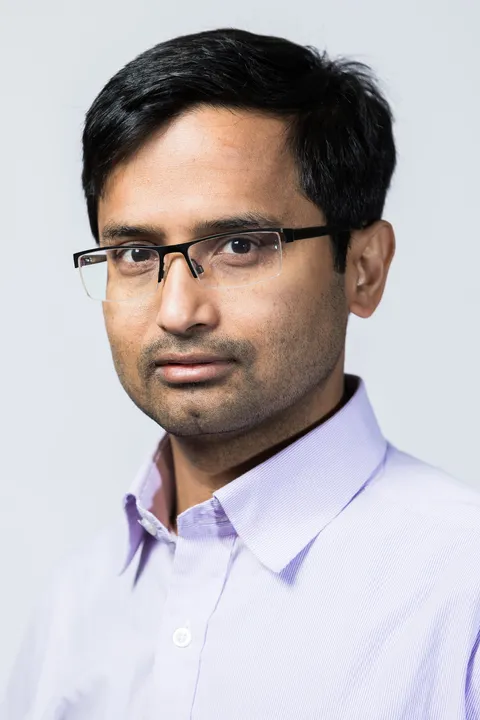
Srinjoy Mitra received his B.S. degree in physics and electronics from Calcutta, India and his M.Tech. degree from the Indian Institute of Technology, Bombay, India. After spending a short time in the electronics industry (in India and Japan), he received his Ph.D. from the Institute of Neuroinformatics, ETH Zurich in 2004. Between 2008 and 2010 he worked as a post-doctoral researcher at Johns Hopkins University, Baltimore, USA.
He then joined the medical electronics team at IMEC, Belgium and worked there as a senior scientist until early 2016. At IMEC, he took up leadership roles in various industrial and publicly funded projects primarily related to ambulatory medical devices (EEG, ECG etc.). He led multiple projects on neural implants for central and peripheral nervous systems. Prof Mitra returned to academia as a Lecturer at the University of Glasgow. In 2017 he moved to the Integrated Micro and Nano Systems, University of Edinburgh.
Prof Mitra has two parallel research tracks.
His technological research interests are in low-power sensor interfaces, medical/neural electronics, neuromorphic systems. Dr Mitra is the Program Director for the MSc in Sensors and Imaging System. He is also a founding member of Edinburgh Neuroprosthetics Lab.
He is also deeply interested in technological innovation, its global implications, and its pedagogy. This includes a critical analysis of the relentless growth of digital technologies and their impact on the planet and people, both historically and in the future. He was the convenor of the Decolonisation Working Group in the College of Science and Engineering. Read recent papers on these topics here [1],[2],[3],[4],[5],[6].
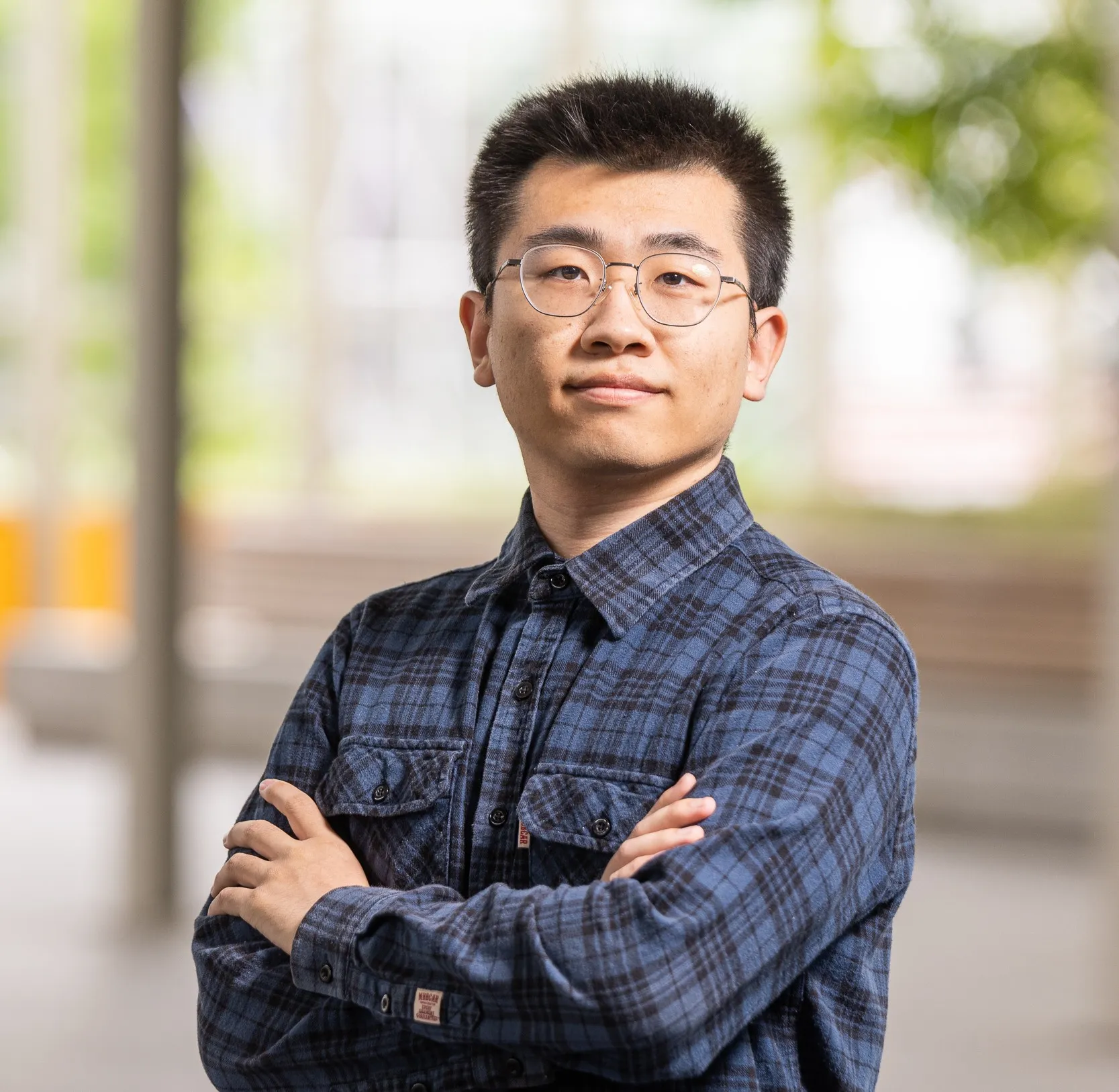
Bochen Ye is currently a first-year PhD student at the Centre for Electronics Frontiers, University of Edinburgh. Before that, he received his Master degree in Eletrical Engneering from Eindhoven University of Technology(TU/e), Netherlands in 2024 and Bachelor degree in Integrated Circuit Design and Integrated Systems from Hefei University of Technology(HFUT), China in 2022. He was a intern at NXP Semiconductor and Intrinsic ID(now part of Synopsys).
PhD student in Engineering - UoE, UK, Now
M.S.(ir.) in EE - TU/e, NL, 2024
B.Eng. in IC design - HFUT, China, 2022
Bochen's research focuses on designing digital hardware acceleration systems for large-scale AI models using novel architectures, aiming to overcome memory and computational bottlenecks. His work emphasizes efficient dataflow, high-performance accelerators, and energy-efficient AI systems on digital ASIC chips. His current focus is on advancing hardware accelerators for LLMs, VLMs, and generative AI to enable next-generation intelligent computing.
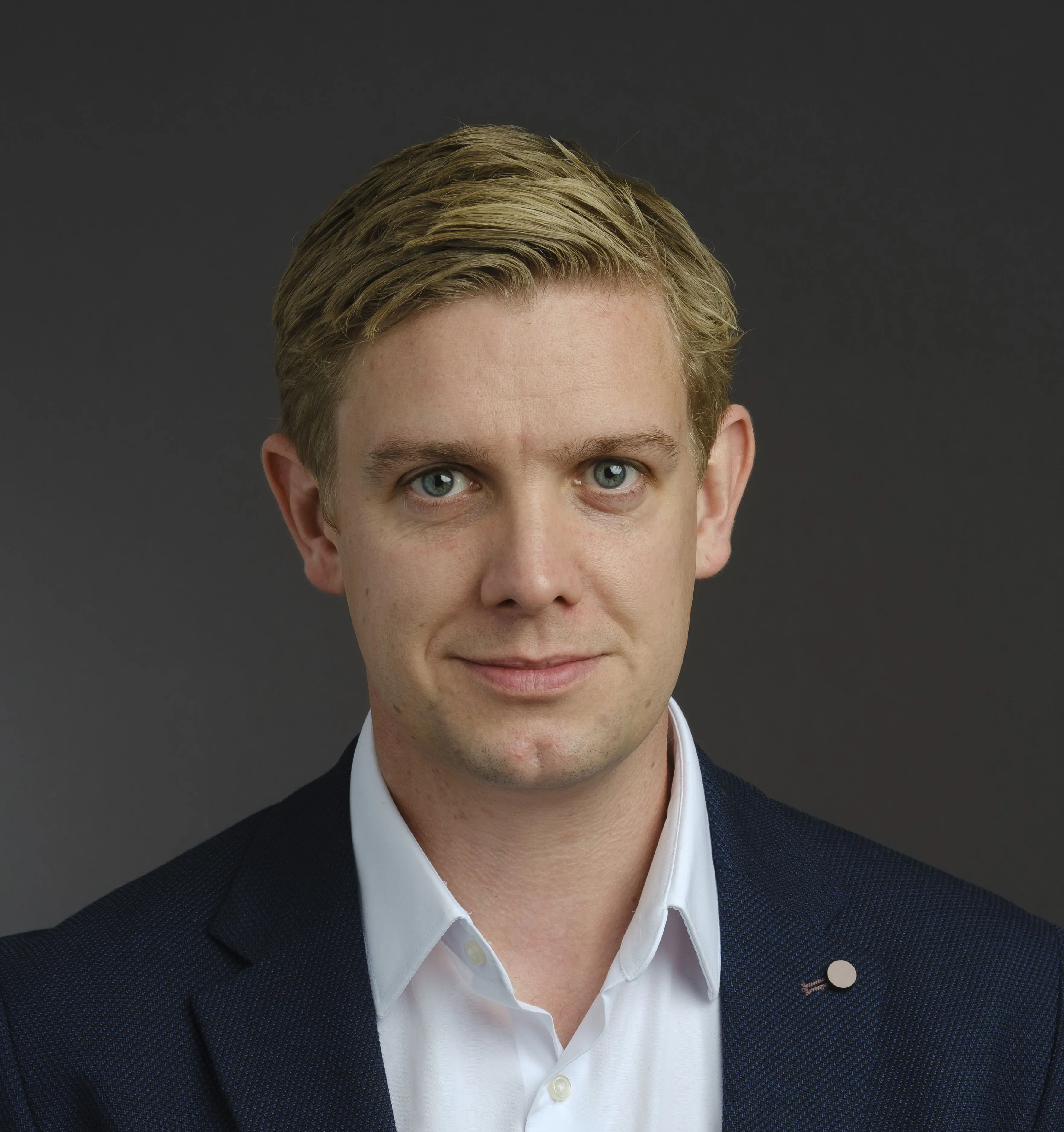
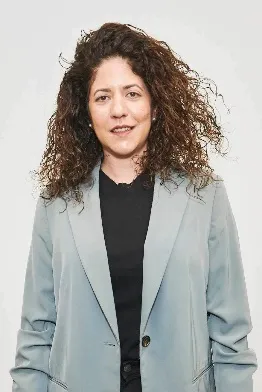
Dr Julianna Panidi is a Chancellor’s Fellow/Lecturer in n Climate and Environmental Sustainability at the Institute for Integrated Micro and Nano Systems at the School of Engineering. Before she was an EPSRC David Clarke Fellow in the Department of Chemistry at Imperial College London. She is a Fellow of the 2024 European Talent Academy and a Fellow of the Higher Education Academy, and she has been a Mental Health First Aider for over 9 years.
Julianna obtained her PhD in 2020 from Imperial College London, Department of Physics, part of the Plastic Electronics CDT. Additionally, she holds an MRes in Physics and Nanomaterials (2015) from the University of Pierre and Marie Currie in Paris, France. In 2014, she completed her BSc in Materials Science at the University of Patras in Greece.
Accepting PhD applications.
Her research focuses on developing high-performing and eco-friendly solution-processed electronics, such as thin film transistors, sensors, and solar cells. She has studied methods to enhance the optoelectronic properties of the materials and the devices. During her DCF fellowship, she was focusing on sustainable solution-processed solar cells, primarily focusing on materials, methods, and solvents used during manufacturing.
Visit the Sustainable Printable Electronics Research Group website website

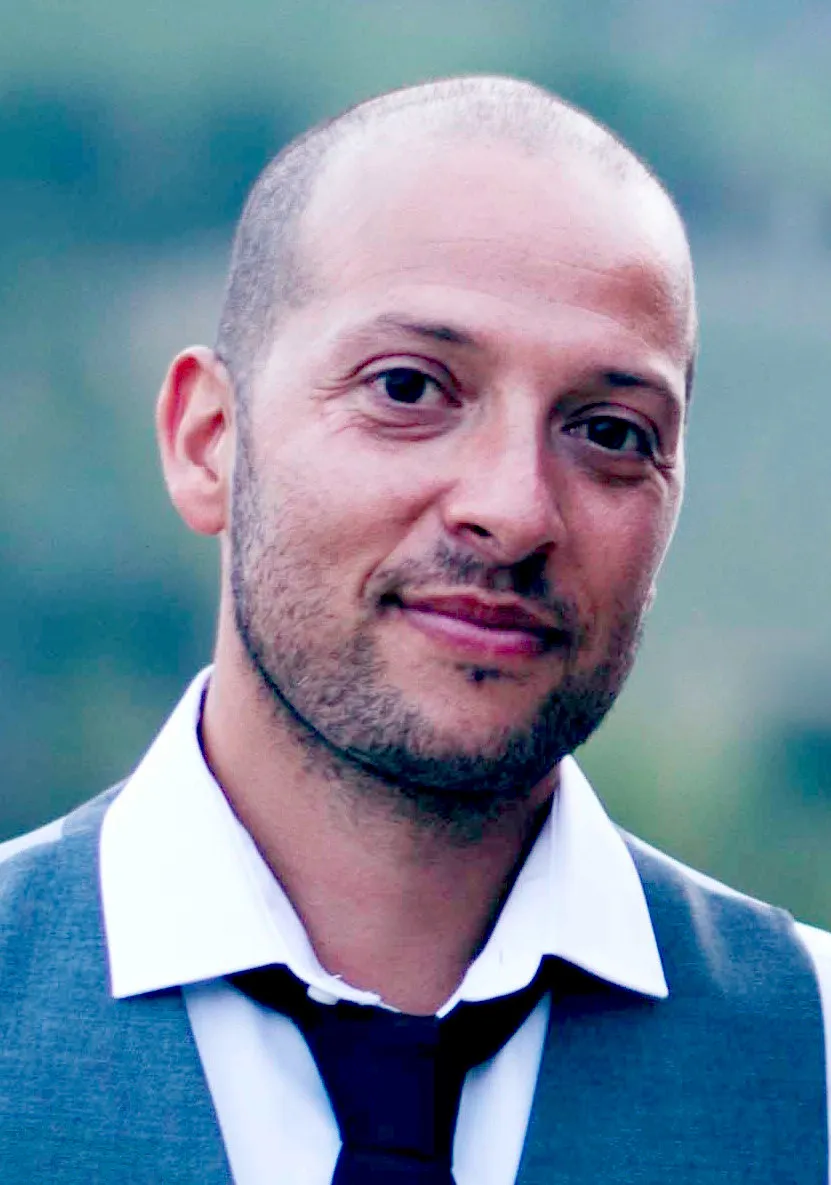
Dr. Giorgio-Serchi is a Senior Lecturer (Associate Professor) within the School of Engineering, Institute of Integrated Micro and Nano System, and teaches within the Mechanical Engineering discipline; he is affiliated with the Edinburgh Centre for Robotics. His research focueses on soft-bodied underwater vehicle design and control, soft manipulator control, model-predictive control of unmanned underwater vehicles and soft robot sensing.
Dr Giorgio-Serchi holds a Laurea Degree (MSc equivalent) in Marine Science & Technology from the University of Pisa. He was a Marie-Curie Early Stage Training (EST) Fellowship and PhD in Computational Fluid Dynamics at the University of Leeds under the supervision of Prof. Jeff Peakall. In 2011 he was awarded a Marie-Curie European Reintegration Grant (ERG) to undertake a Research Fellowship in bioinspired aquatic propulsion at the Centre for Sea Technologies and Marine Robotics of the Biorobotics Institute, as part of the CFD-OctoProp project and the project PoseiDrone, under the supervision of Prof. Cecilia Laschi. In 2015, sponsored by the Lloyd's Register Foundation, he moved to the Fluid Structure Interaction Group of the University of Southampton to work on the development of bioinspired soft-bodied underwater vehicles and the study of aquatic propulsion aided by body-shape variations under the supervision of Prof. Gabriel Weymouth.
In 2018 Dr Giorgio-Serchi moved to the University of Edinburgh as Chancellor 's Fellow in Robotics and Autonomous Systems (Tenure Track Assistant Professor), as part of the Data Driven Innovation initiative, joined the Soft Systems Group and started work within the OrcaHub in collaboration with Dr. Kiprakis (Institute of Energy Systems), Prof. Mistry (School of Informatics) and Dr. Stokes (Scottish Microelectronics Institute).
Dr Giorgio-Serchi currently maintains collaboration with Dr. Weymouth at the DelftTU, Dr. Calisti at the Scuola Superiore Sant'Anna and Dr. Renda at Kahlifa University. I also maintain very active collaborations with Prof. Suzumori's Endorobotics Lab at Tokyo Tech, Prof. Mochiyama's Flexible Robotics Lab at Tsukuba University, Prof. Tadokoro's Human-Robot Informatics Lab at Tohoku-Sendai University and Hosoya's Mechanical Dynamics Lab at Shibaura Institute of Technology.