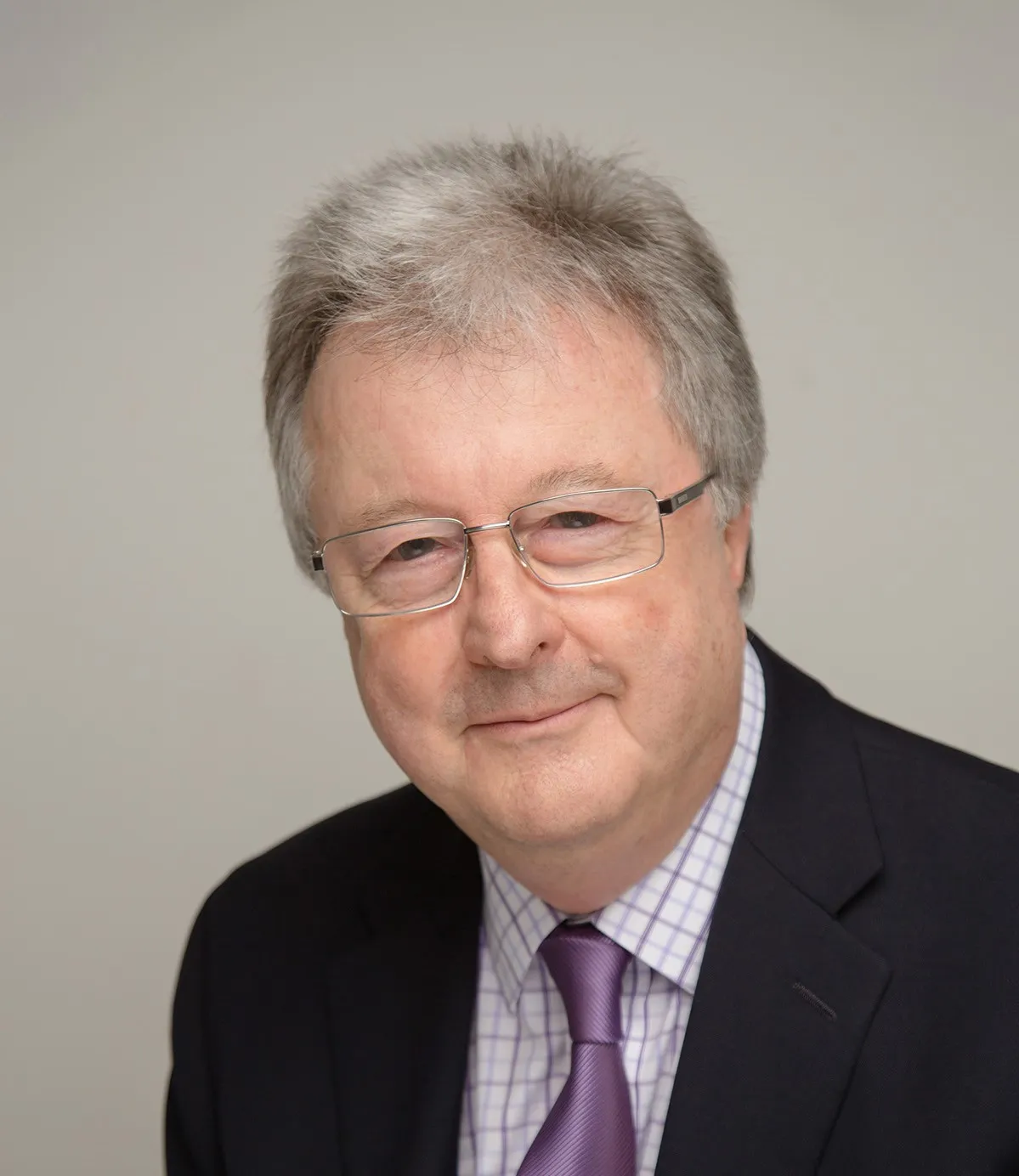
Image
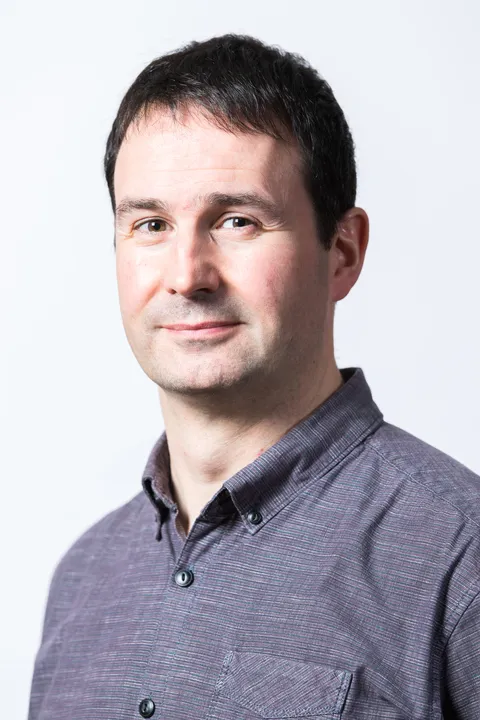
Twitter @RickyCarvel
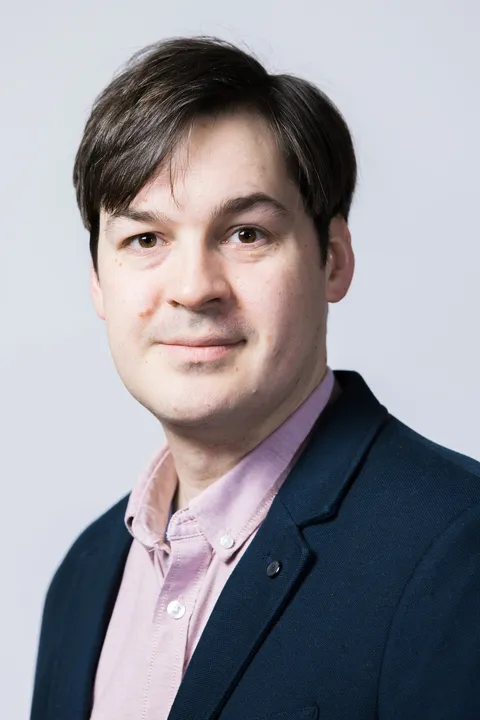
Dr Ricky Carvel is Senior Lecturer in Fire Dynamics in the Edinburgh Fire Research Centre at the University of Edinburgh, Scotland.
Originally from Edinburgh he studied at St Andrews University, obtaining a BSc (hons) in Chemistry and Physics in 1992 and an MPhil in Chemistry in 1994. Since then he has worked for the University of Aberystwyth, Heriot-Watt University, International Fire Investigators and Consultants and the University of Edinburgh.
He is editor of the ‘Handbook of Tunnel Fire Safety’ (2nd Edition, ICE Publishing, 2011) and was associate editor of Fire Safety Journal (2009-2015). He has been working in the field of fire science and tunnel fire phenomena since 1998.
His research work has focussed on the interaction between fires and ventilation (specifically tunnel ventilation systems, crosswinds and, currently, underventilated fires such as in basements and ships' holds). In 2004 he was awarded a PhD from Heriot-Watt University (Edinburgh, Scotland) for his thesis “Fire Size in Tunnels”. In addition to fire vs. ventilation research, he has also been involved into research in dust explosions, ignition, material flammability, CFD modelling and fire suppression.
As well as his teaching and research responsibilities at the University, he currently provides fire safety engineering consultancy services to a number of different companies, primarily with regards to tunnel fire safety and fire dynamics. He has authored more than 20 journal papers and more than 40 conference papers.
He was runner up in the 'best course' category at the 2018 EUSA Teaching Awards.
He currently teaches the courses "Fire Science & Fire Dynamics" and "Models for Fire Safety" to undergraduate and MSc students.
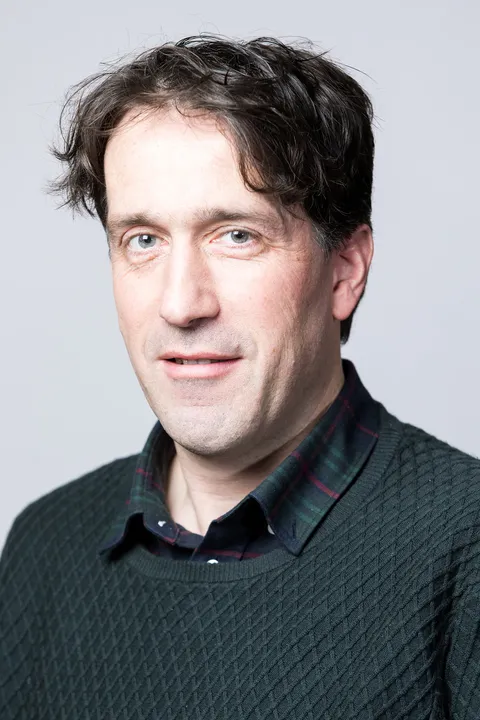
Dr Welch has a PhD in combustion and over 30 years of experience in fire research and teaching. He worked for a decade at BRE's Fire Research Station, including full-scale fire tests at BRE Cardington, before joining the BRE Centre for Fire Safety Engineering at the University of Edinburgh in 2004. His research spans a range of topics related to computational simulation of fire and structures and has had involvement as first or second supervisor of around 30 graduated PhD students and served as examiner for over 30 more (including external examiner appointments). His teaching is related to fire safety engineering practice, providing a training in engineering approaches to applied problems, with critique and analysis of relevant regulations, codes and design principles. He was Programme Director for the one-year MSc Structural and Fire Safety Engineering (SAFE) 2008-23 (120+ graduates), and is a management board member for the International Master in Fire Safety Engineering (IMFSE), since 2010 (300+ graduates). He was Discipline Programme Manager for Civil & Environmental Engineering 1/1/14-30/4/18 & 14/3-14/8/22 and is now Deputy Director of Students in the School of Engineering.
AIFireE, AIOP (Combustion Physics subgroup), IAFSS newsletter associate editor
Deputy Director of Students, School of Engineering
Management Board, International Master in Fire Safety Engineering (IMFSE)
Programme Director, Structural & Fire Safety Engineering (SAFE) MSc
Current teaching: Fire Safety Engineering 5/MSc/IMFSE (formely Current Methods in Fire Safety Engineering/Fire Safety Engineering 4) (short-listed for "Outstanding course" via 22/23 EUSA Teaching awards https://www.youtube.com/watch?v=cslN1EdULWQ) Fire Science Laboratory 5/SAFE/IMFSE, Fire Safety Engineering 3
Previous teaching: Fire Safety Engineering Design Project 5, Fire Safety Engineering Analysis and Design 5/MSc, Quantitative Methods for Fire Safety Engineering 5, Numerical Methods and Computing 2, Engineering 1, Civil Engineering 1
Room 3.08, Alexander Graham Bell building https://www.ed.ac.uk/maps/maps?building=0618
Dr Julio Bros-Williamson is a Chancellor's Fellow in Net-Zero Buildings at the School of Engineering (SoE), Institute of Infrastructure and Environment (IIE). He belongs to the Civil and Environmental Engineering Discipline, joining the school in September 2021 contributing to research, consultancy and teaching. His post is co-funded by the universities Estates department and SoE, contributing to the research and knowledge transfer of net-zero performance through building performance, in-situ envelope testing, retrofit of existing buildings and development of Living Labs and Digital Twins of specific university buildings.
Julio graduated with a PhD from Edinburgh Napier University in 2019 with a thesis that examined the impact of climate change and longitudinal envelope performance dilapidation on dwellings in Scotland. He is an architect, with 15 years of industry experience, who graduated from the School of Architecture at the Marista University in Mexico City. He holds an MSc in Energy Efficient Building (distinction) from Oxford Brookes University and obtained his professional certification in 2003 as a Chartered Architect (Mexico) accredited by the Secretaria de Educacion Publica, allowing him to become a member of the Mexican College of Architects. In 2010 he took up the role as a Director and contributing member of the Scottish Ecological Design Association (SEDA) as well as becoming its Treasurer from 2015 to 2018.
Julio is passionate about the low carbon performance of new and existing buildings, as wells as the building envelope performance and post occupancy evaluation of building users. He has experience in the implementation, optimisation and use indoor air quality sensors, in-situ building performance tools as well as digital skills using point cloud scanners (FARO) to capture interior and exterior space into a .gbxml digital format transferrable to BIM. Julio is a trained and certified Commercial Operations Pilot (drones) after undertaking a competency assessment programme. He has extensive skills in the use of dynamic thermal modelling to deliver simulations of building designs.
Membership of Professional Body
Current roles:
Previous roles:
Relevant training:
Current roles:
Previous experience:
Prof. Lindsay Beevers joined the University of Edinburgh in January 2022 as the Chair in Environmental Engineering. She is a Civil Engineer with over 20 years’ experience and is author to over 50 peer reviewed journal papers in high impact journals, and 6 book chapters.
She has worked both in industry as an engineer (Jacobs 2003-2007) as well as in academia. From 2007-2010 she worked in the Netherlands at UNESCO-IHE Institute for Water Education (now known as IHE Delft) where she was involved in education, capacity building and research projects in river systems across the world. Most of her work was focussed in Africa on the Nile and the Zambezi basins, and Asia on the Mekong river. In 2010 she joined Heriot-Watt University and in 2016 was awarded an EPSRC LWEC Challenge Fellowship to focus on Water Resilient Cities, focussing on climate change uncertainty and how we can adapt to its impacts for UK cities. In addition she was involved in research on climate change impacts to water resources across India, Sub-Saharan Africa and South America.
PhD: Civil Engineering - University of Glasgow: Morphological sustainability of estuarine barrages
M.Eng: Civil Engineering with Geology - University of Glasgow
PGCert: Academic Practice - Heriot Watt University