
Image
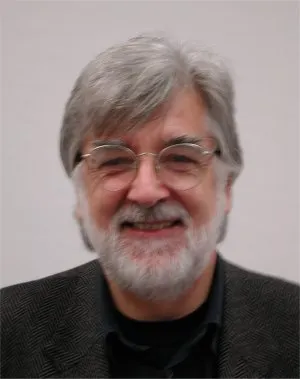
My main scientific interests are in the chemistry of materials and geomaterials used in oilfield and civil engineering, and the application of several advanced experimental methods. I have worked extensively on capillary liquid transport in porous construction materials (NMR imaging methods, measurement of transport properties and modelling of capillary flow). At present, my research activities are in experimental methods for studying reactive transport and chemomechanical processes in complex inorganic materials such as rocks and cement-based materials. Our recent work includes the development of synchrotron-based diffraction tomography, the application of scanning probe microscopy to mineral/water reactions; the hydrothermal chemistry of materials under deep borehole conditions; and analysis and chemistry in archaeology and building conservation.
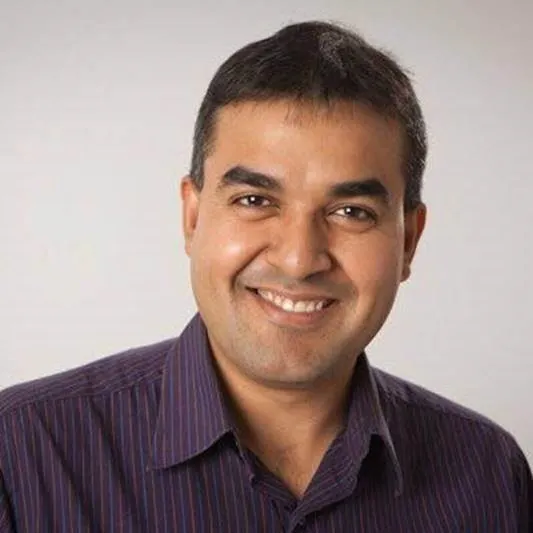
Prof Dr Bindhu Gururajan is Senior Principal Scientist (Fellow) for Formulation and Process Development and a High Performance Pharmaceutical Development Formulation Project Leader in Novartis Pharma, Basel, Switzerland. He has done his Masters in Chemical Engineering from Indian Institute of Technology Delhi and PhD in Chemical Engineering from The University of Birmingham, U.K. Later did his Post-Doctoral research in Pharmaceutical Sciences with University of Greenwich, U.K. based in Pfizer Research Center, Sandwich site on granulation process scale up and modelling. He is an Internationally recognised Pharmaceutical Granulation Expert. He has two decades of hands on practical experience in drug development and delivery by working for four major pharmaceutical company namely Merck, Pfizer, AstraZeneca and Novartis in his career. He is active senior committee member of the Particle Technology Subject Group of Institute of Chemical Engineers (IChemE). He is certified Chartered Engineer and Chartered Scientist. Fellow of Royal Society of Chemistry, Institute of Chemical Engineers and Academy of Pharmaceutical Sciences. Master Black Belt in Lean Six Sigma for quality management system.
He holds several patents for inflammation and oncology (cancer) drug product formulations and widely published in the granulation process research area. He developed the formulation and manufacturing process for two recent breast cancer product Kisqali and Piqray to improve patients life. He is currently work on late phase oncology project in particular formulation and process development by applying Chemical Engineering first principles approach.
2000 - 2004: PhD Chemical Engineering, The University of Birmingham, U.K. 1998 - 2000: MS (by Research) Chemical Engineering, Indian Institute of Technology Delhi, India 1994 - 1998: B.Tech Chemical Engineering, Sri Venkateswara College of Engineering, University of Madras, India
Memberships: CEng, CSci, FIChemE, FRSC, FAPS
AMIChemE
Research interests are centered around the development of membranes for energy applications, looking at developing polymeric and hybrid membrane materials and processes to tackle environmental challenges with both experimental and modelling tools. One of the research focuses is on efficient membranes for carbon capture.
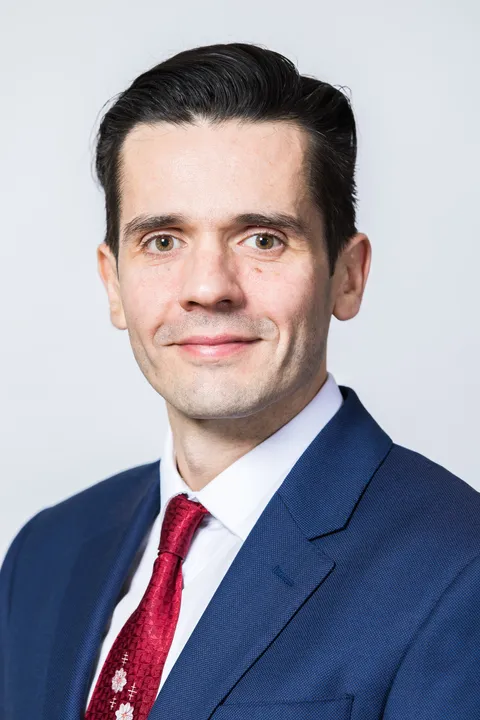
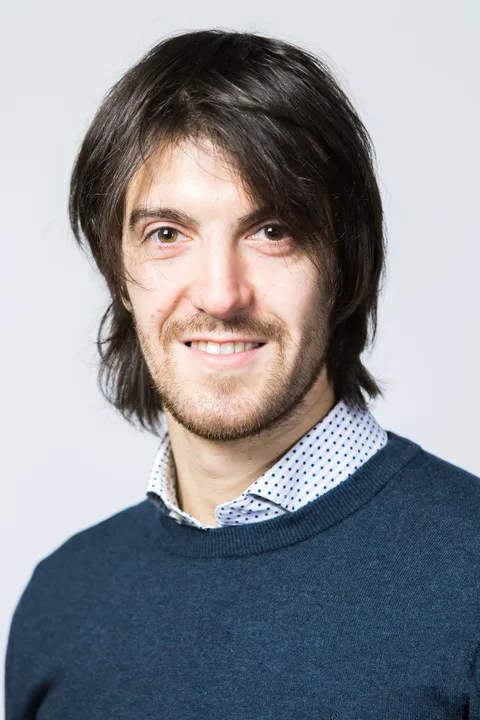
Francisco R. García-García is Senior Lecturer in Chemical Engineering and the Discipline Program Manager for Chemical Engineering at the School of Engineering, University of Edinburgh. He leads a research group working on chemical reaction engineering, which focuses on clean energy production and emission control. His research focuses on the synthesis, design, and development of multifunctional catalytic reactors, enabling the integration of multiple processes within a single system.
Francisco pioneered the use of micro-structured ceramic hollow fibres as a support for catalysts, solvents, and inorganic dense membranes. His expertise extends to the design of innovative materials for hydrogen production, emission control, and carbon capture, with an extensive publication record. His research have received support from both public and industry funding sources. Beyond his academic pursuits, Francisco actively engages in public outreach, event organization, and advocacy activities.
Holding the Teaching Training Course completion, ANECA accreditation for public and private university lecturing, and being a Fellow of the Higher Education Academy, he is qualified to teach at both undergraduate and graduate levels in any UK university. With a background in Chemistry and extensive experience in Chemical Engineering, Francisco plays a pivotal role in contributing to BEng, MEng, and MSc programs at the School of Engineering, University of Edinburgh. In recognition of his dedication, he was a runner-up for the 2021 Edinburgh University Student Association Teacher of the Year Award, with finalists chosen by a panel entirely composed of students.

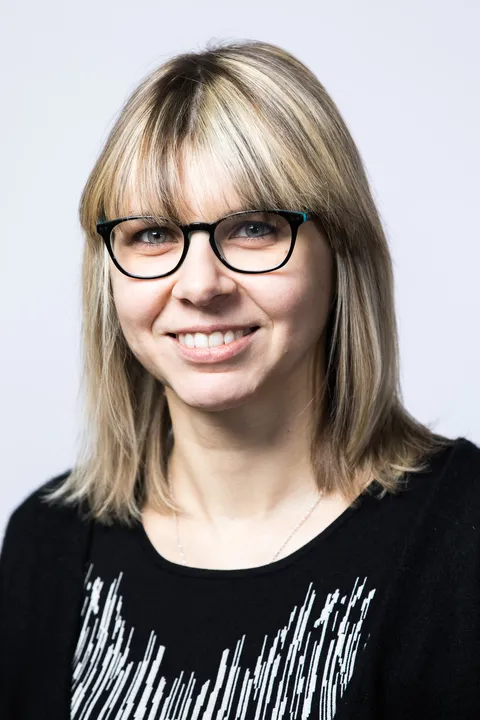
Dr Winifred (Wini) Obande is a Royal Academy of Engineering Research Fellow and Lecturer in Sustainable, Multi-functional Composites.
She leads the Circular Composites Engineering Group, focusing on the development of resource-efficient, lightweight materials. Her research embeds life-cycle thinking and life-cycle assessment (LCA) to inform the sustainable design and selection of materials and manufacturing processes. She is particularly interested in valorising waste and bio-based feedstocks as alternatives to virgin materials in composite applications. Her work includes testing for functionality and durability to benchmark the performance of these novel materials.
She serves on the SAMPE UK & Ireland Committee and is a founding member of the Edinburgh Materials Society, an IOM3-affiliated local society.
I am open to enquiries from postgraduate research students, postdoctoral researchers, visitors, and industrial collaborators
I welcome applications from self-funded candidates whose research proposals closely align with my areas of interest. Candidates may also wish to explore available University of Edinburgh Scholarships.