Infrastructure and Environment
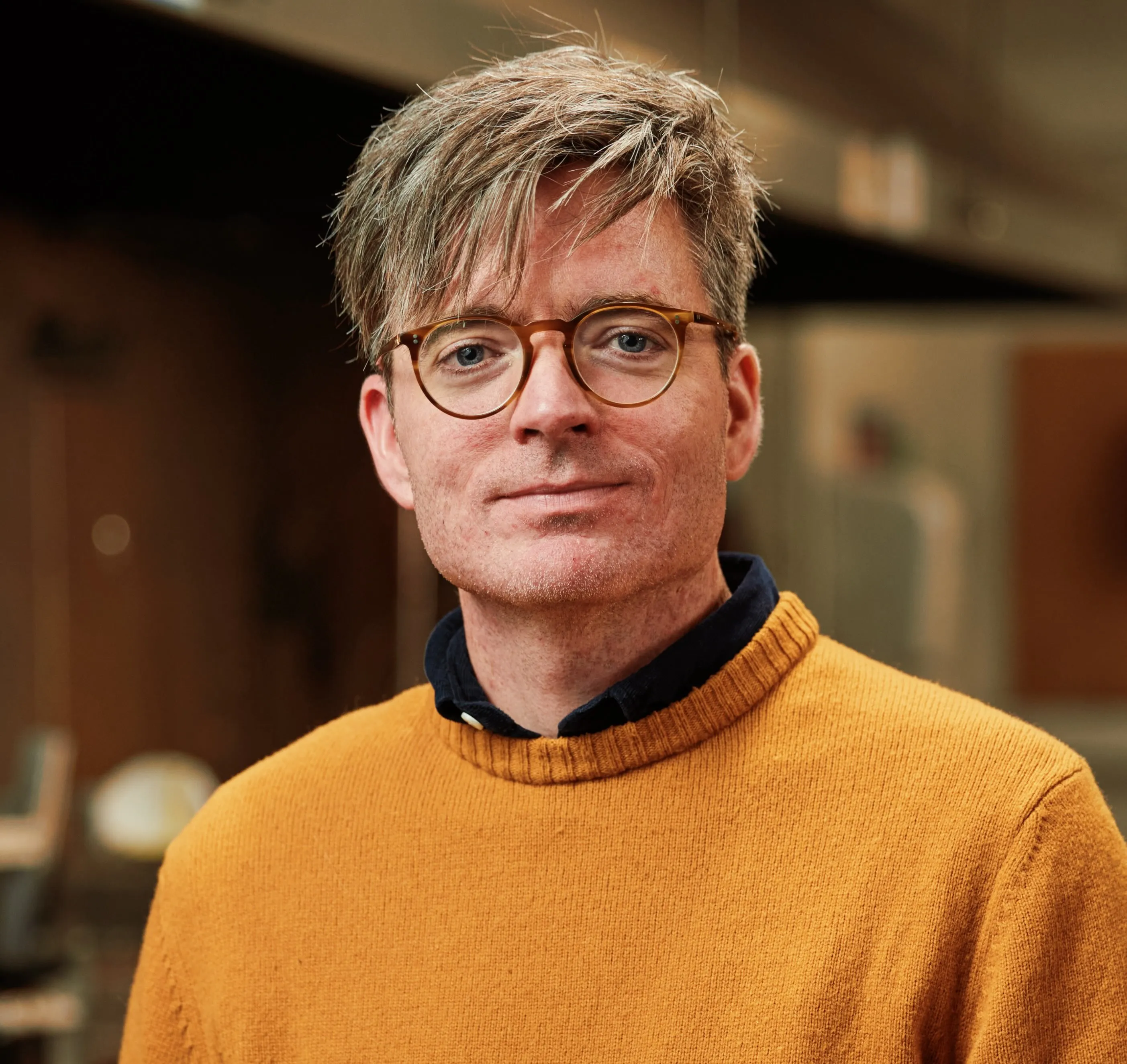
Rory Hadden holds a Personal Chair in Fire Science. Previously he was the Rushbrook Senior Lecturer in Fire Investigation. Prior to joining the University of Edinburgh he held positions at University of Western Ontario and Imperial College London.
His research interests include pyrolysis, ignition, flammability and flame spread with application to the built and natural environments. Rory specialises in experimental work ranging from laboratory scale studies to field scale measurements of fire phenomena with novel sensing methods.
PhD Engineering - University of Edinburgh - 2011
MEng (1st Class) Chemical Engineering - University of Edinburgh - 2007
CIVE09023 Fire Safety Engineering 3
CIVE10011 Fire Science and Fire Dynamics 4
PGEE11243 Fire Science Lab
- Material flammability.
- Flame spread.
- Fire emissions.
- Wildfire ignition, spread, emissions and risk assessment.
- Fire investigation.
Investigation of fires and wildfires.
I am always interested to talk to anyone with an interest in fire science, fire engineering and how we understand fires and their impacts. Feel free to get in touch.
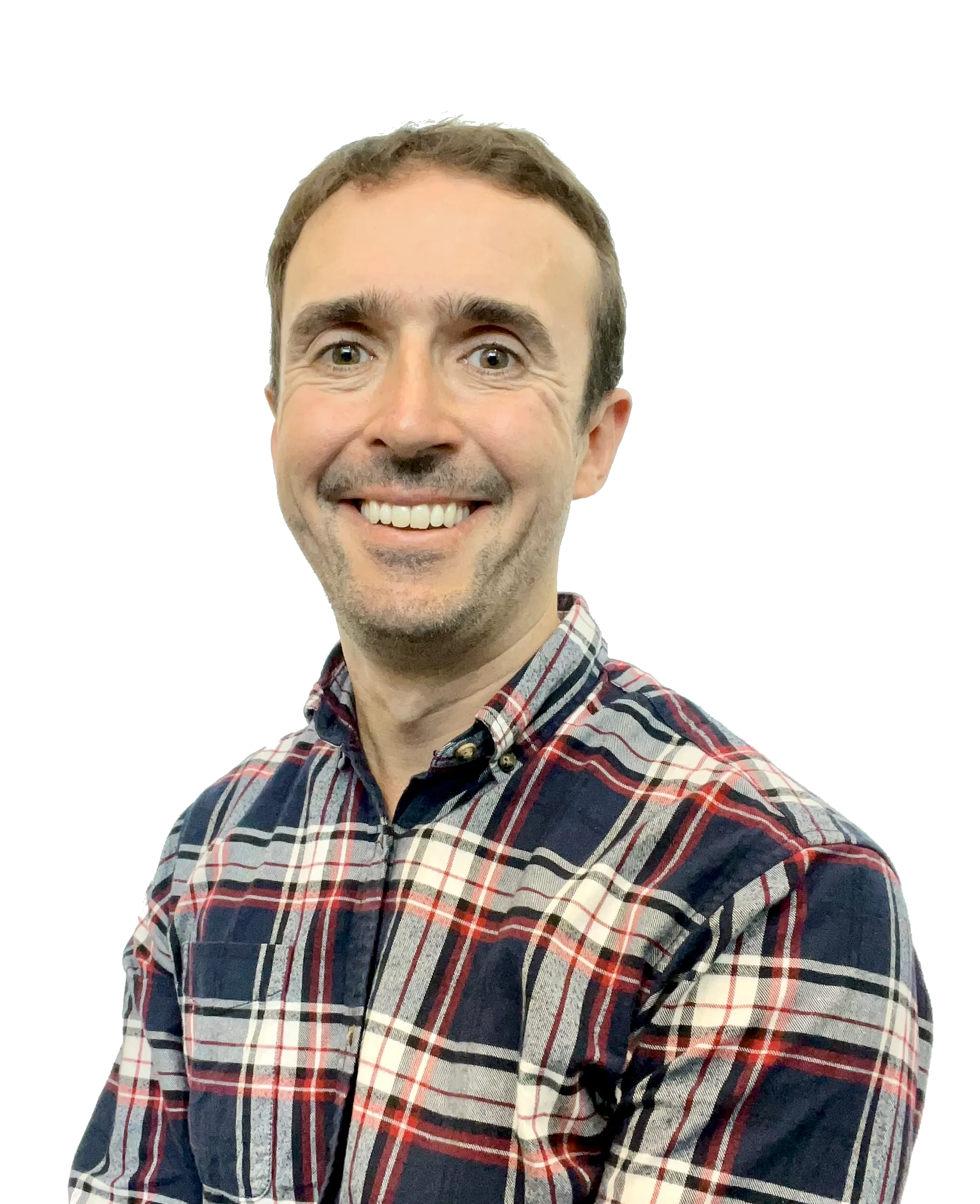
Dr Zakary Campbell-Lochrie is a Lecturer in Fire Science. He teaches in the Mechanical Engineering discipline and conducts research as part of the Institute for Infrastructure and Environmental Engineering. His research focuses on the combustion and fire behaviour of bio-based materials with a particular interest in the fundamental physical processes controlling flame spread, particularly in the context of wildland fires.
This involves theoretical and experimental work across multiple scales in both laboratory and field environments and the development and deployment of multi-scale fire science instrumentation.
- PhD - Engineering (Infrastructure & Environment), The University of Edinburgh
- MEng - Mechanical Engineering, The University of Edinburgh
Associate Fellowship of the Higher Education Academy
Principles of the Fire Laboratory 5/ Principles of the Fire Laboratory (MSc)
Mechanical Engineering 2
Electrical & Mechanical Engineering 2
Cohort Lead: 3rd Year Mechanical Engineering
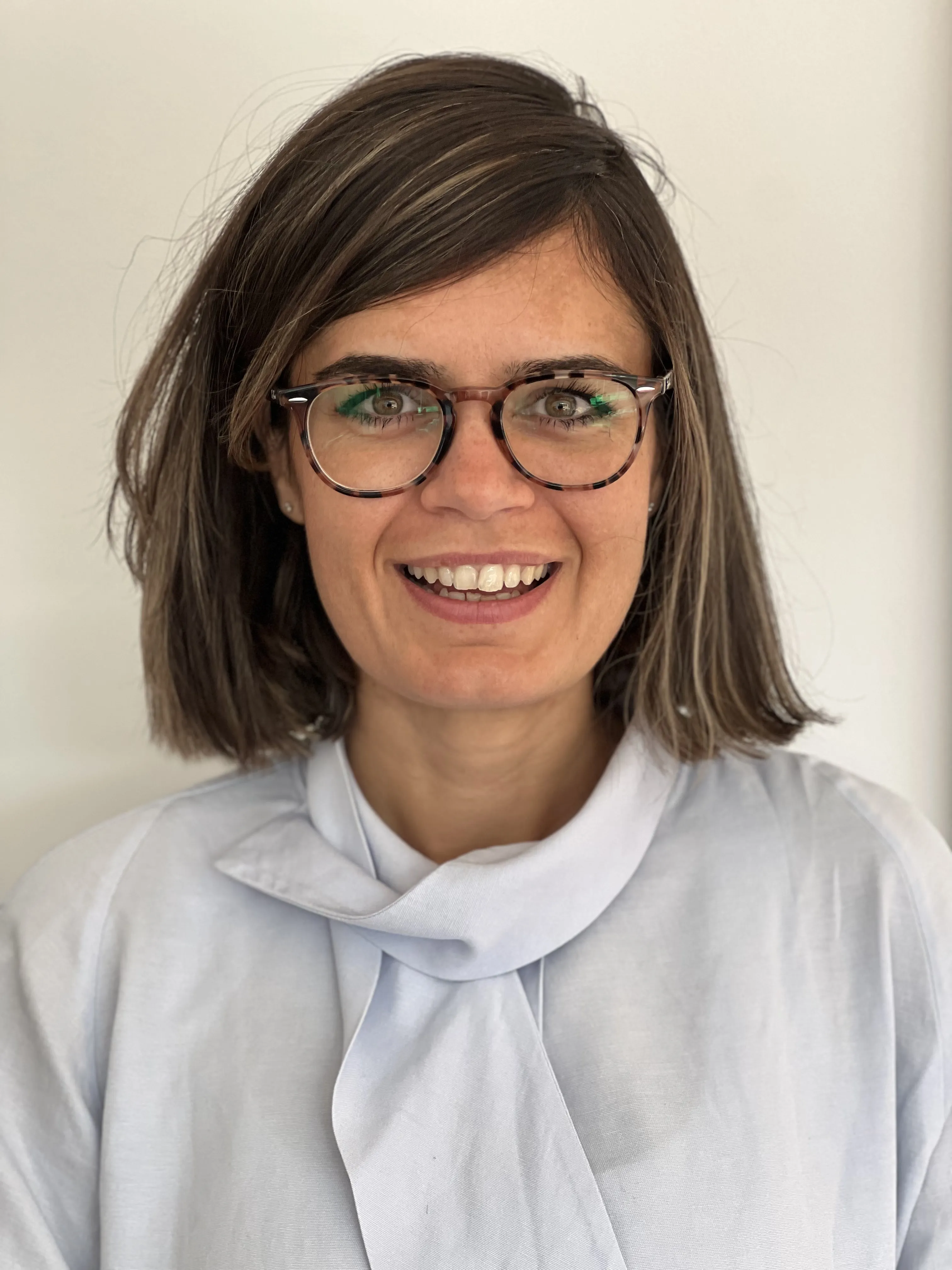
The research of Melis mainly focuses on how geostructures can contribute to the sustainability of human activities and resilience to future climate change and energy-related challenges. Her research activities span across a range of topics including in-situ and laboratory testing of soils and soil-structure interfaces in isothermal and non-isothermal conditions, as well as development of numerical tools for the analysis and design of geostructures. During her PhD at Virginia Tech (USA) and her postdoc at the Swiss Federal Institute of Technology in Lausanne (EPFL, Switzerland), she worked on Energy Geostructures Technology, which is an innovative way of using renewable energy resources by combining geothermal heat exchange and structural foundation support. Her currently research also looks at how abandoned mines can be used for exploiting shallow geothermal energy through direct heating and cooling, as well as thermal energy storage. Her PhD research received several awards by USUCGER, Geo-Institute and ADSC. For her postdoctoral contributions to EPFL, she was awarded “Recognition for Exceptional Services”. She recently received the Bright Sparkle Award 2023 from the International Society for Soil Mechanics and Geotechnical Engineering (ISSMGE). She is currently the coordinator of the Doctoral Network on Energy Geostructures Integration: Buildings, Infrastructure and Underground Storage (GENIUS-DN), which is funded by the European Union as a part of the Horizon Europe Programme, Marie Sklodowska-Curie Actions Doctoral Networks 2024 (Agreement number 101226708) https://genius-dn.eu/
- Ecole Polytechnique Federale de Lausanne - Postdoctoral Researcher - 2016-2019, Lausanne, Switzerland
- Virginia Polytechnic Institute and State University – Ph.D. in Geotechnical Engineering, August 2016, Virginia, USA
- Virginia Polytechnic Institute and State University – M.Sc. in Geotechnical Engineering, January 2012, Virginia, USA
- Bogazici University – B.Sc. in Civil Engineering, May 2010, Istanbul, Turkey
- Founding Member and Executive Board Member of the International Society for Energy Geostructures (ISEG)
- Task Force Leader for Awards of the Technical Committee on Energy Geotechnics (TC308) of International Society for Soil Mechanics and Geotechnical Engineering (ISSMGE)
- Member of the EPSRC Peer Review College
- Member of the UK Research and Innovation (UKRI) Talent Peer Review College
- Member of the International Energy Agency Working Group 14 (Geothermal Heating and Cooling Energy)
- Member of the Cost Action CA21156 - european network for FOstering Large-scale ImplementAtion of energy GEostructure (FOLIAGE)
- Advisory Board Member of the Journal of Geomechanics for Energy and the Environment
- Geotechnical Engineering 2
- Soil Mechanics 2
- Resilience to Future Climate Change and Energy Related Challenges
- Energy Geostructures
- Mine Water Geothermal Energy
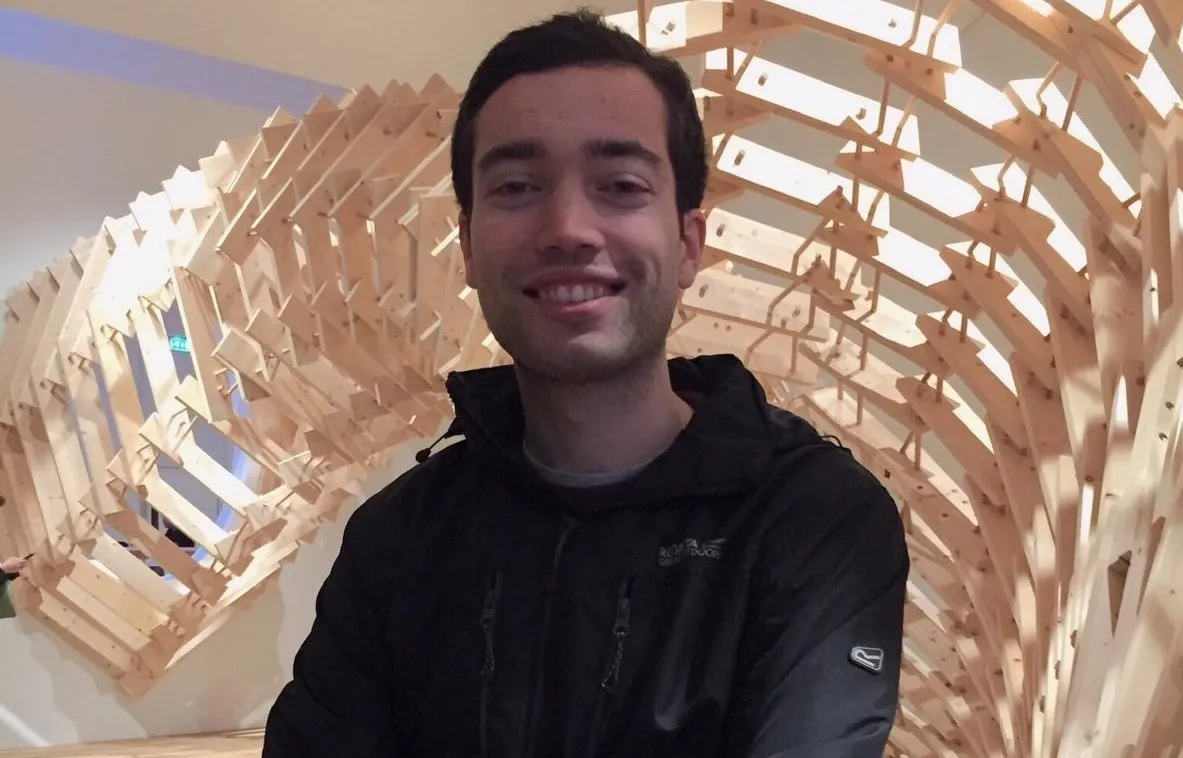
Dr Tim J. Aspinall is a Fellow at the School of Engineering, University of Edinburgh. He works in the fields of fire safety, fire science and materials science, specialising in complex defence and security environments. He holds a BSc (2016), an MSc (2017) and a PhD (2021) from the University of Portsmouth, Heriot-Watt University and the University of Edinburgh, respectively. He received an Honorary Fellowship from the University of Edinburgh in 2022. Tim has held previous posts, including a Postdoctoral Research Fellowship and a funded PhD Studentship sponsored by the UK Ministry of Defence at the University of Edinburgh. Before this, Tim worked as a Consultant Engineer for BP plc.
PhD - Fire Science and Engineering, The University of Edinburgh
Dr Pavlos Tafidis is a Lecturer in Transport (Systems) Engineering at The School of Engineering, The University of Edinburgh. His work integrates various disciplines, enhancing his comprehensive approach to transport planning and engineering. He led the "BikeHood" project, supported by the Science Foundation of Ireland, which focused on developing Ireland's first cycling neighborhood. This initiative actively engaged communities in the design process, utilizing advanced technologies such as digital twins and virtual reality.
He has been involved in numerous national and international research projects that concentrate on smart and sustainable mobility, including the "REALLOCATE" project, supported by the Horizon 2020 framework, and "CISMOB", funded by Interreg Europe. His current research is dedicated to empowering citizens by developing accessible and inclusive mobility solutions. Through his work, he aims to provide equitable transport infrastructure that enhances urban livability and ensures sustainability for all.
PhD in Transport Engineering | Hasselt University (2022)
M.Sc in Transport Planning | Aristotle University of Thessaloniki (2015)
M.Eng in Transportation | Aristotle University of Thessaloniki (2013)
Member of the Technical Chamber of Greece
Member of the Association of Transportation Engineers of Greece
(CIVE10033) Transport Engineering 3
Role: Course Organizer
Programme: BEng/MEng Civil Engineering | School of Engineering
Years: 2024–present
(EFIE11345) Transport and Society
Role: Course Organizer
Programme: MSc Future Infrastructure, Sustainability and Climate Change | Edinburgh Future Institute
Years: 2024–present
(PGEE11263) Multi-Scale Energy Demand
Role: Lecturer
Programme: MSc Sustainable Energy Systems | School of Engineering
Years: 2024–present
- PhD in Process and Chemical Engineering, University College Cork, Ireland, 2011
- BE in Process and Chemical Engineering, University College Cork, Ireland, 2008
- Chartered Member, Institution of Chemical Engineers (CEng MIChemE)
- Senior Member, American Institute of Chemical Engineers (MAIChE)
- Member, Engineers Ireland (MIEI)
- Chemical Engineering Design 3 (CHEE09015)
- Engineering Principles 1 (SCEE08012)
- Supervisor of study projects, undergraduate research projects and industry placements
My research focuses on the simulation of systems of granular materials. This has broad applicability including in both the chemical engineering (pneumatic conveyors, silos, granulators) and civil engineering (dams, sand element tests) disciplines. My research also includes improving the fidelity and performance of the simulation tools, in particular of the discrete element method (DEM).
Granular materials are ubiquitous. Around three-quarters of the raw materials used in industry are in a particulate form. Lots of economically significant, and safety-related, problems remain in handling these materials. Another example of a granular material is the soil beneath our feet; understanding the behaviour of the constituent particles has implications for ensuring the safety of structures.
The use of simulation tools such as DEM to study huge particulate systems has become increasingly viable as computational power has become cheaper. A major advantage of simulations is the ready availability of information which is difficult, if not impossible, to measure experimentally such as the forces acting on each individual particle at tiny time intervals. However, physical experiments remain essential to supplement the simulations, e.g., for calibration of model parameters and validation of any implemented model.
- Project Lead of CCC-ParaSolS: if you have an interest in simulations of granular materials and if you are based in the UK, why not join our Collaborative Computational Community in Particulate Solids Simulations?
- Our fork of LAMMPS which includes various additions of use for soil mechanics simulations is now available on GitHub as geoLAMMPS.
Research Profiles
- Discrete element method (DEM)
- Simulation of granular soil behaviour
- Attrition/wear of solid materials
- Pneumatic conveying of powders
I welcome enquiries from any prospective student with the appropriate engineering/science background who is interested in undertaking a PhD. Note that unless a project is advertised which specifies that funding is available, PhD funding would need to be secured in advance through a scholarship, sponsorship of the PhD, e.g., by industry, or self-funding.