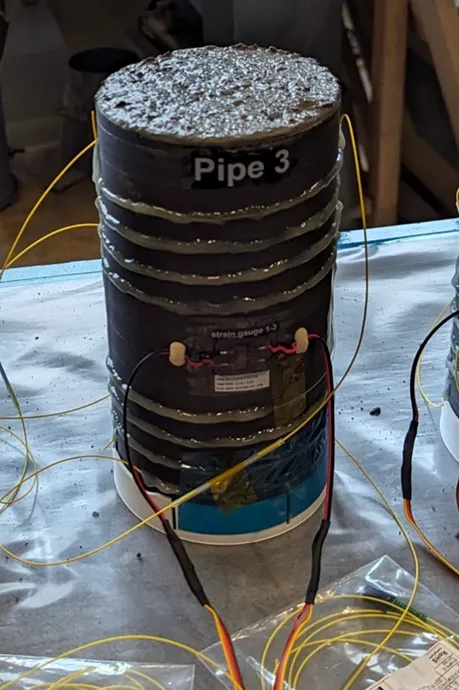
Image
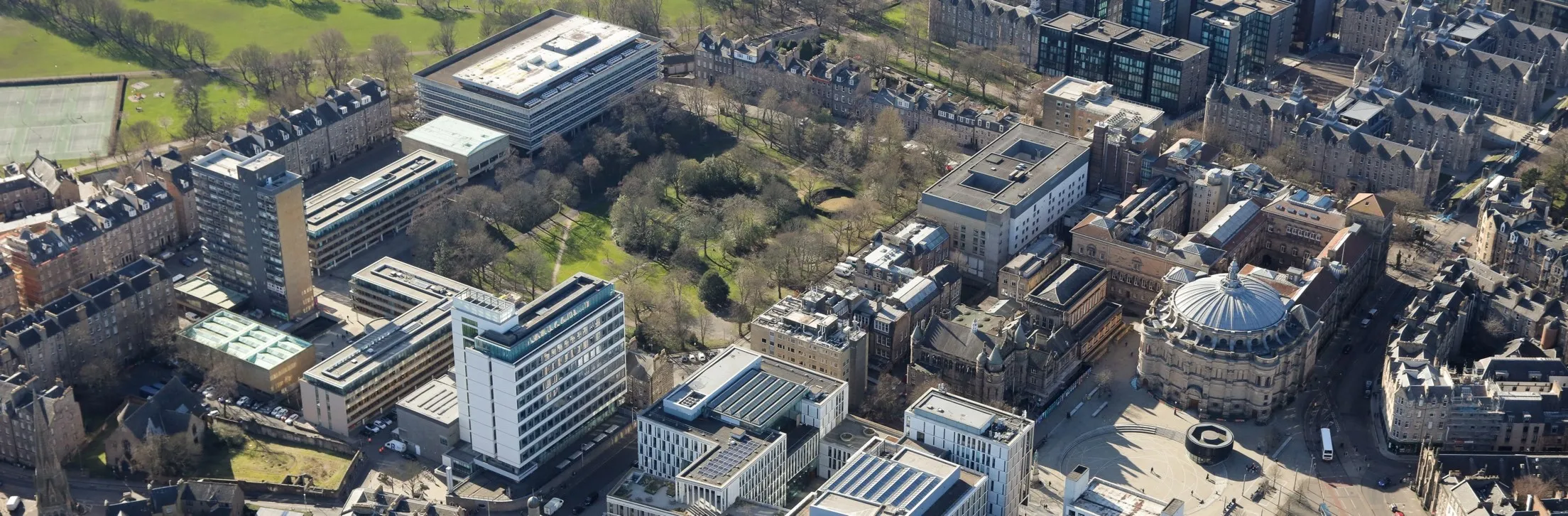
Existing buildings entail a third of the energy consumption in the world and contribute a similar share of greenhouse gas emissions. At the same time, they have been shown to have a large potential for improvement in both fronts. Just enhancing operations of what is already in place is estimated to reduce energy and operational emissions by 20% on average.
A significant area of work has focused on whole-building analysis and simulation to rigorously understand performance of existing assets. Here, building audits are combined with holistic physics-based models to improve understanding of what is built and devise ways to improve operations and devise retrofit packages. However, such an approach requires specialist knowledge and can easily become onerous given time, interrelationships of physical processes, and resources needed. In addition, it does not link well with metering and building management systems buildings have in place as they only monitor buildings partially.
This project seeks to investigate the role of progressive energy modelling to assist facility managers understand and improve the performance of existing assets. Building systems can be modelled in a wide range of ways, and it is possible to isolate components for dedicated analyses. Then, they can be extended to include further parts relevant to the system. As an example in HVAC systems, heating/cooling generation via heat pumps or boilers could be analysed with a dedicated model, aided by monitoring points typically implemented, like supply/return temperatures or partial loads. Once it is verified that the system works as expected, the model can be extended to represent further parts of the whole system, like losses in distribution systems, emitters, or links with ventilation systems.
Compared to whole-building simulation, this is a bottom-up modelling approach that conceives buildings as a jigsaw of systems that have a closer correspondence with established monitoring practices in facility management. It simplifies complexity, offers faster feedback cycles, retains meaning to explore alternative ways of operating buildings, and could be done in a way that paves the way to whole-building modelling as required.
We are seeking for applicants wishing to advance the state of the art in this area, exploring model complexity, model interoperability and influence and acceptability for facility management and decision making.
Minimum entry qualification - an Honours degree at 2:1 or above (or International equivalent) in a relevant science or engineering discipline, possibly supported by an MSc Degree. Further information on English language requirements for EU/Overseas applicants.
A background related to building performance simulation and building services engineering would be an advantage for the project. The project will require development of building simulation models, off-the-shelve and bespoke ones, and data mining: familiarity or willingness to learn programming languages like Python, Julia, or R will be essential.
This project is competing for one of the twelve studentships ring-fenced for the strategic partnership in Engineering between the University of Edinburgh and Heriot-Watt. Awards will be made on a competitive basis and there will be a first sift panel by the prospective supervisory team, and a second sift panel at school-level. Funding is offered for 3.5 years with an enhanced stipend of £21,400 (10% above the standard UKRI rate) and fees as well as £5,000 for support budget for the whole programme.
Asphalt recycling gained prominence since the 1970s, partly initiated by the oil crisis influencing the availability of bitumen as binder material. Since then, recycled and reclaimed asphalt continued to be part of the mix used in road and pavements providing a cost effective and environmentally friendly option with a potential to decarbonising the industry. Recent examples of roads using recycled asphalt include: 50% recycled asphalt was used in paving a section of M25 between junctions 25 and 26 and a section of A388 Bournemouth Spur Road, Dorset was paved using all the old road materials.
Rolled asphalt pavement comprises of different courses primarily the wearing, binder, base, subbase and capping layer. The degree of compaction determines the stiffness and strength of material along with its resistance to deformation and durability of the mixture. Compaction of the asphalt along with the binder results from the operation of the paving/construction equipment to impart systematic static, shearing and vibrational loads to achieve the required properties of each of the aforementioned course. The pavement is expected to withstand the design traffic load.
In the drive towards net zero carbon emission, there is an urgent need to significantly increase the use of the 100% recyclable Recycled Asphalt Pavement (RAP) in pavement construction. This poses significant challenges in the design and optimisation of the production and construction processes for which this current project seeks to address. For instance, is it possible to better characterise the RAP in terms of material properties to provide a more accurate initial assessment of its recycling readiness? Is it possible to match to assess, based on the RAP's material characteristics and the prevailing loading regimes, whether it would meet the required highway standards?
The aim of the project is to develop a deeper understanding of the RAP pavement construction and establish an experimentally calibrated numerical model to predict the compaction mechanics of recycled asphalt pavements during construction as well as operational period. The model will integrate the mechanics at different length scales. Experimental programme will include time-resolved (4D) X-ray tomography to capture the micromechanics of the granular assembly.
This PhD project is advertised as a part of the Edinburgh Research Partnership in Engineering, a joint partnership between the University of Edinburgh and Heriot-Watt University. The successful candidate will be supervised by a team consisting of academics from the University of Edinburgh and Heriot Watt University (HWU). The Heriot-Watt University supervisor for this project will be Dr Elma Charalampidou. Some of the experiments involving micro x-ray CT system will be undertaken at HWU.
The selection process is in two phases:
Stage 1: Interested candidates should contact Dr Amer Syed at Amer.Syed@ed.ac.uk by 7 February 2025 with their CV and a covering email. Potential candidates will be invited to an interview. Selected candidate will progress to Stage 2.
Stage 2: Selected candidate will complete a formal application to the University of Edinburgh by 12 February 2025. This application will be assessed by a panel for funding. Please note that this studentship attracts enhanced stipend, while the exact details yet to be finalised, for 2024, it was £21,400 per annum.
Home and overseas students are encouraged to apply.
The University of Edinburgh is committed to equality of opportunity for all its staff and students, and promotes a culture of inclusivity. Please see details here: https://www.ed.ac.uk/equality-diversity
Minimum entry qualification - an Honours degree at 2:1 or above (or International equivalent) in a relevant science or engineering discipline, possibly supported by an MSc Degree. Further information on English language requirements for EU/Overseas applicants.
Tuition fees + stipend are available for Home/EU and International students.
From sandcastles to powder metallurgy, granular materials are ubiquitous in engineering and natural environment. Understanding their behaviour under a range of loading conditions is essential in ensuring the structural integrity of the granular system e.g., landslides, chemical/pharmaceutical applications such as compacted tablets, food processing etc.
The mechanical response of a granular assembly depends on the interaction of the individual grains. In most of the natural and engineering systems, this interaction is further complicated by the presence of fluids and temperature gradient resulting in convective mass transport. The thermomechanical behaviour of the granular assembly depends on the temperature/concentration gradient, viscosity of the fluid, variation in fluid saturation, compressibility of the fluid etc. The presence of fluid would also influence the relative motion of the particles, especially in case of particles with varying size and shapes, and directly contribute to the nature of compaction and flow of the granular assembly.
The aim of the project is to develop a deeper understanding of the mechanics of granular assemblies subjected to convective mass transport and to formulate a multiscale multiphysics model to predict the thermomechanical behaviour of granular assemblies. The model will be developed and calibrated using high quality experimental data acquired at multiple length scales. Custom designed experiments will be conducted in an x-ray CT environment to study the micromechanics of the underlying processes using time resolved x-ray tomography (in 4D).
There are four application areas for this project and the successful candidate would be able to select one of these areas.
Geological/geophysical application: Geothermal systems, particularly Enhanced Geothermal Systems where the energy from underground hot rock/fractured rock is used to generate electricity.
Steel production: Porous coke in the granular assembly of the blast furnace charge provides energy, heat and gas required to reduce the iron ore. Improved design of the granular assembly has potential to minimise the CO2 emission in the steel making process.
Recycled Asphalt Pavements: Reclaimed and recycled asphalt are used in road pavements providing a cost effective and environmentally friendly option with a potential in decarbonising the industry.
Powder bed fusion, a metal additive manufacturing technique: The nature of granular assembly of metal powder bed informs the quality of the finished product.
This PhD project is advertised as a part of the Edinburgh Research Partnership in Engineering, a joint partnership between the University of Edinburgh and Heriot-Watt University. The successful candidate will be supervised by a team consisting of academics from the University of Edinburgh and Heriot Watt University (HWU). The Heriot-Watt University supervisor for this project will be Dr Elma Charalampidou. Some of the experiments involving micro x-ray CT system will be undertaken at HWU.
The selection process is in two phases:
Stage 1: Interested candidates should contact Dr Amer Syed at Amer.Syed@ed.ac.uk by 7 February 2025 with their CV and a covering email. Potential candidates will be invited to an interview. Selected candidate will progress to Stage 2.
Stage 2: Selected candidate will complete a formal application to the University of Edinburgh by 12 February 2025. This application will be assessed by a panel for funding. Please note that this studentship attracts enhanced stipend, while the exact details are yet to be finalised, for 2024, it was £21,400 per annum.
Home and overseas students are encouraged to apply.
The University of Edinburgh is committed to equality of opportunity for all its staff and students, and promotes a culture of inclusivity. Please see details here: https://www.ed.ac.uk/equality-diversity
Minimum entry qualification - an Honours degree at 2:1 or above (or International equivalent) in a relevant science or engineering discipline, possibly supported by an MSc Degree. Further information on English language requirements for EU/Overseas applicants.
Tuition fees + stipend are available for Home/EU and International students.
In the context of long-term monitoring applications, there are numerous structural states that exhibit similar behavior but cannot be generalized with a single model (whether data- or physics-based) due to the inherent time-variant nature of structural evolution. Addressing such scenarios necessitates methodologies with adaptable models that can capture the interdependencies between Environmental and Operational Variabilities (EOV) and Damage Sensitivity Features (DSF) at various stages of structural evolution. The challenge lies in determining when distinct structures can be considered pseudo-similar, thereby sharing the same underlying physical properties to better represent the dynamics and associated EOV dependencies. Similarly, the incorporation of physics-based models, with varying levels of fidelity, adds knowledge towards understanding structural changes, which is essential for incorporating interpretable constraints on DSF evolution.
In practice, there are two main Challenges: (i) Robust extraction of DSF for continuous monitoring which are insensitive to EOVs. These DSF should be interpretable during the entire evolution of the structural performance, and they should be able to accommodate dimensionality and complexity reduction of their associated non-linear time-variant nature. (ii) And there is a need of developing measures to quantify and propagate uncertainty towards the estimation of future stages of the structure evolution.
This project is supervised by Dr David Garcia Cava (School of Engineering, University of Edinburgh). It will involve regular interaction with collaborators from academia and industry. Interested candidates may contact the supervisor for further information (david.garcia@ed.ac.uk).
Personal website: https://dgarciacava.github.io/
This advert might close once a suitable candidate is found. Please apply as soon as possible to avoid disappointment.
References
The University of Edinburgh is committed to equality of opportunity for all its staff and students, and promotes a culture of inclusivity: https://www.ed.ac.uk/equality-diversity
Minimum entry qualification - an Honours degree at 2:1 or above (or International equivalent) in a relevant science or engineering discipline, possibly supported by an MSc Degree.
Applications are particularly welcome from candidates expecting to receive a first-class degree in mechanical engineering, physics, applied mathematics or a closely related subject.
Interests on: Structural mechanics and dynamics, Stochastic modelling and uncertainty quantification, understanding environmental and operational variabilities and their impact in structures and structures for renewable energy is particularly welcome.
Further information on English language requirements for EU/Overseas applicants.
Applications are welcomed from self-funded students, or students who are applying for scholarships from the University of Edinburgh or elsewhere.
Competition (EPSRC) funding may be available for an exceptional candidate but please note you must be a UK student or an EU student who has pre-settled/settled status and has lived in the UK for at least 3 years.
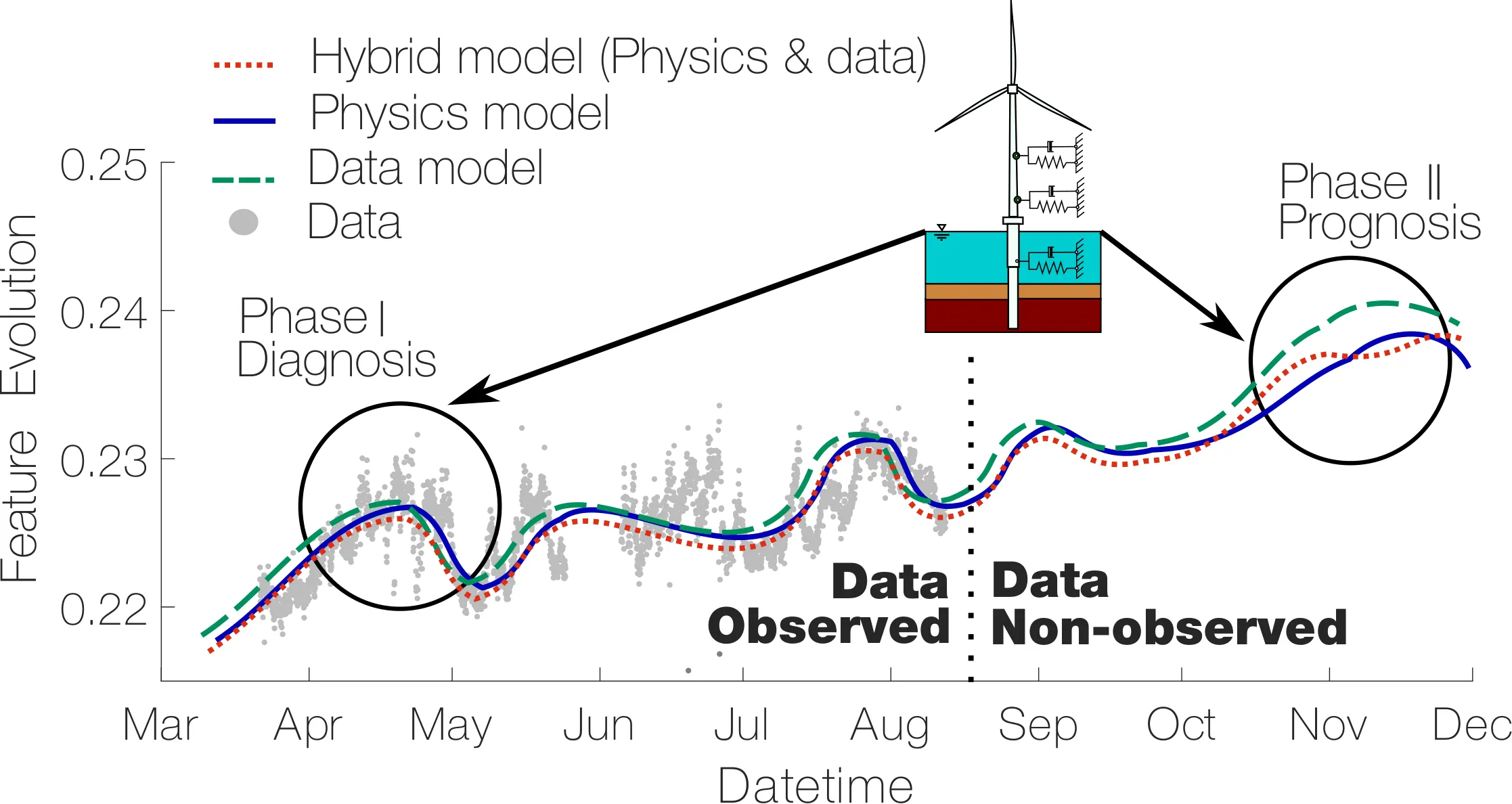
Unreinforced masonry (URM) load-bearing walls were commonly used in historic buildings but are weak in shear and vulnerable to cracking and damage during seismic events. Structural engineers often need to study and design solutions to improve the structural response of shear walls. To strengthen them, mortar coatings reinforced with composite (carbon, glass, basalt, etc.) grids are used to enhance their lateral load-caring capacity, ductility, and stiffness. This grid is typically applied on both sides of the shear walls to form a sandwich structure, with the masonry material in the middle and the grid-reinforced coatings to act as thin-but-stiff skins. Anchors between the “skins” are crucial in establishing mechanical bonds and providing strength between the reinforcing material and the URM wall, frequently complemented by chemical bonding. This integrated system ensures the capability to withstand various loads until it attains its ultimate load capacity.
Incorrect placement of the anchor can hinder the desired composite behaviour of the URM wall, leading to premature failure. The location and size of each anchor hole are crucial, as multiple anchor holes are required to secure the reinforcing material throughout the wall effectively. Effective coordination and integration of these elements are essential for achieving the best results. Choosing the proper layout is vital, as an incorrect choice could lead to early wall failure.
This project aims to identify the factors that influence the behaviour of URM walls strengthened with anchors and to evaluate the effectiveness of different anchor layouts in improving the strength and ductility of URM walls. The results of this study will be used to develop design guidelines for placing anchors in URM walls.
Research Aims:
• To identify the factors that influence the behaviour of unreinforced masonry (URM) walls strengthened with composited grids and anchors using numerical simulations.
• To evaluate the effectiveness of different anchor layouts in improving the strength and ductility of strengthened URM walls using numerical simulations.
• To develop a comprehensive methodology for optimizing anchor placement in URM walls, combining systematic numerical simulations with empirical laboratory data, aiming to establish a robust, evidence-based approach for enhancing seismic reinforcement in Unreinforced Masonry structures.
Methodology:
The project will initiate with a targeted literature review to identify critical factors influencing the reinforcement of URM walls with anchors. This sets the foundation for the research's analytical component. The study will primarily employ finite element modeling (FEM) and simulation, utilizing existing experimental data for model validation. A key focus will be on assessing different anchor layouts to enhance the strength and ductility of URM walls.
Complementing the simulations, experimental tests will be conducted to generate new data and validate simulation results. These tests aim to evaluate the effectiveness of various anchor layouts in real-world scenarios. Non-destructive evaluation techniques will be integrated into these tests to monitor damage progression and understand failure mechanisms.
The combination of simulation and experimental findings will lead to the development of practical design guidelines for effective anchor placement in URM wall reinforcement, contributing valuable insights for structural engineering in seismic areas.
The University of Edinburgh is committed to equality of opportunity for all its staff and students, and promotes a culture of inclusivity. Please see details here: https://www.ed.ac.uk/equality-diversity
Applicants should hold an Honours degree (2:1 or above) or its international equivalent in Civil or Structural Engineering, Materials Science, or a related discipline, with a Master's degree being advantageous. Key to this role is a robust understanding of structural engineering principles, particularly as they pertain to masonry structures and the use of composite materials in structural reinforcement.
Candidates must demonstrate strong research capabilities, including literature review, methodology development, and data interpretation.
Minimum entry qualification - an Honours degree at 2:1 or above (or International equivalent) in a relevant science or engineering discipline, possibly supported by an MSc Degree. Further information on English language requirements for EU/Overseas applicants.
Applications are welcomed from self-funded students, or students who are applying for scholarships from the University of Edinburgh or elsewhere.
A plastic wear model for ductile materials was recently developed within the supervisor’s group, based on the discrete element method (DEM). An initial model developed for flat
surfaces [1] has since been extended to arbitrarily shaped closed surfaces representing abradable particles. Each particle is essentially a multi-sphere clump in which the non-interacting constituent spheres are arranged to form a hollow shell. A constituent sphere is displaced in the direction of the local normal to the surface once a material yield criterion has been met. This has been implemented in a fork of the open-source LAMMPS [2] code.
This implementation, which enables one form of permanent change of a particle’s shape, can be extended to another: plastic deformation. Even in dense sheared granular systems, the contact network is constantly changing, i.e., interparticle contacts are highly transient [3]. This raises the question of whether elasto-plastic contact models, e.g., [4-5], which retain no memory of plastic deformation once a contact has been lost in the simulation, are suitable for all scenarios.
This project will initially extend the simulation framework developed for particle abrasion to capture plastic deformation. This framework will then be applied to explore the role of plasticity in granular systems, and assess the scenarios in which simpler elasto-plastic contact models can give acceptable results.
Informal queries from potential applicants can be directed to Dr Kevin Hanley (k.hanley@ed.ac.uk).
References
[1] Capozza, R. & Hanley, K.J. (2022): A comprehensive model of plastic wear based on the discrete element method. Powder Technology, 410, 117864
[2] Thompson, A.P. et al. (2022): LAMMPS - a flexible simulation tool for particle-based materials modeling at the atomic, meso, and continuum scales. Computer Physics Communications, 271, 108171
[3] Hanley, K.J., Huang, X., O’Sullivan, C. & Kwok, F. C.-Y. (2014): Temporal variation of contact networks in granular materials. Granular Matter, 16, 41–54
[4] Luding, S. (2008): Cohesive, frictional powders: contact models for tension. Granular Matter, 10, 235–246
[5] Thakur, S.C., Morrissey, J.P., Sun, J., Chen, J.F. & Ooi, J.Y. (2014): Micromechanical analysis of cohesive granular materials using the discrete element method with an adhesive elasto-plastic contact model. Granular Matter, 16, 383–400
The University of Edinburgh is committed to equality of opportunity for all its staff and students, and promotes a culture of inclusivity. Please see details here: https://www.ed.ac.uk/equality-diversity
Minimum entry qualification - an Honours degree at 2:1 or above (or International equivalent) in a relevant science or engineering discipline, possibly supported by an MSc Degree. Further information on English language requirements for EU/Overseas applicants.
Applications are welcomed from self-funded students, or students who are applying for scholarships from the University of Edinburgh or elsewhere.
Membrane fouling – the deposition of organic and inorganic matter on the membrane surface – is a major technical obstacle affecting membrane-based water treatment processes. Fouling results in decreased membrane permeance, selectivity, and shorter useful life due to irreversible fouling. Despite significant efforts to mitigate fouling through, e.g., low-fouling membrane coatings, fouling is inevitable due to the high convective fluxes driving foulants to the membrane surface. Consequently, physical and chemical cleaning strategies, known collectively as cleaning-in-place (CiP) protocols, are indispensable to ensure the sustainable use of membrane technology in water treatment.
Most CiP formulations entail proprietary mixtures of buffered surfactants and chelants that dissolve organic foulants and disperse colloidal metal-organic complexes. Application of CiP solutions often follows manufacturer-specified cleaning conditions, including cross-flow velocity, duration and frequency of cleaning cycles. Such operating conditions, however, are not optimised for specific feed water and foulant chemistries. Moreover, the important influence of CiP solution temperature is often neglected. Solution temperature plays a key role in membrane cleaning, as the interactions responsible for foulant adhesion to the membrane become weaker with rising temperature1. However, the role of temperature in CiP has not been studied systematically. Incomplete knowledge about the influence of operating conditions has hindered development of efficient CiP protocols.
This PhD project will formulate tailored CiP strategies for membranes in Scottish Water (SW) treatment plants. The overarching goal is twofold: i) to identify the CiP temperature resulting in optimal membrane performance; ii) to identify CiP formulations (or mixtures thereof) suitable for application at ambient feed water temperatures (i.e., in cold water). Considering that CiP at SW membrane plants is often carried out at ambient water temperature (Tamb = 10 °C or lower), we anticipate significant improvements in cleaning efficiency if CiP were carried out at slightly higher temperatures. The cost of CiP operations at above-ambient temperatures will be weighed against the improvement in process performance (stemming from mitigated fouling) by a technoeconomic analysis. Lastly, we will perform a life cycle assessment of CiP protocols to identify CiP candidates meeting SW’s sustainability goals.
Training and mentoring
This project offers a unique training opportunity in the fundamentals of colloid and interface science, as well as membrane-based processes for water quality control. The student will be mentored by a supervisory team with complementary expertise, who will provide training in a wide variety of experimental techniques. In addition, the student will acquire industrial experience through a placement at a Scottish Water membrane plant.
References
(1) BinAhmed, S.; Hozalski, R. M.; Romero-Vargas Castrillón, S. Feed Temperature Effects on Organic Fouling of Reverse Osmosis Membranes: Competition of Interfacial and Transport Properties. ACS ES&T Eng. 2021, 1 (3), 591–602. https://doi.org/10.1021/acsestengg.0c00258.
(2) Porcelli, N.; Judd, S. Chemical Cleaning of Potable Water Membranes: The Cost Benefit of Optimisation. Water Res. 2010, 44 (5), 1389–1398. https://doi.org/10.1016/j.watres.2009.11.020.
Please note that applications will be reviewed on a continuing basis until the position is filled. Thus, the advert might close for applications before the closing date.
Further information about the supervisor (Dr S Romero-Vargas):
https://www.research.ed.ac.uk/en/persons/santiago-romero-vargas-castrillon
Further information about the co-supervisor (Prof A Lips):
https://www.edinburghcomplexfluids.com/people/individual/alex-lips
The University of Edinburgh is committed to equality of opportunity for all its staff and students, and promotes a culture of inclusivity. Please see details here: https://www.ed.ac.uk/equality-diversity
This is a challenging and ambitious project, requiring a student who is dedicated and enthusiastic about asking, and tackling, fundamental and applied problems. The successful applicant will have been awarded an undergraduate degree at the time of appointment (1st Class or high 2:1, preferably supported by an MSc) in chemical engineering, chemistry, materials science, physics, environmental engineering, or a cognate field. Strong background in physical sciences is required, along with excellent oral and written communication skills in English. Prior research experience in colloid & interface science is highly desirable. While the project is primarily experimental, good or strong quantitative skills are also highly desirable.
Further information on English language requirements for EU/Overseas applicants.
Applications are welcomed from self-funded students, or students who are applying for scholarships from the University of Edinburgh or elsewhere, as explained below.
PhD studentships managed by the School of Engineering at the University of Edinburgh are available every year through a competitive process.
Applicants interested in applying for a University-administered award should e-mail the supervisors (Santiago@ed.ac.uk, alips@ed.ac.uk) as soon as possible to begin discussions, explaining how your experience meets the Applicant Requirements given above. Application deadlines vary from mid-January to late March.
Please note that most studentships are available only to Home Students (International students not eligible).
To qualify as a Home student, you must fulfil one of the following criteria:
- You are a UK student
- You are an EU student with settled/pre-settled status who also has 3 years residency in the UK/EEA/Gibraltar/Switzerland immediately before the start of your Programme.
Pressing fire safety challenges exist in both the built and natural environment with climate change effects leading to increased extreme weather events in many regions increasing wildfire risk. Similarly, sustainable development efforts are one of the drivers of increased adoption of bio-based, sustainable construction materials some of which may also introduce novel fire hazards. This PhD position provides the opportunity to contribute to ongoing efforts at the Edinburgh Fire Research Centre to apply fundamental principles of physics, chemistry and engineering to characterize the combustion behaviour of wildland vegetation and bio-based materials.
This PhD position would suit motivated candidates from a wide range of academic backgrounds (e.g. Applied Science/Maths/Physics, Engineering, Geosciences etc.) who are interested in applying their existing skillset to problems in fire science, fire engineering and/or wildland fire science.
The project will include the opportunity to gain expertise in the development and use of a variety of established and novel measurement instrumentation to monitor and characterize the variation in structure of a fuel as it burns. For example, utilizing established methods to quantify the spatial and temporal variation of solid fuel temperatures (e.g. colour pyrometry) and burning rate (continuous mass loss measurements). Alongside developing novel approaches to characterising and quantifying the variation in fuel structure (volume, geometry) and the resulting influence on linked physical properties (e.g. drag force, radiative absorption).
The results obtained will be used to support the development of improved fire behaviour modelling tools and to improve our existing theoretical descriptions of fire spread in porous fuels. This in turn, will support ongoing global efforts to develop improved decision support tools to aid land managers and fire agencies in developing land management and fire management strategies in the natural environment, and to support fire safety engineering design efforts in the built environment.
During this project, you will be part of The Edinburgh Fire Research Centre within the Institute for Infrastructure and Environment. You will join a vibrant community of PhD students, postdoctoral research associates and academics working in various aspects of fire science and engineering. This is a collaborative and friendly environment and strong teamwork and communication skills are therefore required.
More information on the Edinburgh Fire Research Centre - http://www.fire.eng.ed.ac.uk/research
Examples of the effects of fuel structure on combustion behaviour in wildland fires: https://www.youtube.com/watch?v=LPqXRsMbz18&t=387s
Existing Wildfire Research projects at The University of Edinburgh in collaboration with the USDA Forest Service & partners. https://www.youtube.com/watch?v=sEO_8oXtbes&t=4s
The University of Edinburgh is committed to equality of opportunity for all its staff and students, and promotes a culture of inclusivity. Please see details here: https://www.ed.ac.uk/equality-diversity
Minimum entry qualification - an Honours degree at 2:1 or above (or International equivalent) in a relevant science or engineering discipline, possibly supported by an MSc Degree. Further information on English language requirements for EU/Overseas applicants.
Tuition fees + stipend are available for Home/EU and International students
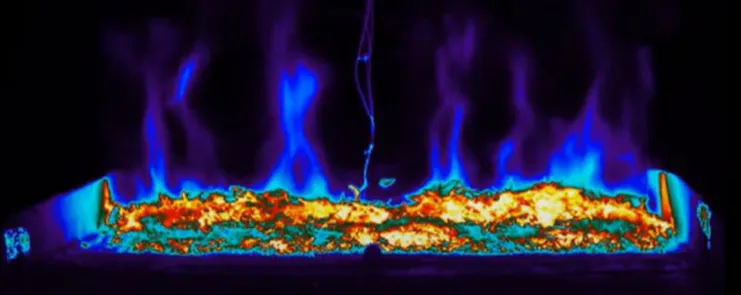
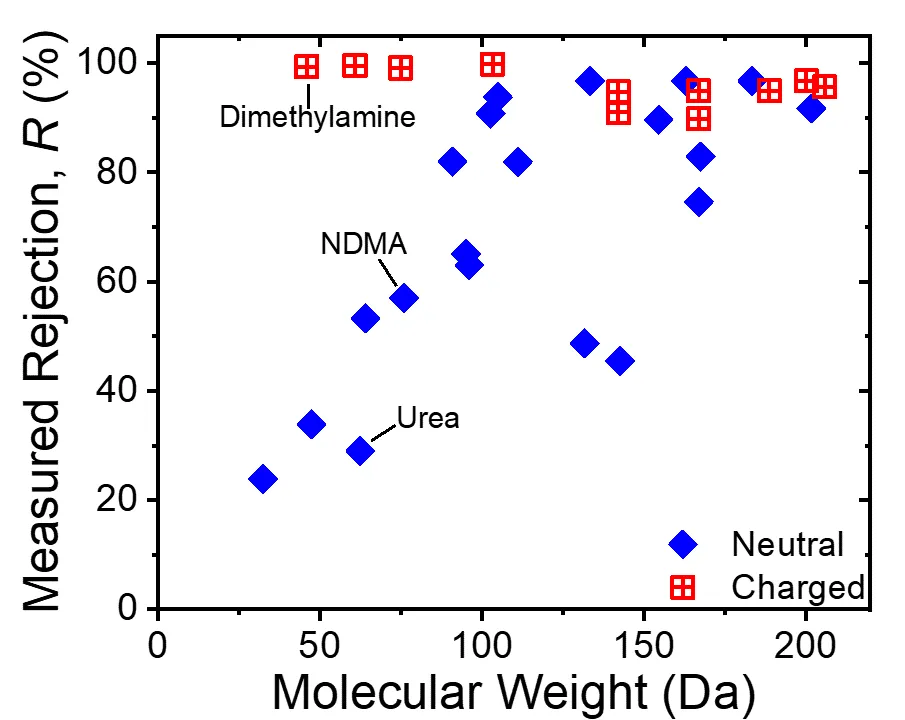
Membrane-based processes for water treatment, such as reverse osmosis (RO), hold promise in tackling water scarcity locally and globally. Nevertheless, conventional polyamide membranes for RO exhibit low rejection of Small, charge-Neutral Contaminants (SNCs), which endanger human health and biota.
Progress towards highly selective membranes has been hindered by insufficient understanding of the mechanisms that underlie separation efficiency: how water and contaminants sorb into, and diffuse through, polyamide membranes. Both contaminant sorption and transport require a molecular-level treatment, at far higher resolution than is afforded by conventional (continuum) membrane transport models.
Using molecular dynamics (MD) simulation and free energy calculations, this project aims to computationally design highly selective RO membranes by elucidating the mechanisms governing SNC sorption and transport. The project will focus on SNCs that are insufficiently rejected by state-of-the art RO membranes, e.g., boric acid, a toxic constituent of seawater, and N-nitrosodimethylamine (NDMA), a carcinogenic disinfection by-product whose insufficient removal during RO-based wastewater reuse (rejection ~ 60%) demands additional, and costly, advanced oxidation processes (e.g., high-energy UV).
The specific objectives of this project are:
Simulation insights emerging from this project will enable membrane manufacturers to develop highly selective RO membranes. These materials will lower the cost of seawater desalination and wastewater recycling by RO, in addition to producing safer product water for humans and ecosystems.
Research and Training
The successful applicant will conduct research in the School of Engineering at the University of Edinburgh, under the co-supervision of Dr Santiago Romero-Vargas Castrillón and Dr Rohit Pillai. The student will have access to a wide range of computational facilities, including ARCHER2, the UK’s national supercomputer. Educational and research opportunities afforded by this project include:
The University of Edinburgh is committed to equality of opportunity for all its staff and students, and promotes a culture of inclusivity. Please see details here: https://www.ed.ac.uk/equality-diversity
This is a challenging and scientifically ambitious project, requiring a student who is dedicated and enthusiastic about asking, and tackling, fundamental questions. The successful applicant will have been awarded an undergraduate degree at the time of appointment (2:1 or above, preferably supported by an MSc) in chemical engineering, mechanical engineering, chemistry, physics, materials science, or a cognate field. A strong background in mathematics and physics is required, as well as interest in molecular simulation. Prior research experience in modeling and simulation is highly desirable.
Further information on English language requirements for EU/Overseas applicants.
Applications are welcomed from self-funded students, or students who are applying for scholarships from the University of Edinburgh or elsewhere, as explained below.
PhD studentships managed by the School of Engineering at the University of Edinburgh are available every year through a competitive process.
Applicants interested in applying for a University-administered award should e-mail the supervisors (Santiago@ed.ac.uk, R.Pillai@ed.ac.uk) as soon as possible to begin discussions, explaining how your experience meets the Applicant Requirements given above. Application deadlines vary from mid-January to late March.
Please note that most studentships are available only to Home Students (International students not eligible.)
To qualify as a Home student, you must fulfil one of the following criteria:
• You are a UK student
• You are an EU student with settled/pre-settled status who also has 3 years residency in the UK/EEA/Gibraltar/Switzerland immediately before the start of your Programme.
Today's urban landscape is defined largely by steel and concrete buildings, bridges and roads, which have started to degrade at an increased rate in the last 30 years due to corrosion of steel, degradation and scour, creep and cracking of concrete. The expenses for concrete building rehabilitation and maintenance are immense: €200B was spent on restoration of concrete structures alone in 2018 (for the EU27 countries).
The proposed research addresses these problems by focusing on circular concrete columns, which are critically important structural elements in construction of buildings, parking garages and bridges or piers. In these applications there are many advantages in using precast or in-situ cast concrete filled fibre reinforced polymer (FRP) tube columns using self-compacting concrete (SCC): The columns are – compared to conventional RC columns – lighter in weight, do not need a formwork nor concrete compaction (SCC), and the FRP tube can be designed to (partially or totally) replace the need for a transverse and longitudinal steel reinforcement. In addition, concrete filled carbon FRP (CFRP) tubes (CFFTs) confine the inner concrete core increasing the strength and ductility of the column and its durability in harsh environments.
The mechanics of conventional circular FRP-confined concrete columns has been studied by many researchers, who have confirmed that the load carrying capacity, stiffness, and ductility of such elements is similar to circular columns repaired by full wrapping with externally bonded FRP sheets and fabrics. This project will build on the available knowledge and will use a proprietary, highly expansive SCC, which will be restrained after casting by prefabricated CFRP tubes.
Researchers at the Swiss Federal Laboratories for Materials Science and Technology (Empa) have successfully developed the highly expansive SCC based on a combination of calcium sulfo-aluminate expansive agent, super absorbent polymers, shrinkage reducing agent, and short PP fibers, and have proven that a self-prestress of high-modulus CFRP is feasible.
The use of this SCC in CFFT columns is an ideal application for the expansive concrete in which the FRP tube would protect it from humidity variations hence guaranteeing a stable state and constant internal confinement pressure in the FRP tube. This will be monitored by hoop strain monitoring with the aid of novel embedded distributed fibre optic sensors (DFOS) in the CFRP tube wall.
The project will also make use of novel pseudo-ductile hybrid FRP wrap materials, also developed at Empa, thus combining multiple material innovations to develop new types of structural elements with previously unknown performance and mechanics.
Laboratory for Mechanical Systems Engineering: https://www.empa.ch/web/s304
The University of Edinburgh is committed to equality of opportunity for all its staff and students, and promotes a culture of inclusivity. Please see details here: https://www.ed.ac.uk/equality-diversity
Minimum entry qualification - an Honours degree at 2:1 or above (or International equivalent) in a relevant science or engineering discipline, possibly supported by an MSc Degree. Ideal candidate must have background in either Civil, Structural or Mechanical Engineering.
Further information on English language requirements for EU/Overseas applicants.
Tuition fees + stipend are available for Home/EU and International students
The candidate will periodically spend time on research visits to EMPA of 2-6 weeks, depending on a range of project-related factors. Additional funding for the research (i.e. research, travel, and accommodation costs) will be provided by EMPA – to be determined as the project progresses.
Applications are also welcomed from self-funded students, or students who are applying for scholarships from the University of Edinburgh or elsewhere.