
Image
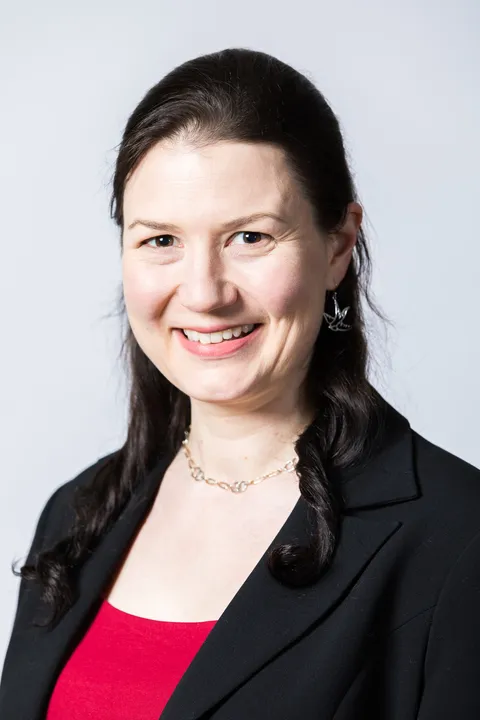
An Electrical and Mechanical Engineer by training, Camilla now teaches about sustainable energy and researches the environmental impacts of energy. Currently this mostly involves developing better tools and techniques to analyse the climate change impact or carbon footprint of changes to the electricity system: whether new renewable energy developments, new transmission lines or even new market operations.
Camilla is a Co-Investigator in the EnergyREV project, leading the work package on developing a Multi-Criteria Assessment tool for Smart Local Energy Systems. She is also the Deputy Co-ordinator on the NEWEST-CCUS project, and is leading a multi-disciplinary international team on the specific task of robustly quantifying the atmospheric-carbon-reduction-potential of waste-to-energy plants with carbon capture and storage.
Camilla is also a keen advocate for diversity in Engineering. She is the founding chair of the School's Molly Fergusson Initiative, and was named one of the Top 50 Women in Engineering - Sustainability in 2020.
Her pronouns are she/her.
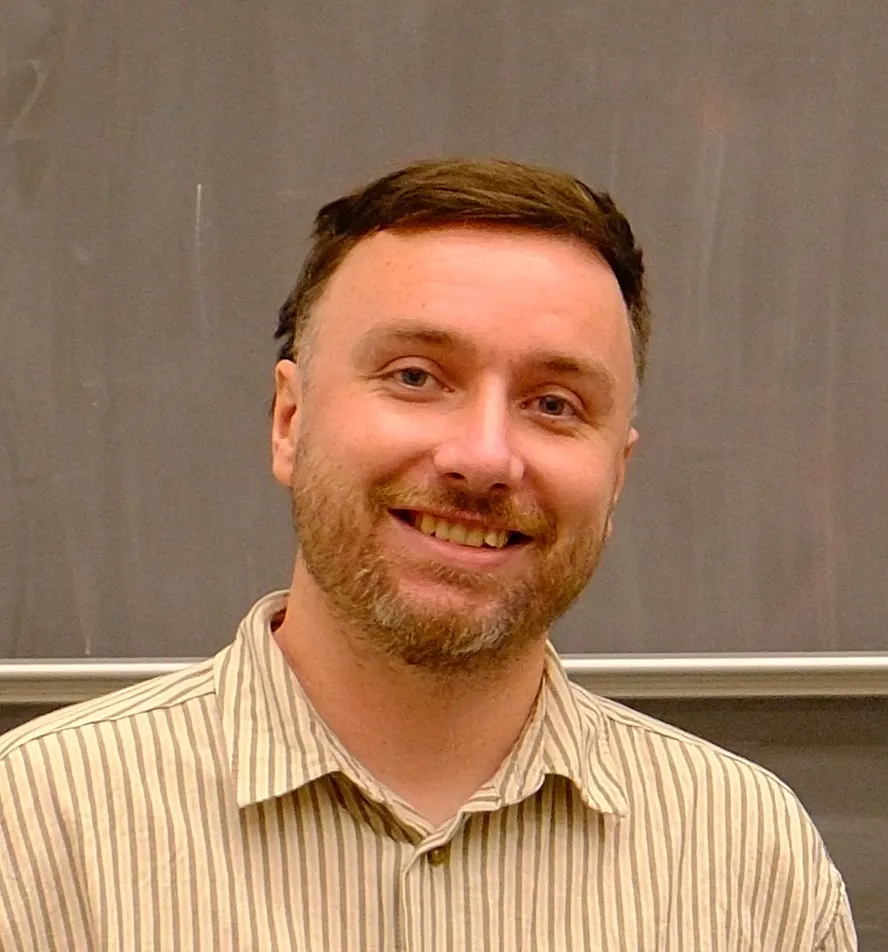
Dr Andrew Lyden is a Lecturer in Energy System Economics and Management within the Institute for Energy Systems. His research focus is on advancing open-source energy system science including data, models, and outputs. He is working on research and consultancy projects related to net-zero electricity markets, integrated multi-energy (electricity, heat, transport, food, water) markets and models, decarbonised district heating and cooling, and long-term energy storage technologies (e.g. underground thermal energy storage).
As part of his work on the INTEGRATE project (which focussing on modelling of the integration of multiple energy sources with seasonal thermal energy storage to decarbonise heat), he developed a transmission network model of the GB power system, PyPSA-GB, which can model historical years and National Grid's Future Energy Scenarios. During his PhD he worked on modelling local energy systems with particular interest on the optimal design and control of heat pumps and thermal storage. As part of this work he developed the open-source tool PyLESA (Python for Local Energy Systems Analysis). He has previously worked on numerous research and industry projects including topics such as future district heating design, community energy masterplanning, and virtual power plants.
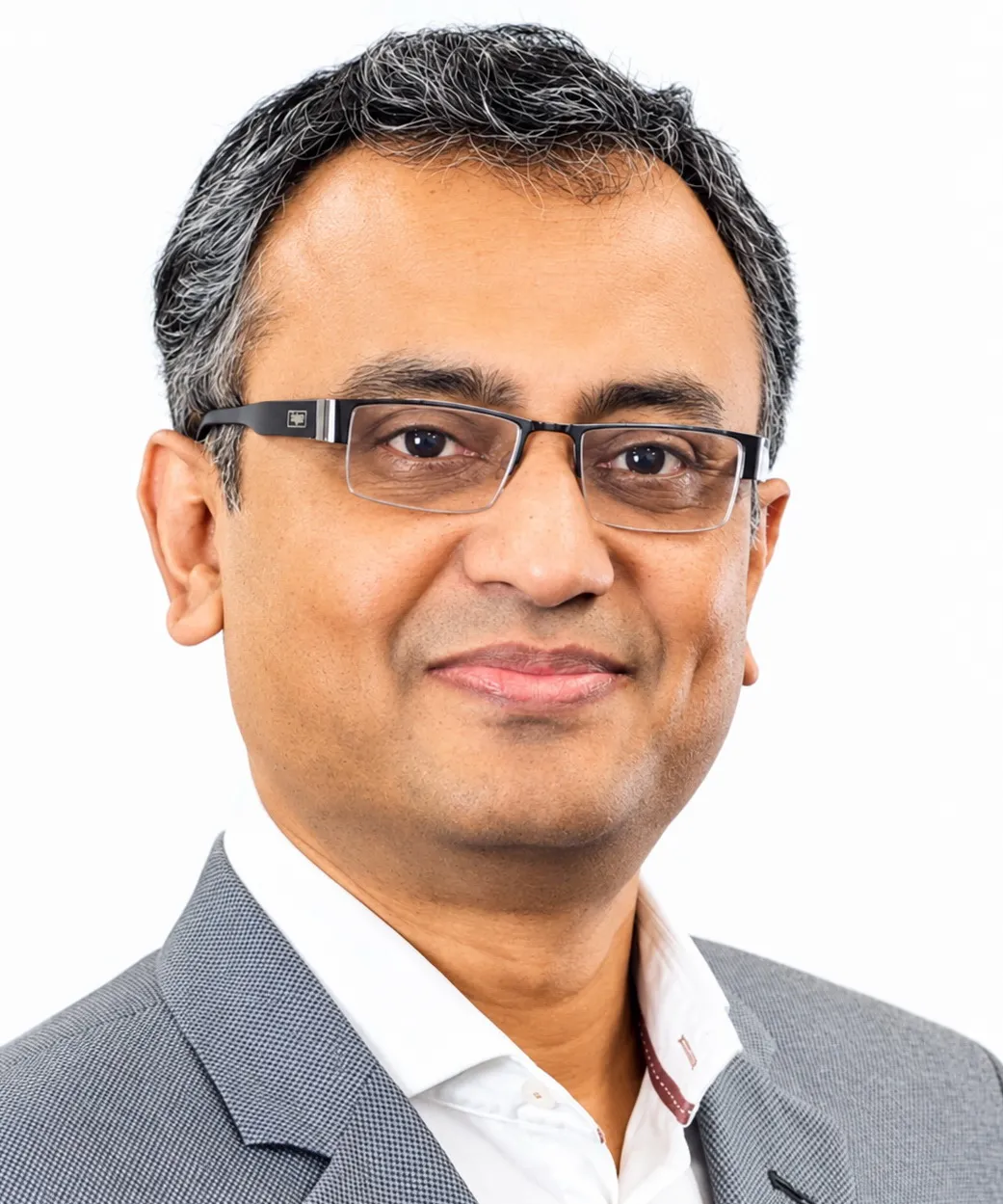
Dr Prodip Das holds a PhD in Mechanical Engineering from the University of Waterloo, where he specialised in hydrogen fuel cells under the supervision of Professor Xianguo Li. He also holds two MSc degrees in Mechanical Engineering from Bangladesh University of Engineering and Technology (BUET) and the University of Alberta, and a BSc in Mechanical Engineering from BUET, where he graduated in 1998 with top honours, first place in his graduating class, record marks, and the Gold Medal in Mechanical Engineering.
Dr Das began his academic career at BUET, where he served as a Lecturer (1998–2001) and then as an Assistant Professor (2001–2007) in the Department of Mechanical Engineering. He completed his PhD in 2010 and subsequently joined Lawrence Berkeley National Laboratory as an NSERC Postdoctoral Fellow (2010–2013), working with Dr Adam Weber. His postdoctoral research focused on water management and water transport dynamics in proton-exchange membrane fuel cells, as well as real-time defect detection using infrared thermography.
His research focuses on hydrogen energy, electrochemical energy conversion and storage, electric-vehicle technologies, and advanced thermofluid and multiphysics modelling. His work spans hydrogen fuel cells and water electrolyzers, lithium-ion batteries, battery safety, recycling and second-life applications, and advanced heat and mass transfer. A major focus of his current research is the modelling, design, and optimisation of PEM and AEM fuel cells and electrolyzers, with particular emphasis on transport phenomena, water and thermal management, hydrogen production, electrochemical performance, and degradation. He also investigates EV battery performance, ageing, safety, recycling, and reuse, including the repurposing of retired batteries for second-life energy-storage applications. His broader research interests include electrothermal characterisation, convective heat transfer, nanofluids, and nature-inspired thermal transport, which complement his work in energy conversion, storage, and thermal management.
Dr Das has made substantial contributions to the fields of hydrogen energy, fuel cells, electrolyzers, batteries, and sustainable energy technologies, with more than 140 scientific articles, seven book chapters, and eight edited books. He is the lead editor of Fuel Cells for Transportation: Fundamental Principles and Applications, a comprehensive reference work on fuel-cell technologies for transportation. His research has received more than 5,400 citations and an h-index of 35.
He has delivered more than 40 invited and keynote presentations and contributes to the international research community through editorial, advisory, peer-review, conference, and research-funding activities. His research and professional contributions have been recognised through awards, including the Dr V.G. Desa Gold Medal, the Dr Chandrashekar Memorial Award in Sustainable Energy, and the ASME Emerging Investigators in Electrochemical Energy Conversion and Storage Award.
Editorships
Guest Editor
Editorial/Advisory Board Member
A common theme across these research areas is the development of fundamental understanding, advanced modelling and simulation tools, and innovative engineering solutions to improve the efficiency, reliability, safety, sustainability, and scalability of low-carbon energy-conversion and storage technologies.