
Image
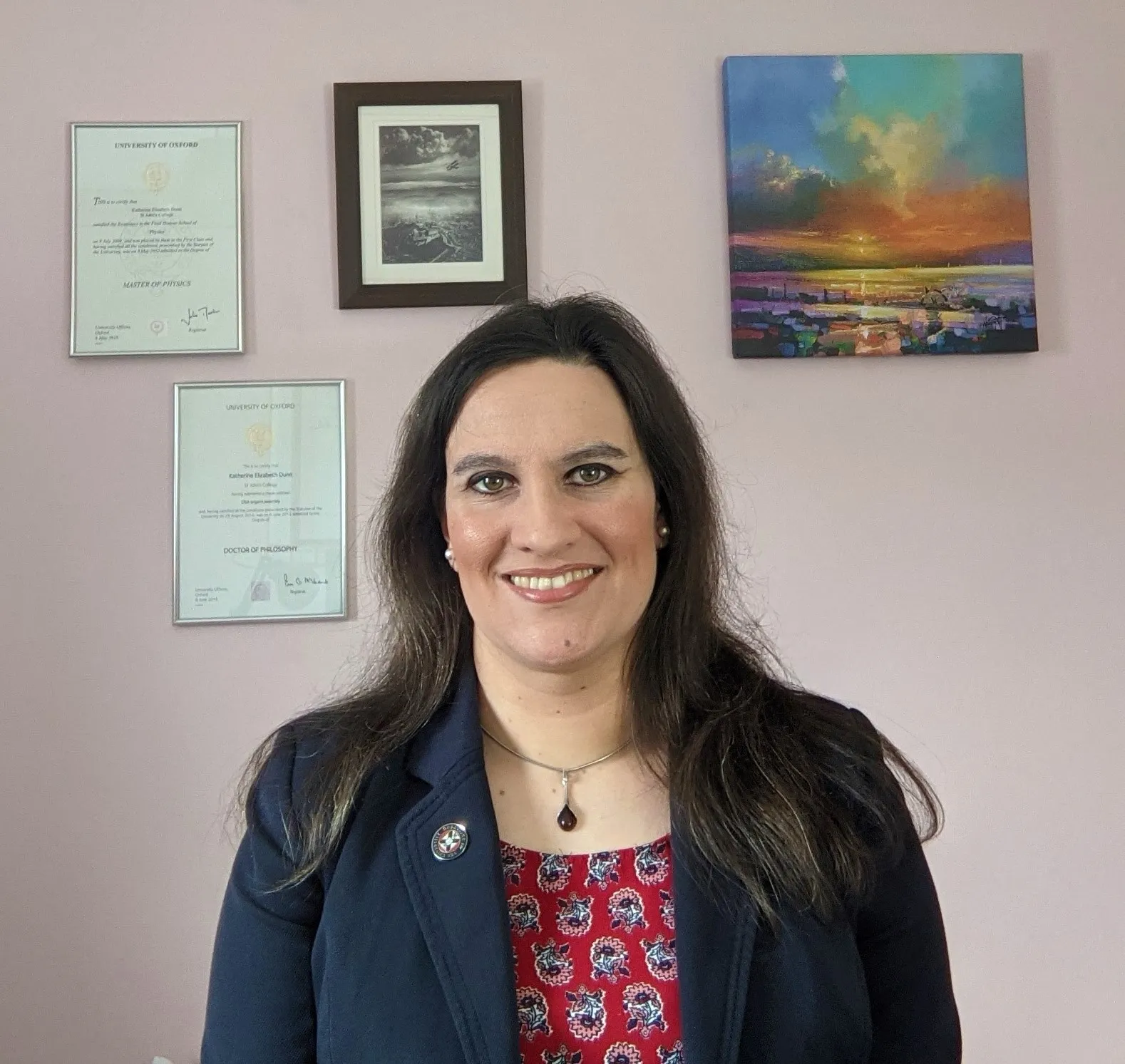
After completing the four year MPhys course at Oxford and achieving a First, I stayed on to carry out research for my DPhil, initially in the field of Terahertz Spectroscopy. After 18 months I changed direction and started a new DPhil in Biological Physics, submitting my thesis entitled ‘DNA Origami Assembly’ a little under three years later. In 2014, I went to York to take up an appointment as a Research Associate in the Department of Electronic Engineering, working primarily on synthetic DNA nanomachines in the context of bioelectronic computing.
I joined the School of Engineering at Edinburgh as a Lecturer in 2017 and became a Senior Lecturer in 2022. I am affiliated with the discipline of Mechanical Engineering and I am a member of the Institute for Bioengineering, where I carry out research in the area of Synthetic Biology.
I was named as one of the Top 50 Women in Engineering 2021 by the Women's Engineering Society. Shortly thereafter, I was elected a Fellow of the Institute of Physics and I took up the role of Degree Programme Manager for Mechanical Engineering in February 2022. In March 2024, I was promoted to the role of Director of Mechanical Engineering, which means I am responsible for leading Mech Eng, providing strategy and line managing the academics (over 40 people).
Fellow of the Institute of Physics
Fellow of The Durham Institute of Research, Development, and Invention
Current teaching (2026):
Previous teaching activities (highlights):
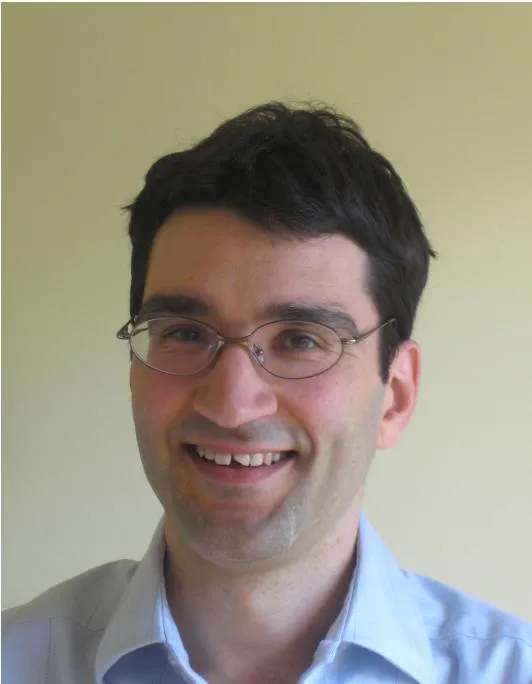
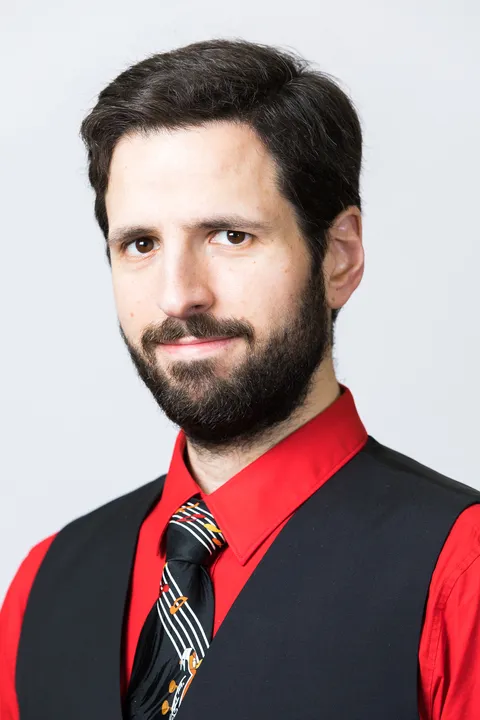
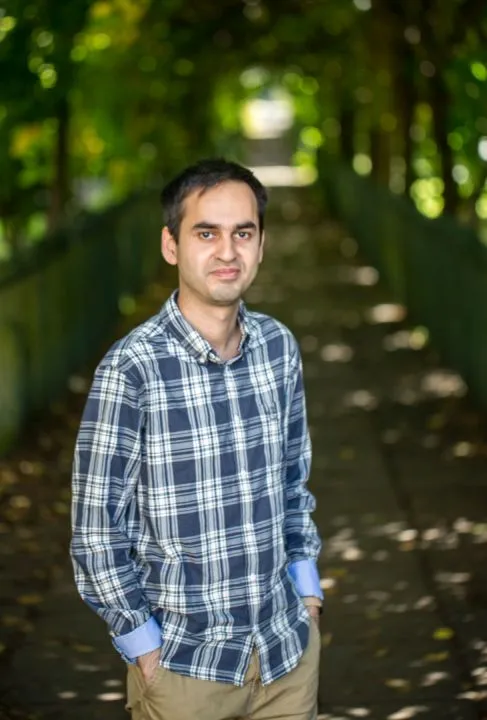
Danial is an academic at the School of Engineering at the University of Edinburgh, Scotland. His research focuses on developing new tools and paradigms of AI-assisted design and test automation for Electronics engineering. Previously, his research focused on optoelectronics sensors, including Single Photon Avalanche Diode (SPAD) arrays for biomedical and communication systems. He received his BSc in electronics engineering from Chamran University of Ahvaz, Iran, in 2007, an MSc in Microelectronics and system engineering from the Computer Science at the University of Bristol in 2009, and a DPhil in engineering science from the University of Oxford Microelectronics group in 2013. During his DPhil studies, his work was based on various designs for Single Photon Avalanche Diode (SPAD) arrays. He designed and tested SPADs for CMOS imaging, fluorescent measurements, and optical communications. He made the first analogue SPAD arrays, which had a compatible readout mechanism with conventional CMOS image sensors. His thesis on single-photon avalanche diodes for optical communications demonstrated that a SPAD receiver can achieve faster data rates than its deadtime.
In 2013, he then joined the UCL Department of Medical Physics and Biomedical Engineering to develop wearable optical brain imaging systems. He used sensitive photodetection and compact digital systems to achieve high-density multi-wavelength source-detector arrays.
In 2017, he joined the School of Engineering at the University of Edinburgh as a Chancellor’s Fellow in Electronics. He is part of the co-investigator team at QuantIC , the UK Quantum Technology Hub in Quantum Enhanced Imaging, developing detector arrays and systems for a variety of applications from fundamental quantum physics to consumer cameras.
Danial is the programme director of MSc Electronics and teaches the IC design course and lab to the MSc students and undergraduates at the University of Edinburgh.
For further information and projects, please visit my personal Home Page.
For a full list of publications, please visit Google Scholar.
For an up-to-date list of projects and open-source activities, please visit EElab.dev.
* For PhD opportunities, please contact me *
Programme Director for MSc Electronics
Course organiser for the following courses:
For a full list of publications please visit Google Scholar.
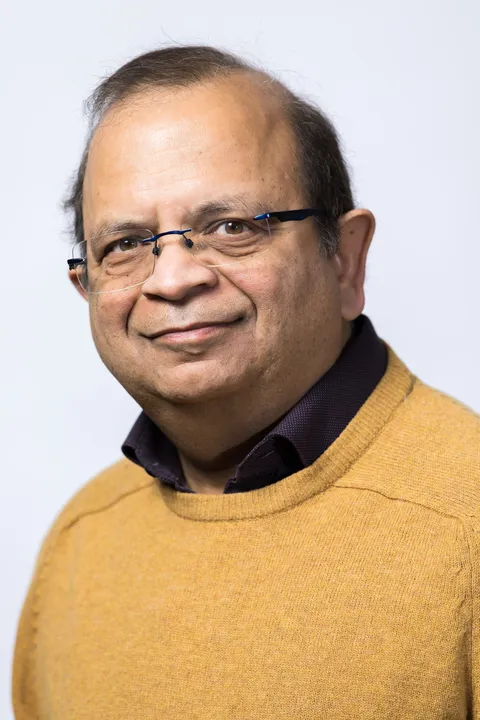
Professor Pankaj obtained his undergraduate degree in Civil Engineering from Indian Institute of Technology, Delhi, masters from Indian Institute of Technology, Roorkee and PhD from University of Wales Swansea. He is the Deputy Head of the Institute for Bioengineering at Edinburgh University. He established and leads the Edinburgh Computational Biomechanics research group. He has research collaborations with universities around the globe and his research has been supported by international organisations, the industry and UK funding councils.
In his role as International Dean for South Asia he provides leadership in the development of a strategy to shape activities, partnerships and priorities to enhance the University’s engagement with the region.
Research supervised by him has received a number of awards:
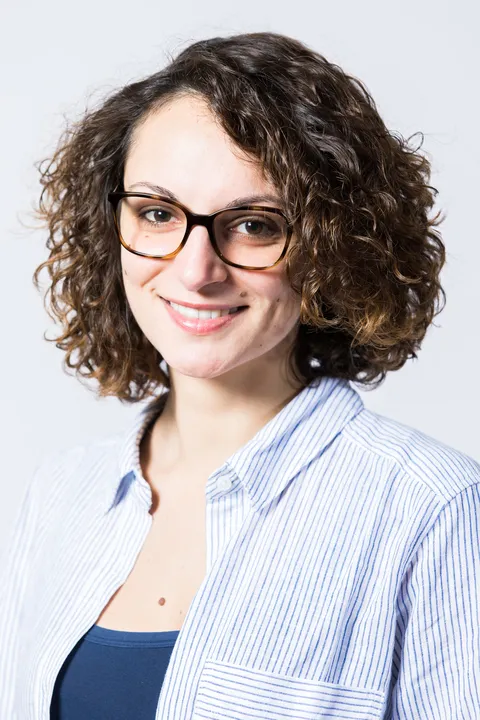
I am a Chancellor’s Fellow in Engineering Biology. My research focuses on the development and use of cybergenetic platforms to model and control complex biological phenomena, with applications in engineering biology and precision medicine. In particular, I am interested in using data-driven approaches to understand and stear the behaviour of biological networks in dynamic environments. I hold a PhD in Bioengineering. I am an Associate Fellow of the Higher Education Academy (FHEA).
I started my studies in biomedical engineering at the University of Bologna (Italy), in 2007. Having developed an interest in cellular and molecular engineering, in 2010 I joined the MSc programme in biomedical engineering offered by the same university. In 2013 I pursued my PhD in Bioengineering, where I undertook mathematical modelling and in vivo-studies of bacterial genetic programmes operating through transcriptional or post-transcriptional control.
To improve my skills in quantitative, single-cell assays, in 2015 I visited Prof. Peter Swain's laboratory at the Centre for Synthetic and Systems Biology, University of Edinburgh. One year later, I joined the lab as a PDRA to investigate phenotypic variability in the budding yeast’s galactose metabolic network and consolidate my expertise in quantitative microscopy and microfluidics.
Having being awarded an EPSRC Postdoctoral Fellowship, in 2017 I joined the School of Engineering, University of Edinburgh. In the following three years, I researched technologies to automate the development and use of mathematical models of synthetic gene networks.
In 2021, I received a tenure track fellowship to establish my research independence.
I am the Deputy Head of Graduate School (Postgraduate Experience) (2024 -).
I am the Deputy Biological Safety Officer and the Genetic Modification Biological Safety Officer (2021 -).
I was the Postgraduate Academic Adviser for Institute for Bioengineering in the School Postgraduate Progression Committee (SPPC) and the School Postgraduate Experience Committee (SPEC) (2021 - 2024).
I was the organiser of the seminar series for the Institute for Bioengineering (2021-2024).
Associate Fellow of the Higher Education Academy (AFHEA), 2020
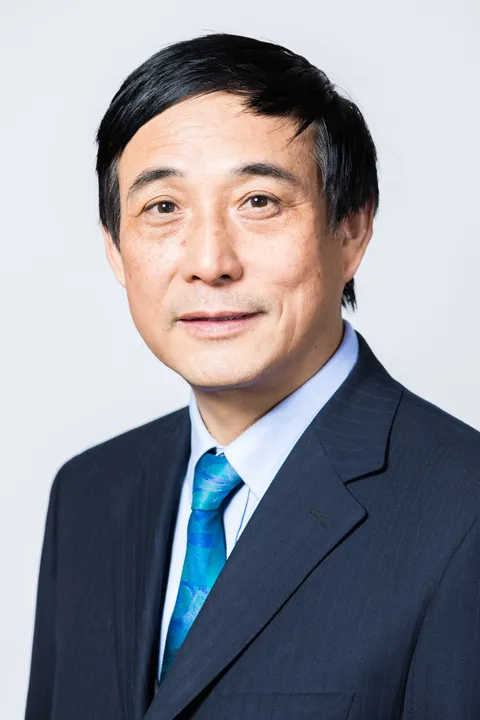

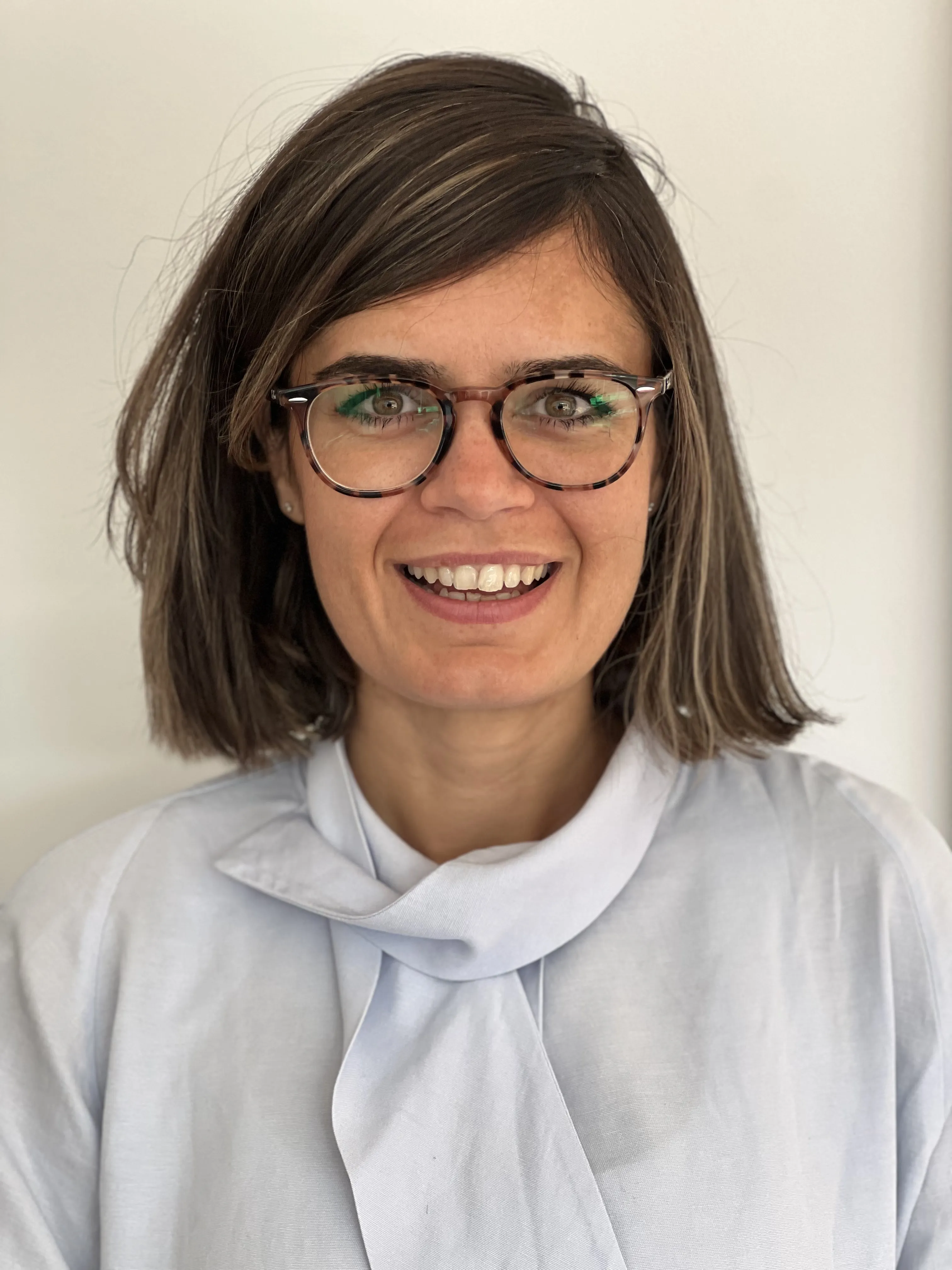
The research of Melis mainly focuses on how geostructures can contribute to the sustainability of human activities and resilience to future climate change and energy-related challenges. Her research activities span across a range of topics including in-situ and laboratory testing of soils and soil-structure interfaces in isothermal and non-isothermal conditions, as well as development of numerical tools for the analysis and design of geostructures. During her PhD at Virginia Tech (USA) and her postdoc at the Swiss Federal Institute of Technology in Lausanne (EPFL, Switzerland), she worked on Energy Geostructures Technology, which is an innovative way of using renewable energy resources by combining geothermal heat exchange and structural foundation support. Her currently research also looks at how abandoned mines can be used for exploiting shallow geothermal energy through direct heating and cooling, as well as thermal energy storage. Her PhD research received several awards by USUCGER, Geo-Institute and ADSC. For her postdoctoral contributions to EPFL, she was awarded “Recognition for Exceptional Services”. She recently received the Bright Sparkle Award 2023 from the International Society for Soil Mechanics and Geotechnical Engineering (ISSMGE). She is currently the coordinator of the Doctoral Network on Energy Geostructures Integration: Buildings, Infrastructure and Underground Storage (GENIUS-DN), which is funded by the European Union as a part of the Horizon Europe Programme, Marie Sklodowska-Curie Actions Doctoral Networks 2024 (Agreement number 101226708) https://genius-dn.eu/
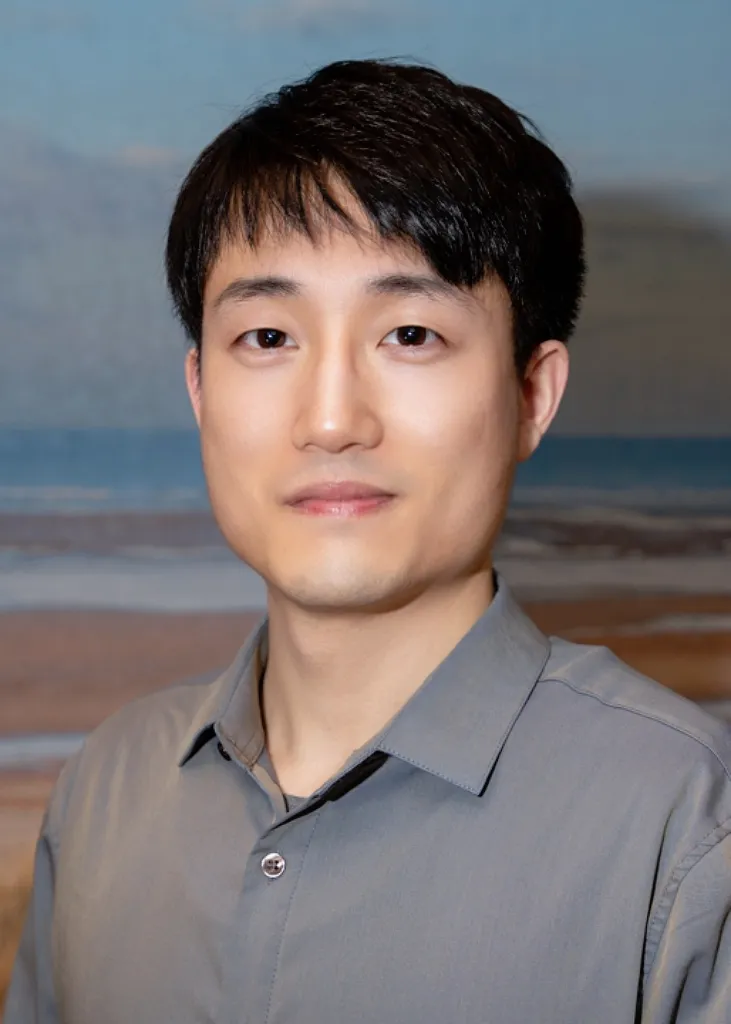
Hongye ZHANG (FHEA, MIEEE, MIET) received his BSc and MSc in Electrical Engineering from Xi’an Jiaotong University, Xi’an, China, in 2015 and 2018, respectively, a Diplôme d’ingénieur from École Centrale de Lyon, Lyon, France, in 2018, and his PhD degree in Applied Superconductivity from The University of Edinburgh, UK, in 2021.
In 2021, he was awarded one of the six IEEE Council on Superconductivity Graduate Study Fellowships. He has been working on the £54-million collaborative H2GEAR project as a Research Associate at The University of Manchester since May 2021.
He is currently a Lecturer (Assistant Professor) in Superconducting/Cryogenic Electric Machines at the University of Edinburgh and a Visiting Research Fellow at the University of Manchester.
His research encompasses Design & Analysis & Testing of Superconducting/Cryogenic Electric Machines, Numerical Modelling & Measurement of Superconductors, Hydrogen Energy, and Artificial Intelligence.
He is currently a Board Member of the European Society for Applied Superconductivity (ESAS), a Board Member of the HTS Modelling Workgroup, and an Early Career Editorial Board member & Associate Editor for the Elsevier journal Superconductivity, etc.
He is the Chairman of the international workshop HTS 2026.
Hongye ZHANG’s interdisciplinary research combines Electric Machines & Drives, Clean Energy Conversion, Superconductor Technology, Cryogenic Techniques, Hydrogen Energy, and Artificial Intelligence to contribute to low/zero emission technology.
His interests centre on Net Zero Transport and Hydrogen Energy with a focus on power-dense and highly efficient next-generation propulsion electric machines. His current research focuses on the design, analysis, build, and testing of cryogenic/superconducting motors for sub-regional electric aircraft exploiting hydrogen propulsion.
His long-term vision is to build a world-leading research group at the interface of academia and industry that will further advance the decarbonisation of future transport.