
Image
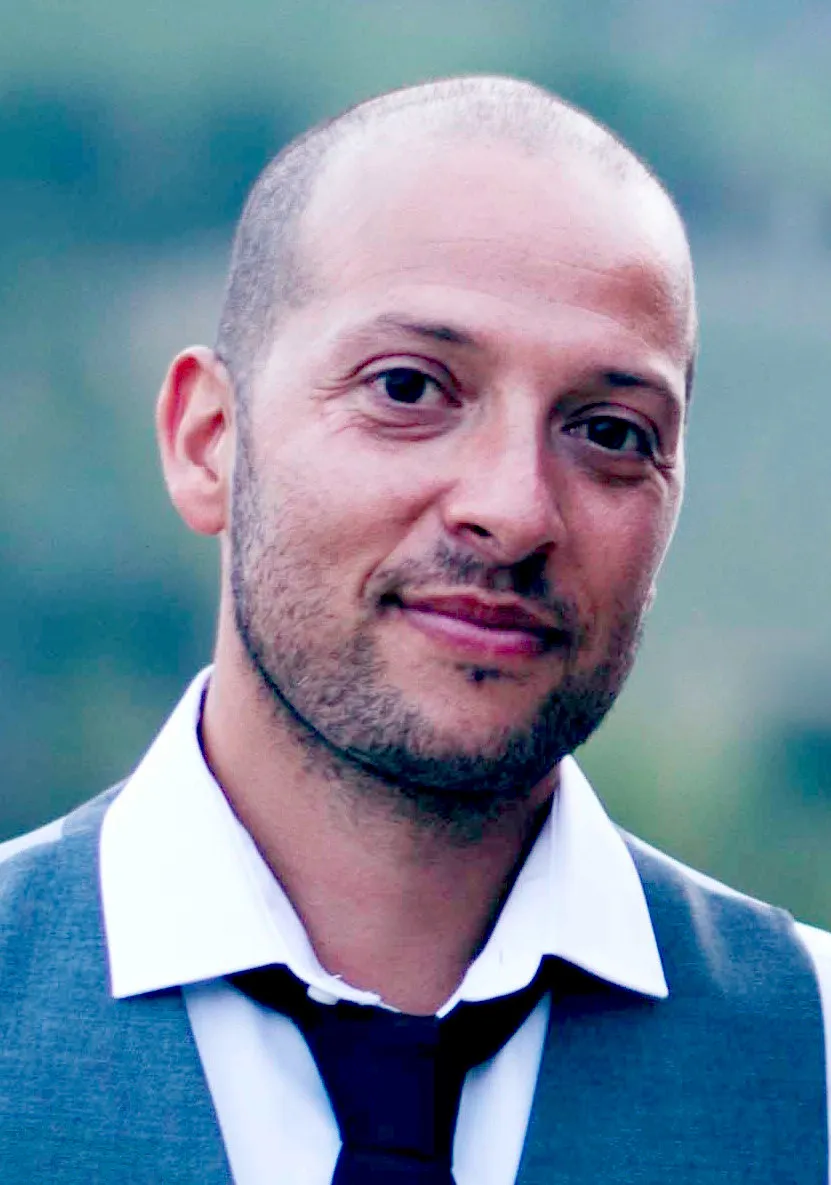
Dr. Giorgio-Serchi is a Senior Lecturer (Associate Professor) within the School of Engineering, Institute of Integrated Micro and Nano System, and teaches within the Mechanical Engineering discipline; he is affiliated with the Edinburgh Centre for Robotics. His research focueses on soft-bodied underwater vehicle design and control, soft manipulator control, model-predictive control of unmanned underwater vehicles and soft robot sensing.
Dr Giorgio-Serchi holds a Laurea Degree (MSc equivalent) in Marine Science & Technology from the University of Pisa. He was a Marie-Curie Early Stage Training (EST) Fellowship and PhD in Computational Fluid Dynamics at the University of Leeds under the supervision of Prof. Jeff Peakall. In 2011 he was awarded a Marie-Curie European Reintegration Grant (ERG) to undertake a Research Fellowship in bioinspired aquatic propulsion at the Centre for Sea Technologies and Marine Robotics of the Biorobotics Institute, as part of the CFD-OctoProp project and the project PoseiDrone, under the supervision of Prof. Cecilia Laschi. In 2015, sponsored by the Lloyd's Register Foundation, he moved to the Fluid Structure Interaction Group of the University of Southampton to work on the development of bioinspired soft-bodied underwater vehicles and the study of aquatic propulsion aided by body-shape variations under the supervision of Prof. Gabriel Weymouth.
In 2018 Dr Giorgio-Serchi moved to the University of Edinburgh as Chancellor 's Fellow in Robotics and Autonomous Systems (Tenure Track Assistant Professor), as part of the Data Driven Innovation initiative, joined the Soft Systems Group and started work within the OrcaHub in collaboration with Dr. Kiprakis (Institute of Energy Systems), Prof. Mistry (School of Informatics) and Dr. Stokes (Scottish Microelectronics Institute).
Dr Giorgio-Serchi currently maintains collaboration with Dr. Weymouth at the DelftTU, Dr. Calisti at the Scuola Superiore Sant'Anna and Dr. Renda at Kahlifa University. I also maintain very active collaborations with Prof. Suzumori's Endorobotics Lab at Tokyo Tech, Prof. Mochiyama's Flexible Robotics Lab at Tsukuba University, Prof. Tadokoro's Human-Robot Informatics Lab at Tohoku-Sendai University and Hosoya's Mechanical Dynamics Lab at Shibaura Institute of Technology.
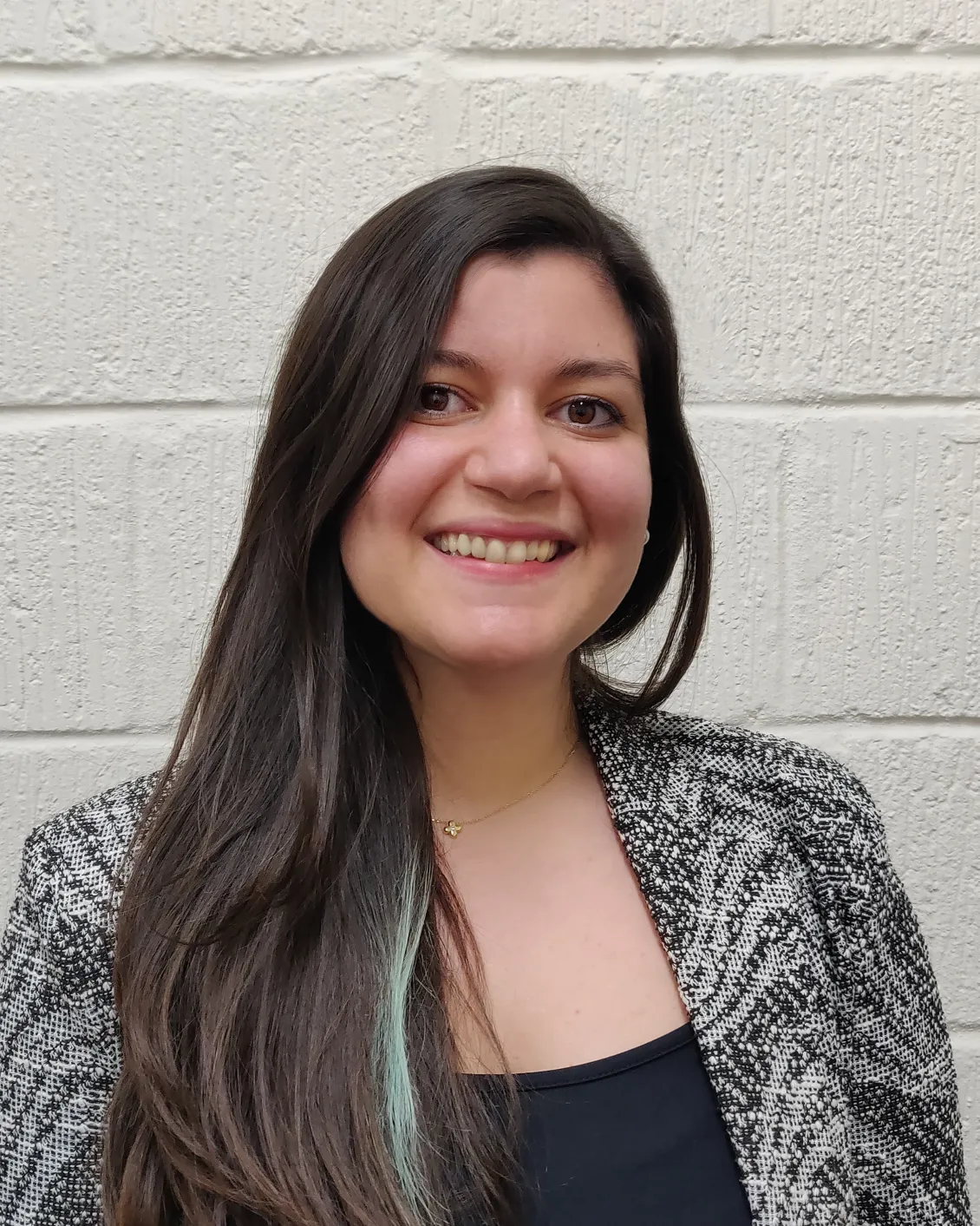
I am a Lecturer and holder of Elizabeth Georgeson Fellowship in Data and Digitalisation for Net Zero.
As a sustainable energy engineer and researcher, my ambition is to bridge the gap between academic research and implementation in the industry to accelerate the decarbonisation of energy systems. My research involves the use of data-driven and digital smart grid solutions and state-of-the-art technologies such as digital twin modelling, smart contracting, and AI as well as niche market mechanisms including smart local energy markets and flexibility trading.
Prior to my fellowship, I worked on the EPSRC DISPATCH Project towards multi-vector net zero heating and cooling solutions. I hold an award-winning Master of Engineering degree and a PhD from the School of Engineering, University of Edinburgh. Recently, I won the Scottish Renewables Young Professionals Green Energy Award for my PhD project on bottom-up decarbonisation of smart local energy systems.
Teaching:
Project Supervision/Co-Supervision:


I have been teaching at University of Edinburgh for nearly three decades and in that time have contributed project management and risk management material to the School of Mathematics and University of Edinburgh Business School. In recent years I have focussed solely on Civil and Environmental Engineering and cover the following topics:
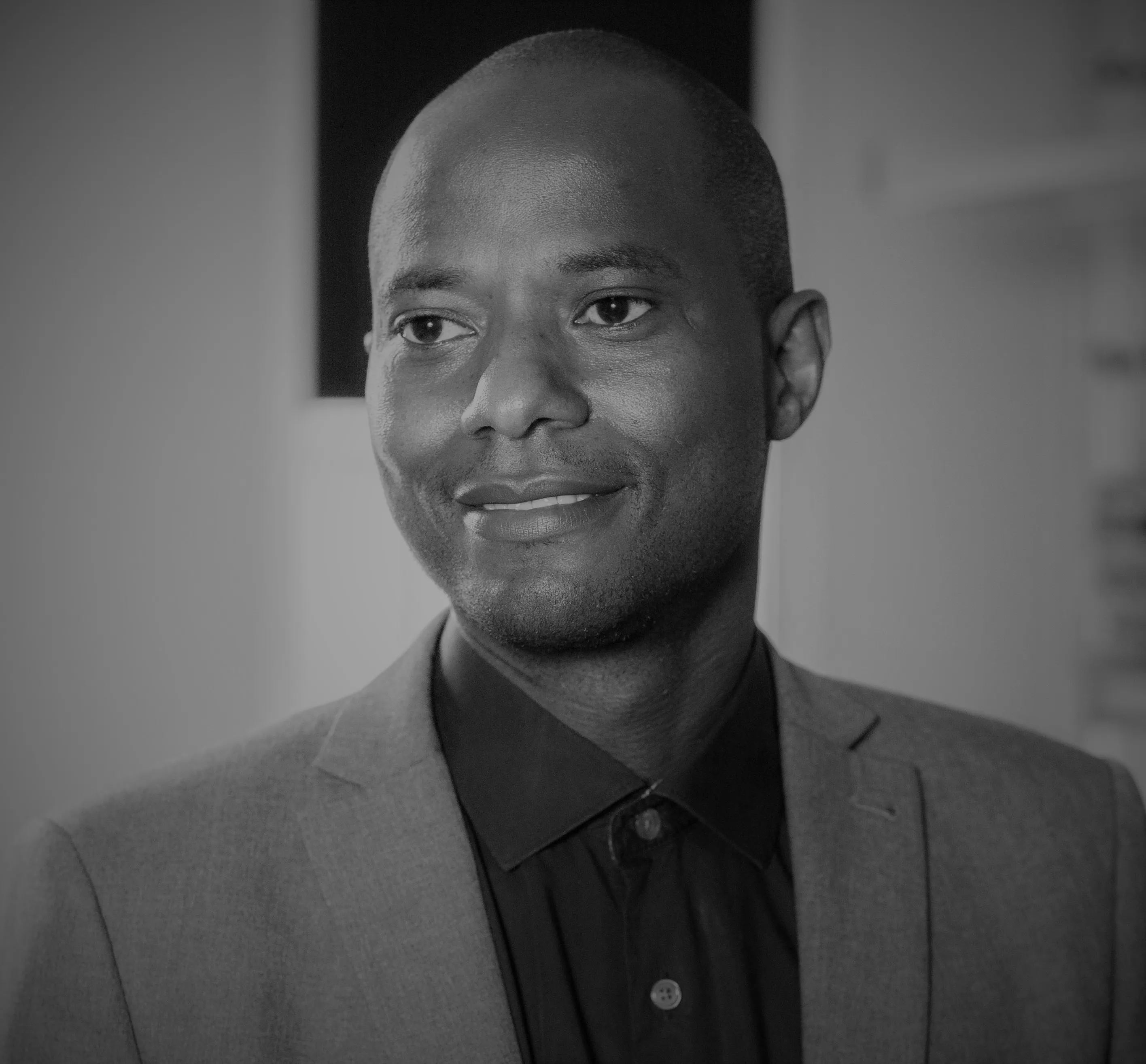
Wasiu O. Popoola is a Professor of Communications Engineering and the current Director of Electronics and Electrical Engineering. From 2019-2024, he was a Deputy Director of Learning and Teaching leading the School's initiatives on Widening Participation & Outreach. In 2022, he was awarded RAEng/Leverhulme Trust Research Fellowship for his work on ‘ethical LiFi’ research.
He has published over 200 journal articles, conference papers, patent and several invited articles. He also co-authored the acclaimed book ‘Optical Wireless Communications: System and Channel Modeling with MATLAB’ and many other book chapters.
His primary research interests are digital and optical communications, including VLC/LiFi, FSO, and fiber communications. One of his journal articles ranked No. 2 in terms of the number of full text downloads within IEEE Xplore, in 2008, from the hundreds of articles published by IET Optoelectronics, since 1980. Another article he co-authored with one of his Ph.D. students received the Best Poster Award at the 2016 IEEE ICSAE Conference. Popoola is a science communicator appearing in science festivals and on “BBC Radio 5live Science” programme in Oct. 2017.
He is an Associate Editor of the IEEE Access Journal, a Fellow of the Institute of Engineering Technology (FIET), a Fellow of the Higher Education Academy (FHEA) and a Senior Member of IEEE . He was an invited speaker at various events including the IET Lunch and Learn Lecture 2024, Rank Prize Symposium 2024, IEEE Photonics Society Summer Topicals 2016 among others.

Dani is a Senior Lecturer in Chemical Engineering at the Institute for Multiscale Thermofluids (IMT) at the School of Engineering (SoE) at the University of Edinburgh (UoE) since August 2022 and prior to this, he was a Lecturer since December 2018. In addition, Dani holds a Visiting Associate Professor at WPI-I2CNER (World Premier International Research Center – International Institute for Carbon-Neutral Energy Research) at Kyushu University Japan since April 2019, from the São Carlos School of Engineering at the University of São Paulo in 2024, and a Fellowship of the Higher Education Academy (FHEA) since May 2021.
Prior to joining the University of Edinburgh Dani was part of the International Institute for Carbon-Neutral Energy Research (I2CNER) at Kyushu University in Japan where he spent 3 years as a Post-Doctoral Research Associate and further 2 years as Assistant Professor. During this time, he also served as Adjunct Assistant Professor at the University of Illinois at Urbana-Champaign (UIUC) in USA for 4 months. Before joining Kyushu University Dani completed PhD at the Institute for Materials and Processes (IMP) at the University of Edinburgh. Before joining the Institute of Materials and Processes (IMP), he carried out an internship at the Institute for Energy Systems (IES) of the UoE. Before joining the University of Edinburgh, Dani was an Undergraduate Research Assistant at AICIA (Andalusian Association for Research and Industrial Cooperation) and at the Chemical Engineering Department at The Higher Technical School of Engineering in Seville Spain where he obtained his 5-years Bachelor’s degree in Environmental and Industrial Chemical Engineering with one year completed at the Scuola di Ingegneria University of Bologna in Italy.
In addition, Dani acted as an Associate Editorship for the International Journal of Heat and Mass Transfer (Elsevier) between January 2021 and December 2023 and as Foreign Expert Visitor at the School of Environmental Science and Engineering, Huazhong University of Science and Technology, China in 2023.
5-year Bachelor/s in Environmental and Industrial Chemical Engineering (The Higher Technical School of Engineering, Seville, Spain 2009).
PhD Applied Physics of Droplet Phase-Change (Institute of Maerials and Processes, University of Edinburgh, 2013).
Postgraduate Certificate Academia in Practice PgCAP (University of Edinburgh, 2021)
PROFESSIONAL QUALIFICATIONS APPOINTMENTS:
Fellow of the Higher Education Academy (FHEA, 2021-current)
WPI-I2CNER Visiting Associate Professor at International Institute for Carbon-Neutral Energy Research and Kyushu University (Kyushu University Japan, 2019-current)
Foreign Visitor Professor/Programma de Professor Visitante do Exterior at São Carlos School of Engineering University of São Paulo (USP Brazil 2024)
Foreign Expert Visitor at School of Environmental Science and Engineering, Huazhong University of Science and Technology (HUST China, 2022)
Associate Editor for the International Journal of Heat and Mass Transfer (Elsevier, 2021-2023)
SOCIETIES MEMBERSHIPS:
Associate Member Institution of Chemical Engineers (AMIChemE, 2015)
Member of the Asociación de Científicos Españoles en Japón (ACE Japón, 2017)
Member of the American Physical Society (APS, 2016)
Member of the American Chemical Society (ACS, 2012)
Deputy Head of the Graduate School of Engineering - Progression Committee (University of Edinburgh, 2024-current)
Lead External Examiner to the Programme Assessment Board - MSc Engineering Management and MSc Renewable and Sustainable Energy Technologies in the Faculty of Science and Environment, Northumbria University (Northumbria University, 2026-current)
Course Organiser CEUO3 Chemical Engineering Unit Operations 3 CHEE09021 (University of Edinburgh, 2026-current)
Course Organiser AMNHT5 Advanced Micro-Nano-Scale Heat and Mass Transport 5 CHEE11034 (University of Edinburgh, 2026-current)
Academic Research Projects 5 CHEE11017 (University of Edinburgh, 2020-current)
Academic Industrial/Overseas Projects 5 CHEE11031 (University of Edinburgh, 2019-current)
Academic Study Project 4 CHEE10009 (University of Edinburgh, 2019-current)
FORMER ROLES:
School Postgraduate Progression Committee (SPPC) Representative for the Institute for Multiscale Thermofluids (University of Edinburgh, 2019-2024)
School Postgraduate Experience Committee (SPEC) Representative for the Institute for Multiscale Thermofluids (University of Edinburgh, 2019-2024)
Teaching Laboratory Manager for the Chemical Engineering Discipline (University of Edinburgh, 2020-2025)
Course Organiser CEL3 Chemical Engineering Laboratory 3 CHEE11028 (University of Edinburgh, 2019-2026)
Course Organiser Practical Skills in Chemical Engineering CHEE08018 (University of Edinburgh, 2021-2024)
Academic Design: Projects 4 CHEE10002 (University of Edinburgh, 2018-2020)
I am always open to enquire for supervision of self-funded and sponsored PhDs as well as hosting visiting researchers from all over the world.
Here are some useful links with some potential Scholarships:
School of Engineering University of Edinburgh:
https://registryservices.ed.ac.uk/student-funding/postgraduate/international/other-funding
Commonwealth PhD Scholarships for Low Income Countries:
Other issues on concerns please reach at d.orejon@ed.ac.uk
I am Conference Chair for PEE26, and looking forward to hosting colleagues from across the world in Edinburgh on 2nd and 3rd July 2026.
Visit our PEE26 conference website for further information.
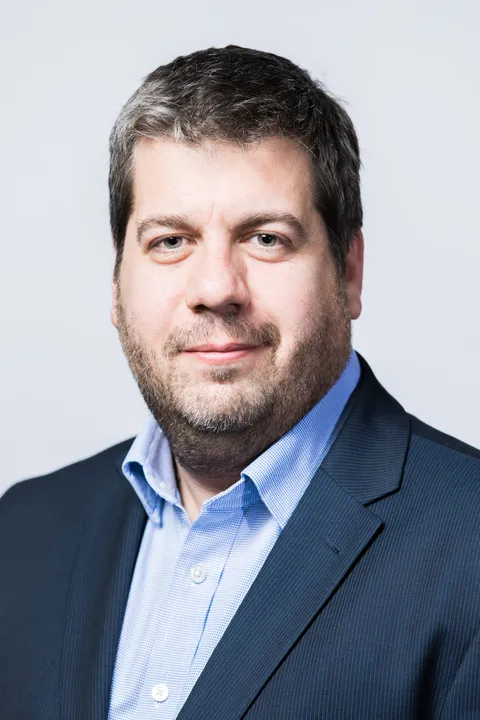
Sotirios A. Tsaftaris is currently Chair (Full Professor) in Machine Learning and Computer Vision at the University of Edinburgh. He also holds the Canon Medical/Royal Academy of Engineering Research Chair in Healthcare AI. He is an ELLIS Fellow of the European Lab for Learning and Intelligent Systems (ELLIS) of Edinburgh’s ELLIS Unit. Since 2023 he is a visiting researcher with Archimedes RC a research centre of excellence in AI in Athens, Greece. Between 2016 and 2023 he was a Turing Fellow with the Alan Turing Institute.
He received the M.Sc. and Ph.D degrees in Electrical and Computer Engineering from Northwestern University, Evanston, IL, in 2003 and 2006, respectively, and the Diploma degree in Electrical and Computer Engineering from the Aristotle University of Thessaloniki, Thessaloniki, Greece, in 2000.
Previously he was an Assistant Professor with IMT Institute for Advanced Studies, Lucca, Italy and the Director of the Pattern Recognition and Image Analysis Unit at IMT. Prior to that, he held a joint Research Assistant Professor appointment at Northwestern University with the Departments of Electrical Engineering and Computer Science (EECS) and Radiology Feinberg School of Medicine. He maintained an adjunct appointment with EECS (2011-2015), and an affiliation with the Image and Video Processing Laboratory (IVPL), at Northwestern University.
He has published extensively, particularly in interdisciplinary fields, with more than 180 journal and conference papers in his active record, with a variety of co-authors and collaborators.
While he has served in many technical program committees of international conferences, and he actively reviews papers for several prestigious international journals, most notably he currently is an Associate Editor (AE) for the IEEE Transactions on Medical Imaging. He served as an AE for IEEE Journal of Biomedical and Health Informatics (2011-2021) and Elsevier DSP (2014-2018). He was tutorial chair for ECCV 2020. He was Doctoral Symposium Chair for IEEE ICIP 2018 (Athens). He has served as area chair for CVPR 2021, MICCAI 2018 (Granada), ICME 2018 (San Diego), ICCV 2017 (Venice), MMSP 2016 (Montreal), VCIP 2015 (Singapore). He has also co-organized workshops and tutorials for ECCV (2020, 2014), CVPR (2019), ICCV (2017), BMVC (2015), and MICCAI (2016, 2017, 2021).
He is a member of the IEEE, Senior Member, ISMRM, and SCMR.
His work has received several accolades, such as Best Paper Award (STACOM 2017), twice a Magna Cum Laude Award (ISMRM), a finalist for the Early Career Award (SCMR, 2011; SCMR, 2019 (Chartsias as PhD student)), and has had his work appear in journal covers and attract significant media coverage.
Prof. Tsaftaris is also a Murphy Fellow and a Fellow of the Alexander S. Onassis Public Benefit Foundation.

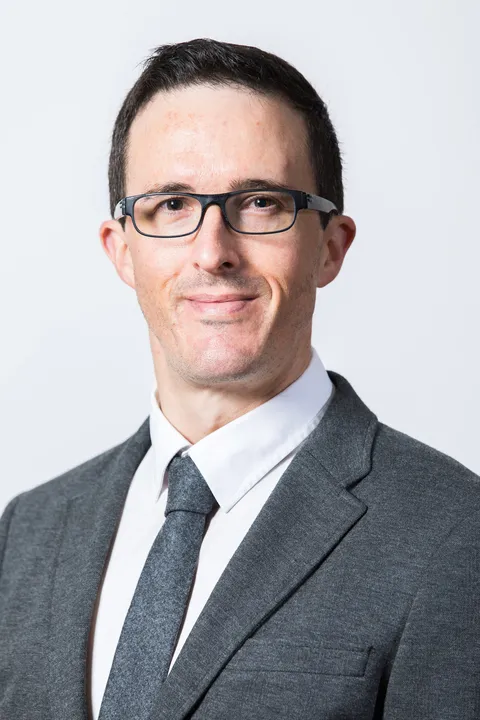
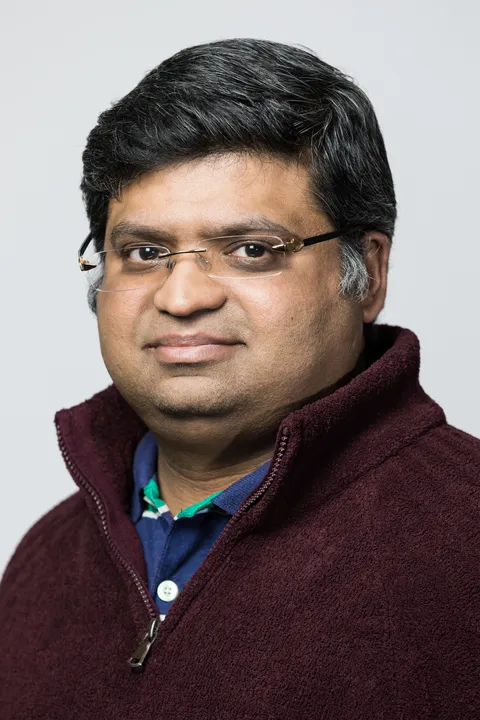
My work centres around the development of understanding and mathematical models for complex multiphase flow patterns to tackle various industrial problems like cleaning, oil-gas transport, slurry transport, distillation, absorption, thermal management of microdevices and biological problems such as cerebral temperature regulation and lung function.
PhD, Department of Chemical Engineering, Imperial College London, 2004