Image
Dr Welch has a PhD in combustion and over 30 years of experience in fire research and teaching. He worked for a decade at BRE's Fire Research Station, including full-scale fire tests at BRE Cardington, before joining the BRE Centre for Fire Safety Engineering at the University of Edinburgh in 2004. His research spans a range of topics related to computational simulation of fire and structures and has had involvement as first or second supervisor of around 30 graduated PhD students and served as examiner for over 30 more (including external examiner appointments). His teaching is related to fire safety engineering practice, providing a training in engineering approaches to applied problems, with critique and analysis of relevant regulations, codes and design principles. He was Programme Director for the one-year MSc Structural and Fire Safety Engineering (SAFE) 2008-23 (120+ graduates), and is a management board member for the International Master in Fire Safety Engineering (IMFSE), since 2010 (300+ graduates). He was Discipline Programme Manager for Civil & Environmental Engineering 1/1/14-30/4/18 & 14/3-14/8/22 and is now Deputy Director of Students in the School of Engineering.
AIFireE, AIOP (Combustion Physics subgroup), IAFSS newsletter associate editor
Deputy Director of Students, School of Engineering
Management Board, International Master in Fire Safety Engineering (IMFSE)
Programme Director, Structural & Fire Safety Engineering (SAFE) MSc
Current teaching: Fire Safety Engineering 5/MSc/IMFSE (formely Current Methods in Fire Safety Engineering/Fire Safety Engineering 4) (short-listed for "Outstanding course" via 22/23 EUSA Teaching awards https://www.youtube.com/watch?v=cslN1EdULWQ) Fire Science Laboratory 5/SAFE/IMFSE, Fire Safety Engineering 3
Previous teaching: Fire Safety Engineering Design Project 5, Fire Safety Engineering Analysis and Design 5/MSc, Quantitative Methods for Fire Safety Engineering 5, Numerical Methods and Computing 2, Engineering 1, Civil Engineering 1
Room 3.08, Alexander Graham Bell building https://www.ed.ac.uk/maps/maps?building=0618
Research Article: Deiana, G.; Smith, S. 3D Printed Devices for the Separation of Blood Plasma from Capillary Samples. Micromachines 2024, 15, 359. https://doi.org/10.3390/mi15030359
Research Article: Tsiamis, A.; Buchoux, A.; Mahon, S.T.; Walton, A.J.; Smith, S.; Clarke, D.J.; Stokes, A.A. Design and Fabrication of a Fully-Integrated, Miniaturised Fluidic System for the Analysis of Enzyme Kinetics. Micromachines 2023, 14, 537. https://doi.org/10.3390/mi14030537
Research Article: Jamie R.K. Marland, Mark E. Gray, Camelia Dunare, Ewen O. Blair, Andreas Tsiamis, Paul Sullivan, Eva González-Fernández, Stephen N. Greenhalgh, Rachael Gregson, R. Eddie Clutton, Magdalena M. Parys, Alex Dyson, Mervyn Singer, Ian H. Kunkler, Mark A. Potter, Srinjoy Mitra, Jonathan G. Terry, Stewart Smith, Andrew R. Mount, Ian Underwood, Anthony J. Walton, David J. Argyle, Alan F. Murray, Real-time measurement of tumour hypoxia using an implantable microfabricated oxygen sensor, Sensing and Bio-Sensing Research, 2020, 30, 100375. https://doi.org/10.1016/j.sbsr.2020.100375.
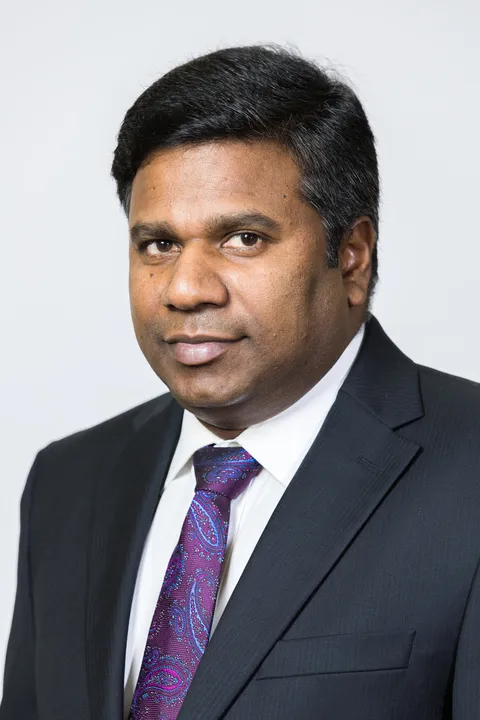
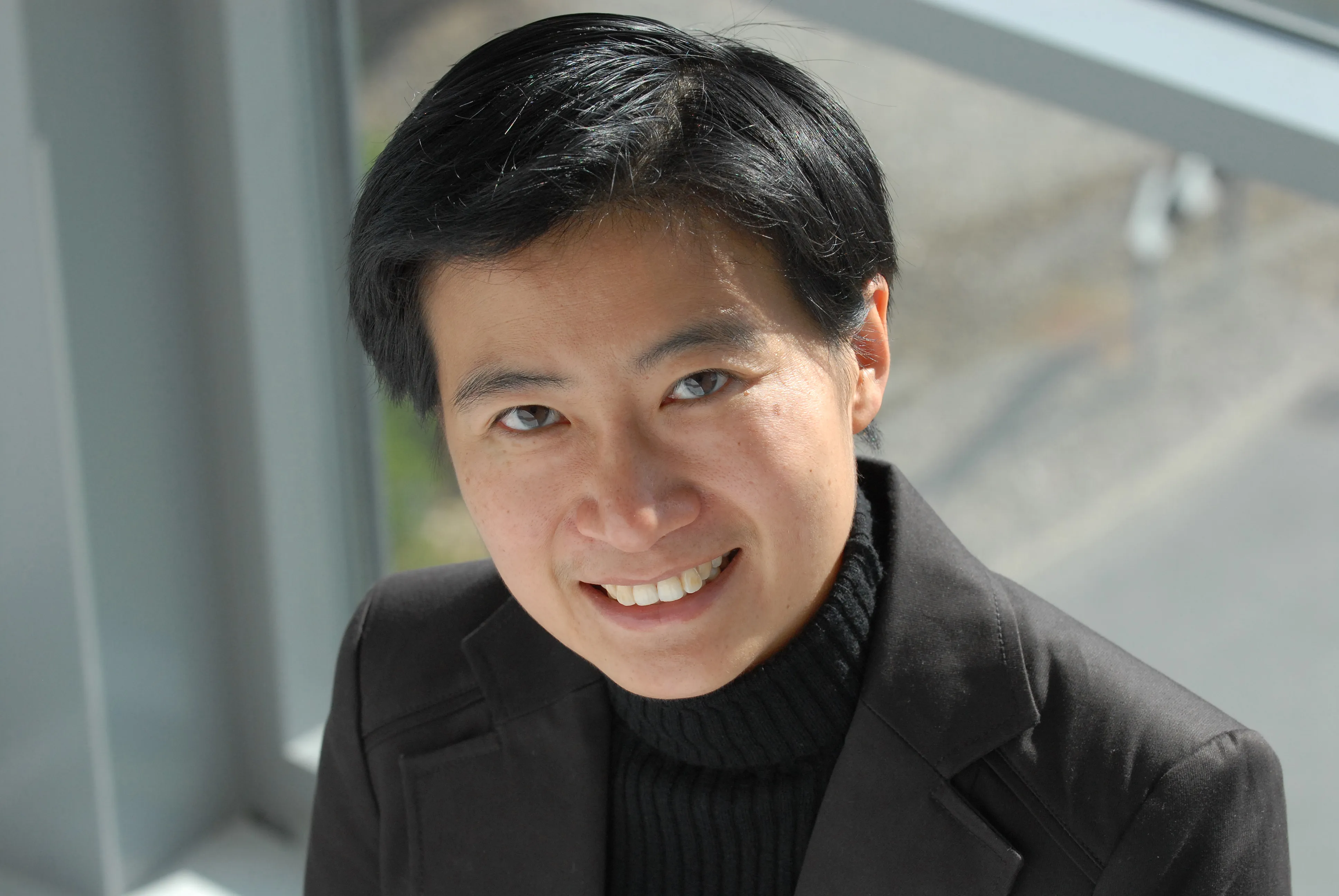
Rebecca Cheung received her secondary and tertiary education in Scotland. After obtaining a first class honours degree in Electronics and Electrical Engineering from the University of Glasgow, she was awarded a Scholarship from the Croucher Foundation to study towards a Ph.D, which she received from the same University in 1990. During her Ph.D, she was a visiting researcher with the Semiconductor Technology Group at IBM Thomas J. Watson Research Centre in Yorktown Heights, USA, where high density plasma etching techniques were developed for GaAs nanostructures. The process-induced material damage was characterised using x-ray photoelectron spectroscopy and quantum transport techniques.
Professor Cheung joined the University of Edinburgh in 2000 and her current research interests include Silicon Carbide Microelectromechanical Systems, Biomimetical Systems and Graphene. She is funded by EPSRC and Scottish Enterprise to develop fabrication processes and technologies for the production of microelectromechanical systems in silicon carbide; as well as a multi-channel biomimetical system consisting of an array of resonating gate transistors integrated with neural electronics for mimicking the cochlea.
Previously, Professor Cheung had been a visiting scientist with the Mesoscopic Physics Group in the Department of Applied Physics at Delft Institute of Microelectronics and Submicron Technology, The Netherlands; the Semiconductor Technology Group at the Laboratory for Electromagnetic Fields and Microwave Electronics, ETHZ, Switzerland and the Nanoelectronics Research Center at Glasgow, working on various topics related to semiconductor technology, process-induced materials damage in GaAs nanostructures, mesoscopic physics in SiGe heterostructures and microwave circuits in InP for gigabit electronics.
Additionally, she had been a founding member of the "Nanostructure Engineering Science and Technology" (NEST) Group at the University of Canterbury in New Zealand in 1998, with research funding from the prestigious Marsden Fund administered by the Royal Society of New Zealand for the research programme "Science and Engineering of Nanostructures and Devices".
Professor Cheung serves on numerous conference committees and scientific panels. She had been elected a Fellow of the Royal Society of Edinburgh in 2012, is a senior member of the IEEE, a Fellow of the IET and is an Honorary Professor with the School of Engineering and Physical Sciences at Heriot-Watt University.
In 2013, Professor Cheung served as Program Chair for the 57th International Conference on Electron, Ion, Photon Beam Technology and Nanofabrication (EIPBN), the premier conference on the science and technology of nanopatterning; and now serves in the conference advisory committee.
Present members
Yun Jiang
Dexiang Zhang
Jacob Wang
Rasool Siddiqui
Past members
Dr Liudi Jiang - Professor, School of Engineering Sciences, University of Southampton
Dr Natalie Plank - Senior Lecturer in Physics, Victoria University of Wellington, New Zealand
Dr Stefan Enderling - Australia
Louise Teo - Germany
Ian Bright - Australia
Dr Tongtong Zhu - University of Cambridge
Dr Petros Argyrakis - Greece
Dr Kin Kiong Lee - University of Melbourne, Australia
Shah Baten - Imperial College London
Dr Carolina Mateo Segura - Lecturer, Heriot-Watt University
Dr Philippa Parmiter - Scottish Carbon Capture and Storage, Edinburgh
Isaac Gual - Intesis, Spain
Dr Damien Thuau - Associate Professor, University of Bordeaux, France
Dr Juan Jose Sanz-Fernandez - European Space Agency, The Netherlands
Dr Rhonira Latif - Senior Lecturer, The National University of Malaysia, Malaysia
Dr Boris Svilicic - Professor, Department of Marine Electronics and Communications, University of Rijeka, Croatia
Dr Enrico Mastropaolo - Senior Lecturer, School of Engineering, University of Edinburgh, Scotland - sadly deceased
Dr Tao Chen - Professor, University of Science and Technology of China, Anhui, China
Eldad Grady - Technical University of Eindhoven, The Netherlands
Dr Shiwei Wang - Reader, University of Edinburgh
Dr Christian Nunez Alvarez - Keysight Technologies Inc., US
Dr Rui Zhang - Research Fellow, Condensed Matter Physics group, University of Manchester
Dr Asa'ad Al-masha'al - Lecturer, University of Basrah, Iraq
Dr Graham Wood - Process Engineer, Scottish Microelectronics Centre, University of Edinburgh
Dr Karina Jeronimo Martinez - Process Engineer, Newport Wafer Fab, Cardiff, Wales
Behzad Jazizadeh - University of Warwick, UK
Dr Yulin Geng - Research Associate, Jingjinji National Center of Technology Innovation
Dr Jing Xu - Research Associate, Microphone Company in Edinburgh
Dr Ammar Bin Che Mahzan - Canada
Dr Stephen Mbisike - Power Company in Warwick
*********************************************************************************************************
Beyond science and engineering, I play Schubert, Chopin, Beethoven, Bach, Händel etc...
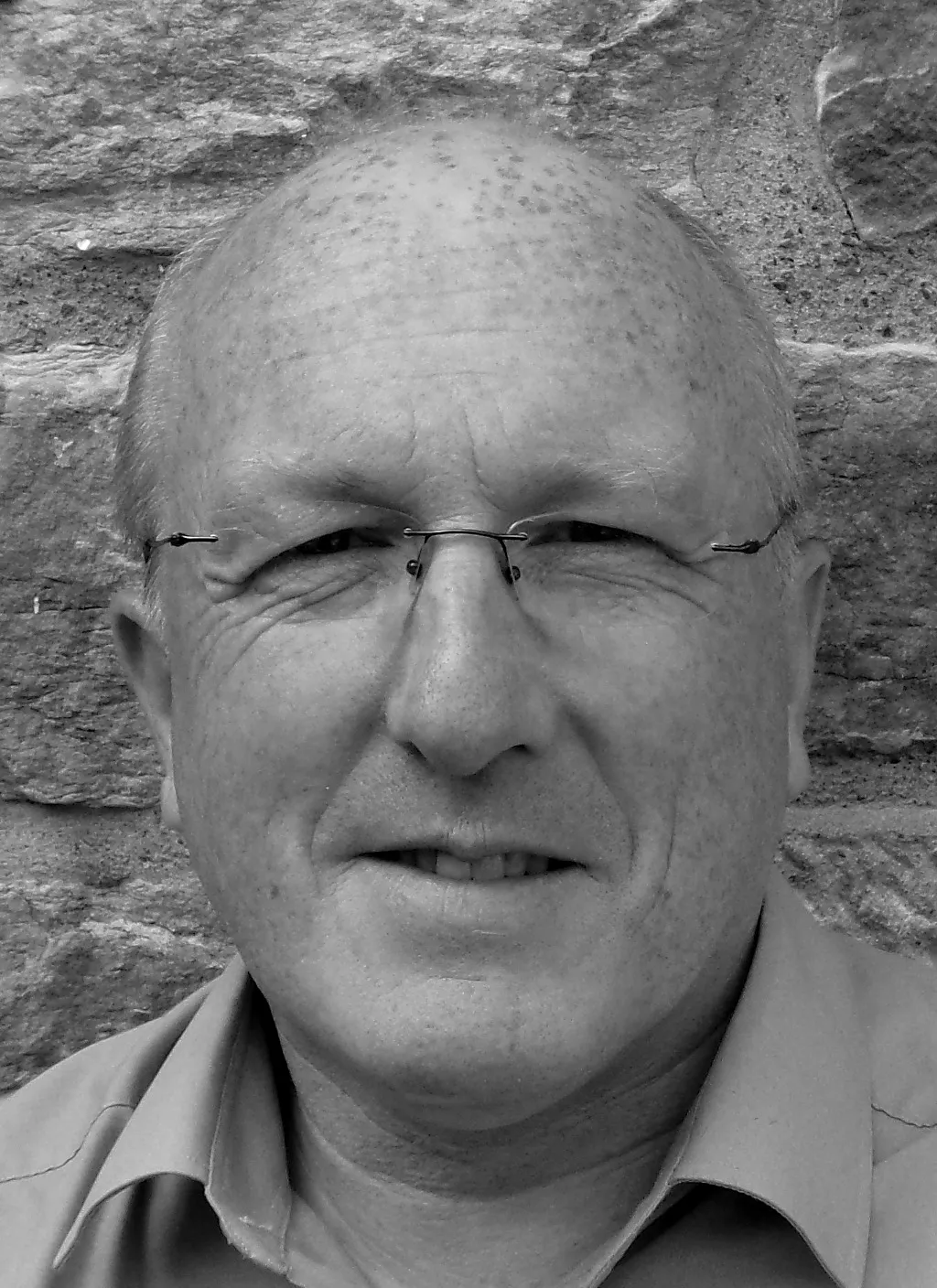
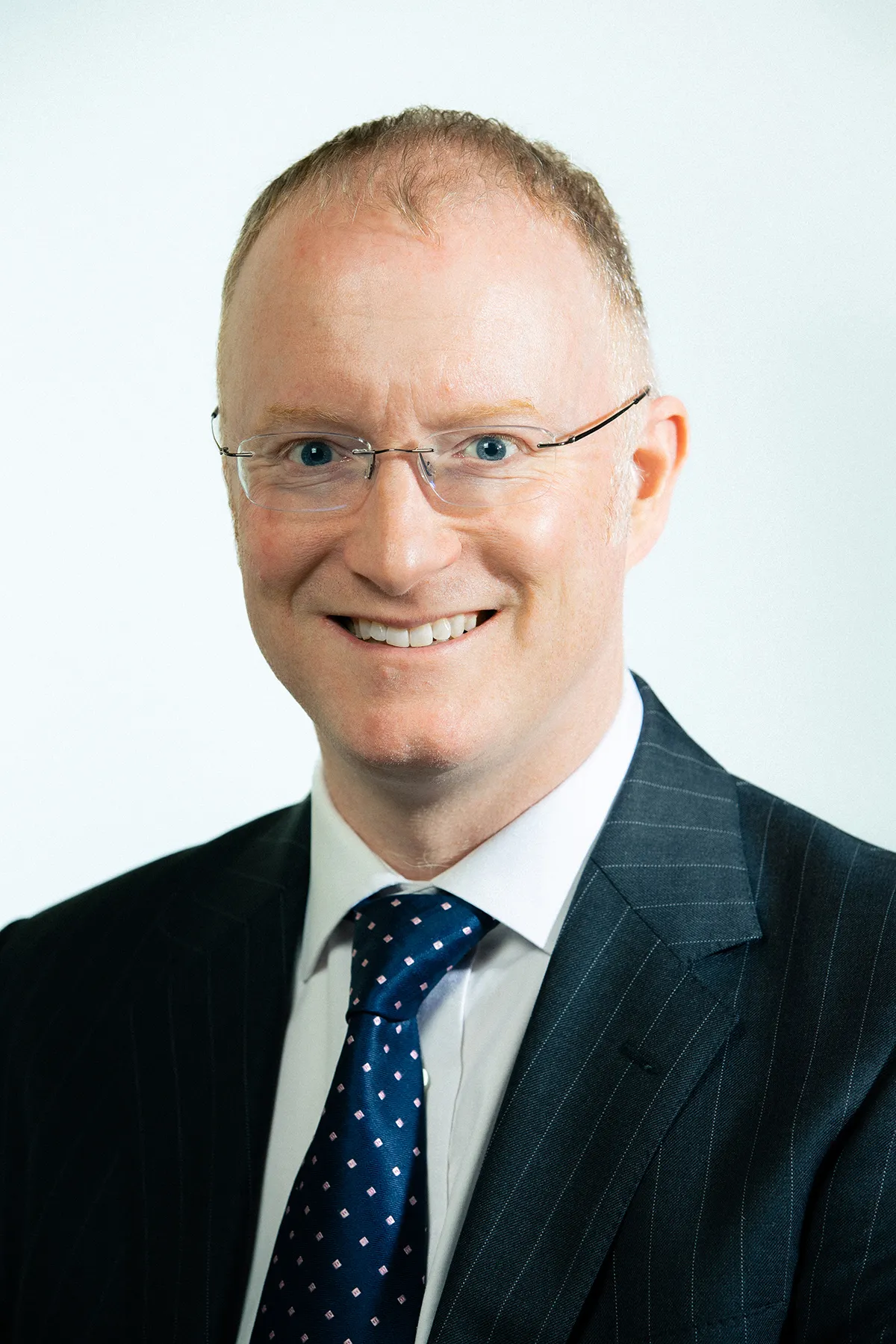
Professor Gareth Harrison holds the Bert Whittington Chair of Electrical Power Engineering at the University of Edinburgh. He has held a number of executive leadership roles in the School of Engineering, most recently as Head of School.
His research is focused on renewable energy integration within energy systems and he has built a reputation for the application of meteorological modelling and optimisation methods for energy network operation and planning. He was Associate Director of the EPSRC National Centre for Energy Systems Integration (2016-2022), Principal Investigator of the EPSRC Adaptation and Resilience in Energy Systems project (2012-2015), examining climate impacts on energy system resilience, and has been Co-Investigator on many EPSRC, Ofgem/InnovateUK Strategic Innovation Framework and EU consortia.
Professor Harrison is a Chartered Engineer, Fellow of the Institution of Engineering and Technology, Fellow of the Royal Society of Arts, Senior Member of the Institute of Electrical and Electronics Engineers and an Affiliate of the Association of Chartered Certified Accountants. He was a founding member and now Emeritus member of the Royal Society of Edinburgh Young Academy of Scotland. He is currently a member of the Scottish Science Advisory Council, Scotland’s highest level science advisory body.
Dr Julio Bros-Williamson is a Chancellor's Fellow in Net-Zero Buildings at the School of Engineering (SoE), Institute of Infrastructure and Environment (IIE). He belongs to the Civil and Environmental Engineering Discipline, joining the school in September 2021 contributing to research, consultancy and teaching. His post is co-funded by the universities Estates department and SoE, contributing to the research and knowledge transfer of net-zero performance through building performance, in-situ envelope testing, retrofit of existing buildings and development of Living Labs and Digital Twins of specific university buildings.
Julio graduated with a PhD from Edinburgh Napier University in 2019 with a thesis that examined the impact of climate change and longitudinal envelope performance dilapidation on dwellings in Scotland. He is an architect, with 15 years of industry experience, who graduated from the School of Architecture at the Marista University in Mexico City. He holds an MSc in Energy Efficient Building (distinction) from Oxford Brookes University and obtained his professional certification in 2003 as a Chartered Architect (Mexico) accredited by the Secretaria de Educacion Publica, allowing him to become a member of the Mexican College of Architects. In 2010 he took up the role as a Director and contributing member of the Scottish Ecological Design Association (SEDA) as well as becoming its Treasurer from 2015 to 2018.
Julio is passionate about the low carbon performance of new and existing buildings, as wells as the building envelope performance and post occupancy evaluation of building users. He has experience in the implementation, optimisation and use indoor air quality sensors, in-situ building performance tools as well as digital skills using point cloud scanners (FARO) to capture interior and exterior space into a .gbxml digital format transferrable to BIM. Julio is a trained and certified Commercial Operations Pilot (drones) after undertaking a competency assessment programme. He has extensive skills in the use of dynamic thermal modelling to deliver simulations of building designs.
Membership of Professional Body
Current roles:
Previous roles:
Relevant training:
Current roles:
Previous experience: