
Image
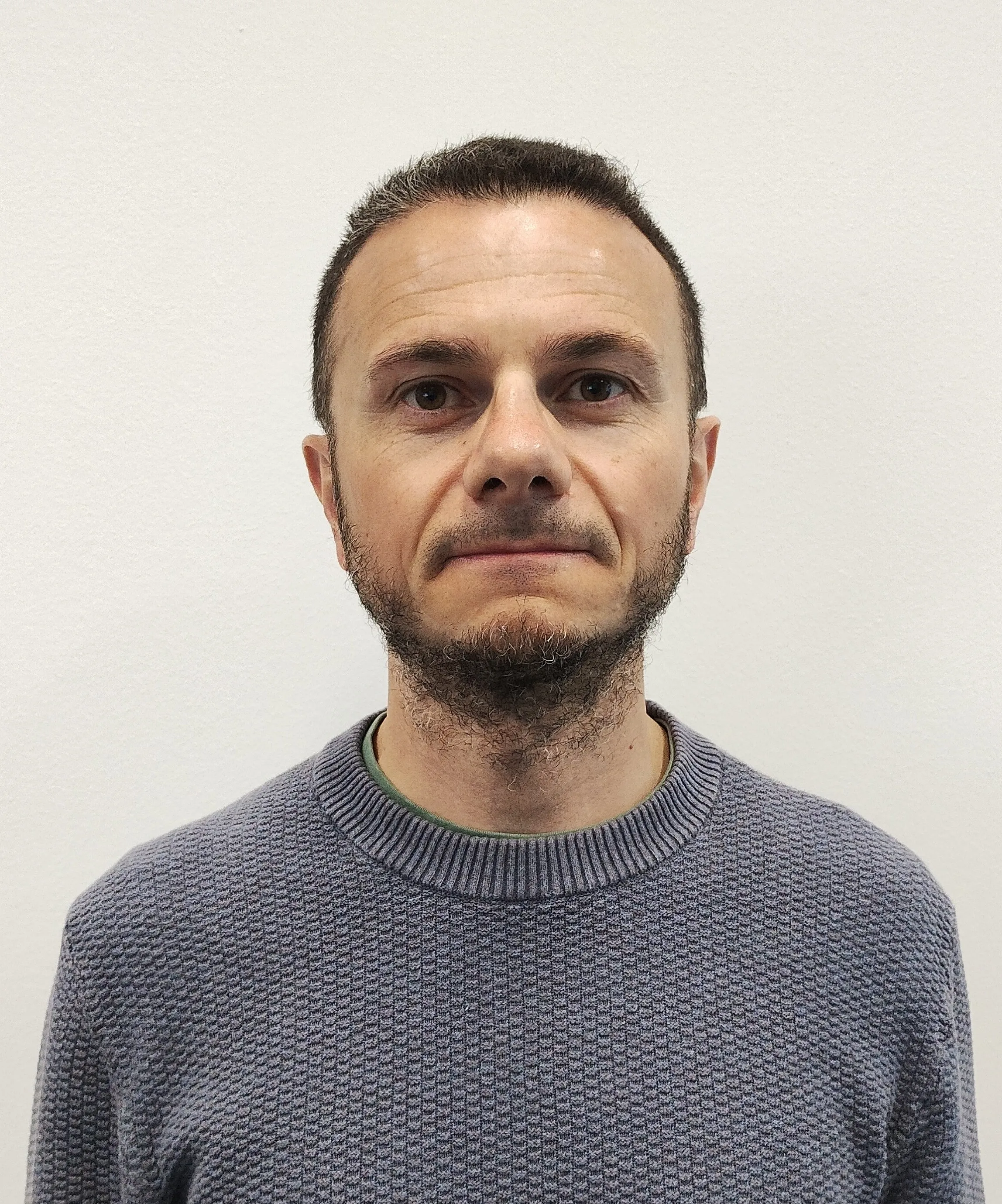
I lead the Emerging Sustainable Technologies Laboratory at The University of Edinburgh. The ESTech Lab forges the future generation of sustainable energy and separation technologies.The ESTech Lab invented unanticipated solutions for negative emission separation technologies (low grade heat-powered CO2 capture&concentration from the air and hydrothermal carbonisation) along with other emerging heat-powered devices for water and cooling in data centres.The ESTech Lab methods span from Thermodynamics to prototyping and testing, where Thermodynamics is used as an ignition to the design.In its inventions, the Lab often exploits nanoporous solids or ionic nano-interfaces because they make possible a number of processes otherwise nonviable, often unlocking unimaginable opportunities for sustainable living.
Member of the Senatus Academicus (Senate) of The University of Edinburgh
Editorial board member of:
The Innovation Energy (Innovation Press) since 2025.
Guest-Editor of Special Issues:
2020/21 of Energy (Elsevier) jointly with Prof. Ruzhu Wang (Deputy Editor-in-Chief of Energy) of the Special Issue on Solutions for Ultra-Low Temperature Heat Recovery and Utilization
Associate Editor of:
Frontiers in Thermal Engineering - Advancements in Cooling and Heating (Frontiers) since 2021
Low grade heat, thermal energy storage, adsorption heating and cooling, adsorption desalination, solar thermal energy, temperature swing adsorption, heat transformers, thermodynamics, heat transfer, ionic liquids, ionogels.
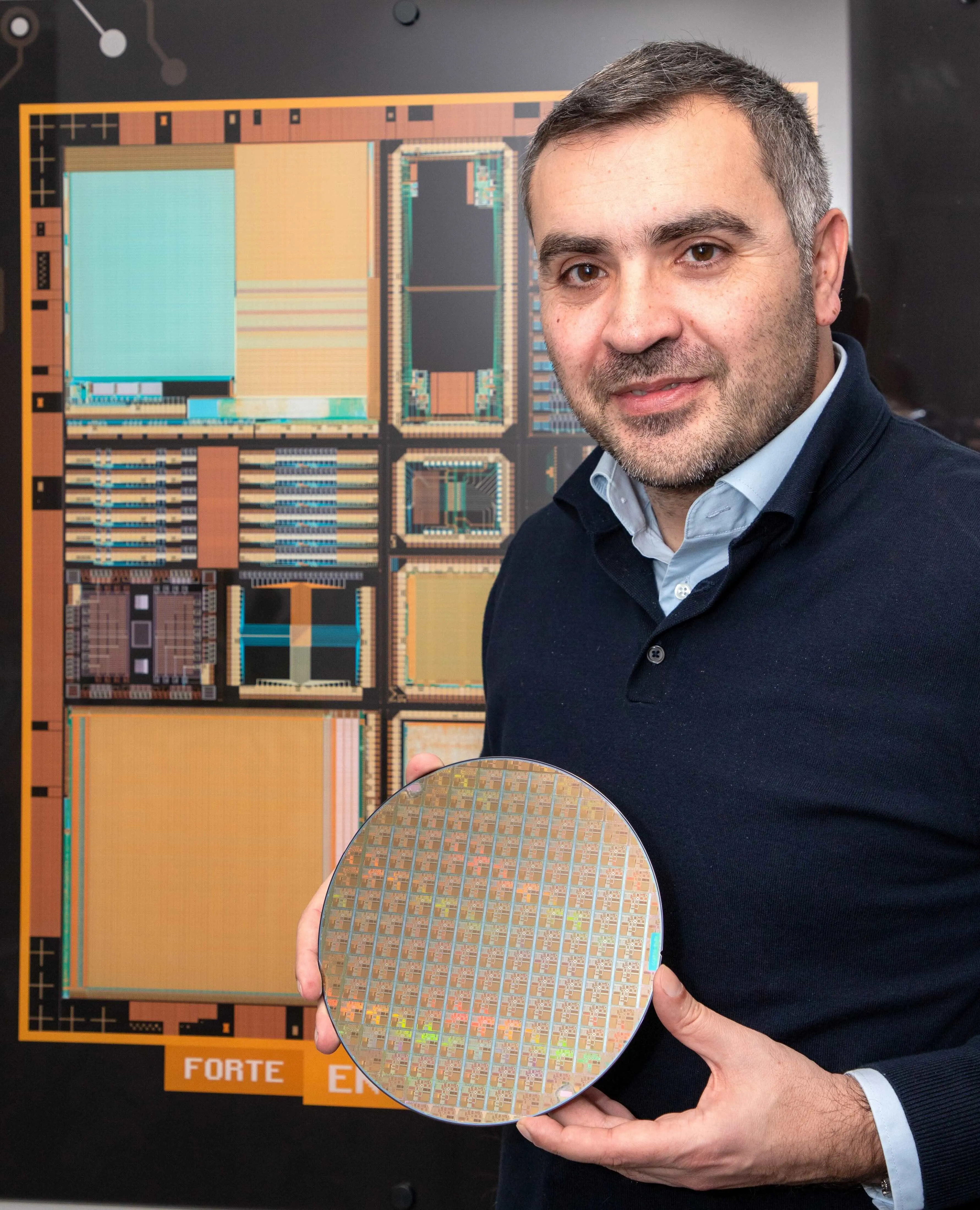
Themis holds the Regius Chair of Engineering at the University of Edinburgh where he established the Centre for Electronics Frontiers (CEF) and is currently the Head of the Institute for Integrated Micro and Nano Systems (IMNS) that also hosts the Scottish Microelectronics Centre (SMC). His work focuses on developing energy-efficient AI hardware solutions through innovating novel semiconductor technologies and neuromorphic computing architectures. He leads an interdisciplinary team comprising researchers with expertise across materials process development to electron devices and circuits and systems for applications in embedded systems and AI.
He holds a Royal Academy of Engineering Chair in Emerging Technologies and is an Adjunct Professor at UTS Australia and Honorary Fellow at Imperial College London. He is Fellow of the Royal Society of Chemistry, the British Computer Society, the IET, the Institute of Physics and member of Academia Europaea. He is the Director of the UKRI APRIL AI Hub that is developing AI tools and capabilities for the electronics sector. He also served as the Director of the Lloyds Register Foundation International Consortium for Nanotechnology and Co-Director of the UKRI Centre for Doctoral Training in Machine Intelligence for Nanoelectronic Devices and Systems (MINDS).
In 2015, he established ArC Instruments Ltd that delivers high-performance testing infrastructure for automating characterisation of novel nanodevices in over 26 countries and in 2025 he founded EVA that is building new power-efficient AI hardware solutions. His contributions in memristive technologies and applications have brought this emerging technology one step closer to the electronics industry for which he was recognised as a 2021 Blavatnik Award UK Honoree in Physical Sciences and Engineering and with the Royal Academy of Engineering Princess Royal Silver Medal in 2025.
PhD in Electrical and Electronic Engineering, “Application of Maxwell-Wagner Polarisation in Monolithic Technologies”, Imperial College London, UK.
MSc in Microelectronics and Telecommunications, University of Liverpool, UK.
BEng in Electrical and Electronic Engineering, University of Lincoln, UK.
Member Academia Europaea
Fellow Member (FBCS), The British Computer Society
Fellow Member (FRSC), The Royal Society of Chemistry
Fellow Member (FInstP), The Institute of Physics
Fellow Member (FIET), The Institution of Engineering and Technology
Member of the American Nano Society (ANS)
Member, Institute of Neuromorphic Engineering (IME)
Senior Member (SMIEE), Institute of Electric and Electronic Engineers
PGEE11195 - Engineering Research Methods with Grand Challenge
PGEE11038 - Microfabrication Techniques
Emerging Semiconductor Technologies for sustainable AI Hardware solutions (see Ingenia cover on his work as RAEng Chair in Emerging Technologies).
AI tools/capabilities for enhancing innovations in electronics and semiconductor technologies (see work as Director of the UKRI APRIL AI Hub).
AWARDS
2026 Honorary Doctorate, Department of Physics at the University of Patras, Greece
2026 Community Award (Highly Commended), APRIL AI Hub, RAI AI & Robotics Awards
2025 Princess Royal Silver Medal, Royal Academy of Engineering
2021 Blavatnik Award for UK Young Scientists in Physical Sciences & Engineering
2020 Chartered Engineer (CEng), Engineering Council
2019 Royal Academy of Engineering Chair in Emerging Technology – AI Hardware
2018 University Research Group of the Year finalist, TechWorks Awards
2018 University Research Award finalist: Memristor record, Elektra Awards
2017 Royal Society Industry Fellowship
2017 Lloyd’s Register Foundation 100A1 ambassador
2013 EPSRC Early Career Fellowship
2010 Lindemann Trust Fellowship
2008 Corrigan Foundation and LSI Inc. Fellowship in Nanoscale Science & Technology
2006 The A.G. Leventis Foundation Scholar
INSTITUTIONAL RESPONSIBILITIES
2026 – Head of Institute for Integrated Micro & Nano Systems, University of Edinburgh, UK
2024 – Data Driven Innovation (DDI) Programme Strategy Board, University of Edinburgh, UK
2022 – 2026 Director of Centre for Electronics Frontiers, University of Edinburgh, UK
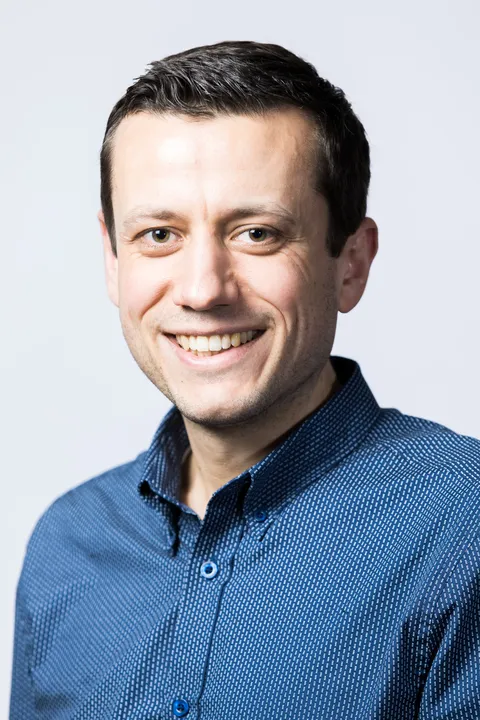
I am Professor of Fluid and Suspension Dynamics. My research focuses on the modelling and simulation of complex fluids on microfluidic scales, for example suspensions of deformable particles or red blood cells. I am teaching Chemical Engineering in the second year. I am the Co-Chair of the University's Research Cultures Forum.
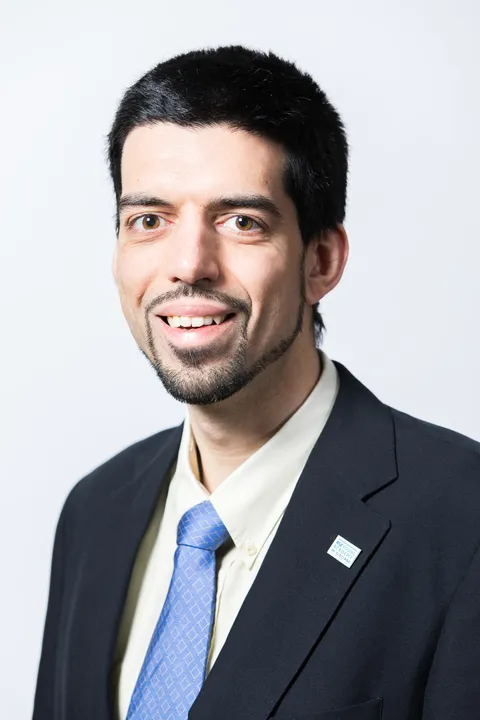
I lead a research group focused on developing and applying signal processing algorithms to biomedical data. Our main aim is to reveal the subtle changes that major diseases (e.g., Alzheimer's and epilepsy) cause in the brain activity and how this changes in different conditions and mental states.
In October 2013, I joined the Institute for Digital Communications, School of Engineering, as a Chancellor's Fellow in biomedical signal processing. I was tenured in August 2016 and promoted to Senior Lecturer in August 2020.
Previously, I held a post-doctoral position at the School of Computing and Mathematics of Plymouth University.
My training includes an MEng in telecommunications engineering from the University of Valladolid (Spain) in 2005 and a PhD in biomedical signal processing from the same university in 2010.

Dr. Chris Beckett joined the School in early 2017. His research interests are the advanced geotechnical and structural characterisation of stabilised and unstabilised unsaturated soils used as construction materials; geotechnical characterisation of agricultural soil constraints (compaction and water repellency); and centrifugal scale modelling of soil structural behaviour. He lectures in Foundation Engineering and holds an Adjunct Reseach Fellow position at the University of Western Australia.
PhD in Geotechnical Engineering, Durham University (2011)
MEng (hons) in Civil Engineering, First Class, Durham University (2008)

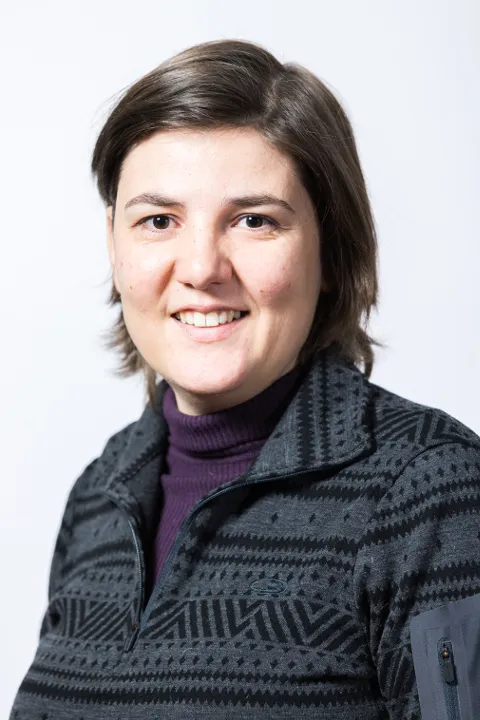
Andrea has a first degree in Chemical Engineering at the Instituto Superior Tecnico, Universidade Tecnica de Lisboa, Portugal, followed by an Industrial Placement at Fujifilm, former Avecia in Grangemouth working on dye purification for inkjet printers using membrane technology.
During her PhD in Environmental Engineering at the University of Edinburgh, she carried out extensive research focused on the removal of organic and inorganic trace contaminants from water (e.g. hormones, pesticides, uranium) using membrane technology. She subsequently participated in the AFFIRM project “Analysis of biofilm mediated fouling of nanofiltration membranes” funded by the European Research Council (ERC) under the EU Framework Programme 7 (project 278530; Total budget: €1.5M) in Ireland as a Post-Doctoral Research Fellow between 2012 and 2013. The work focused in understanding bacterial adhesion and biofilm formation on nanofiltration and reverse osmosis membranes.
Andrea’s current research projects focus on developing new technologies and materials for sustainable desalination, water and wastewater treatment processes with the aim of recovering a high yield of resources such as potable water, bioenergy and chemicals. Her projects involve:
Andrea’s research results have been published in several journals such as Water Research, Environmental Science and Technology, Advances in Colloid and Interface Science and Journal of Membrane Science.
2005 Five-year Diploma degree in Chemical Engineering, Instituto Superior Tecnico, Technical University of Lisbon (equivalent to 1st honours MEng)
2011 PhD in Environmental Engineering at the University of Edinburgh on the study of the adsorption and removal of endocrine disruptors by nanofiltration and reverse osmosis membrane processes.
Dr. Serb is a reader in Unconventional AI Hardware Technologies at the University of Edinburgh.
He is a MIET and SMIEEE.
He has led a grant portfolio of ~£2M worth of projects, including a DSTL contract for studying the feasibility of adiabatic capacitive neural networks and the UKRI New Investigator Award "ANAGRAM".
He has further been a co-investigator in UKRI MINDS CDT.
He has supervised 20+ PhD students and 6× postdocs. His research interests span across circuit and system design and AI, with particular focus on emerging technologies such as memimpedance elements.
He has published 50+ journal articles and 50+ conference papers, and filed 5× patents.
Furthermore, he is co-founder and CTO of ArC instruments ltd., a company that manufactures instrumentation for memimpedance device characterisation and testing (https://www.arc-instruments.co.uk/).
PhD degree in EEE - Imperial college, London, 2014.
MEng degree in BioMedical engineering - Imperial college, London, 2009
MIET - Member of the IET
SMIEEE - Senior member of the IEEE
ELEE08015 - Digital System Design 2
PGEE11136 - Applications of Sensor and Imaging Systems (component module leader)
@pjwhands

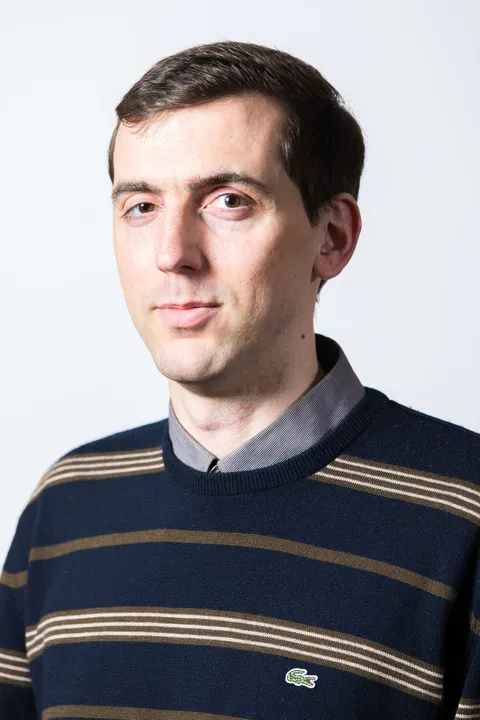
Fellow of the Higher Education Academy