Image
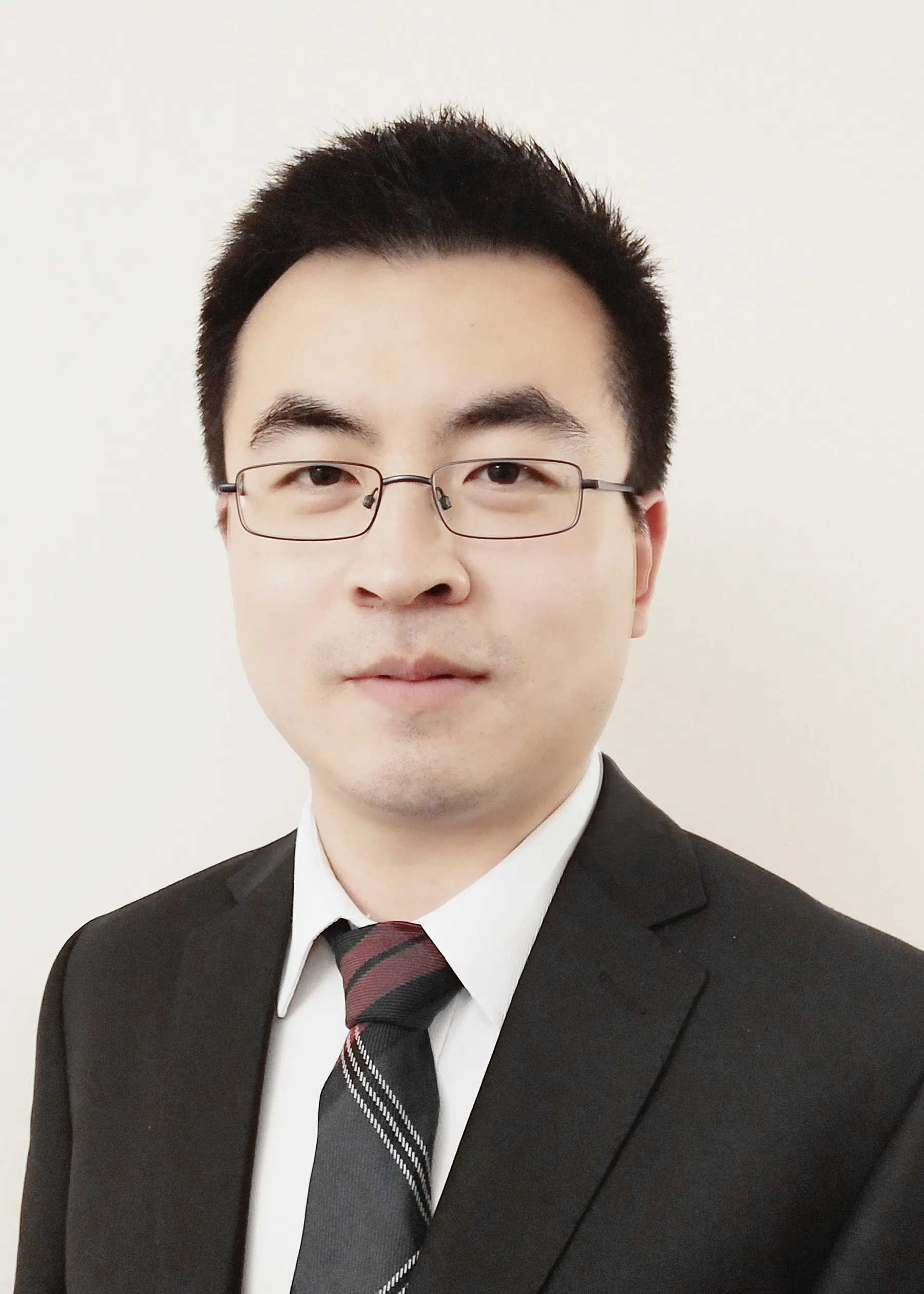
Dr. Yunjie Yang is a Senior Lecturer (Associate Professor) and Deputy Director of Research at the School of Engineering, The University of Edinburgh. He is also an affiliate of the Edinburgh Futures Institute (EFI), the Edinburgh Generative AI Laboratory (GAIL) fellow, and part of the Edinburgh Centre for Robotics. He was the Chancellor’s Fellow in Data Driven Innovation (2018-2023) and Bayes Innovation Fellow (2023-2024). He received his PhD in Engineering Electronics from The University of Edinburgh, MSc in Control Science & Engineering from Tsinghua University, and BEng in Measurement & Control Engineering from Anhui University. In 2018, he briefly worked as a Postdoctoral Research Associate in Chemical Species Tomography at the University of Edinburgh before securing the lectureship.
His research interests focus on AI-powered sensing and imaging, soft sensors & electronics, robotics, and embodied/physical AI. His research takes a highly interdisciplinary approach, integrating Sensors, Materials, AI, Tomography, and Robotics (SMART) to advance autonomous physical intelligence. It has led to over 150 peer-reviewed journal and international conference publications, many of which were published in high-impact journals such as Nature/Cell portfolio journals (e.g., Nature Machine Intelligence), IEEE TNNLS, TMI, TIE, and TII. His research has been licensed to overseas research institutes and industry partners and received wide media coverage, including BBC, EFE, USA Today and STV. He is the awardee of the prestigious European Research Council (ERC) Starting Grant (2024-2029) and ERC Proof of Concept Grant (2026-2027).
Dr. Yang serves as the Associate Editor of IEEE Transactions on Instrumentation and Measurement, IEEE Sensors Reviews, the Editorial Board Member of Scientific Reports, and a regular reviewer for over 70 high-impact international journals (including Nature, Nature Machine Intelligence, Nature Communications, PNAS, TRO, TMI, TIE, TII, TPAMI, AM). He served as the track/session chair of several international conferences and was frequently invited for keynotes/seminars. He is the recipient of the 2024 IEEE J. Barry Oakes Advancement Award (For demonstrated exceptional expertise, innovation and leadership in the field of Instrumentation and Measurement
), the IEEE I&M Society Distinguished Lecturer (2027-2029), 2015 IEEE I&M Society Graduate Fellowship Award, and multiple Best Paper/Poster Awards. He is a Senior Member of IEEE, a Fellow of the Young Academy of Europe (FYAE), a Fellow of the International Society for Industrial Process Tomography (FISIPT), and a Fellow of the Higher Education Academy (FHEA).
More information about the Yang Research Group: UoE SMART Group www.yangresearchgroup.com
Press coverage:
(Office: 1.13 Alexander Graham Bell (AGB) Building)
We welcome undergraduates, graduates, and postdocs who are interested in joining our group. Please feel free to contact me.
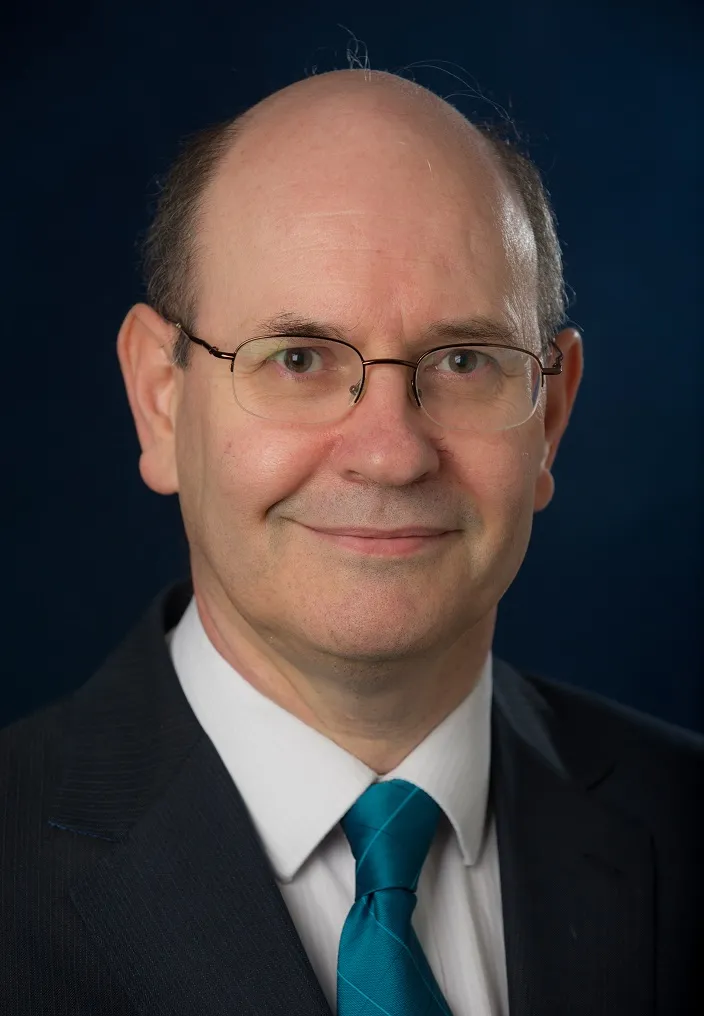
I became Professor of Interfacial Science & Engineering in Edinburgh in 2020 (and was Director of Chemical Engineering from 2020 to 2024) after eight years at the University of Northumbria at Newcastle where I was first Executive Dean of the Faculty of Engineering & Environment and then Pro Vice-Chancellor (REF). Prior to that I spent twenty two years as an academic at Nottingham Trent University where I was a Professor and Head of the Research & Graduate School (Science & Technology) in the College of Arts & Science and formerly Head of Physics & Mathematics. In my earlier career I held a Royal Society European Fellowship at the University of Paris VI (Pierre et Marie Curie) and both gained a PhD in Applied Mathematics and was awarded a BSc (Hons) First Class in Mathematical Physics by the University of Nottingham.
My research involves wetting, interfacial science and engineering and is undertaken as part of the Institute for Multiscale Thermofluids. It has attracted many funding awards including over twenty RCUK/EPSRC grants, mainly as Principal Investigator, and including both an EPSRC Platform Grant (awarded only to world-leading groups) and an EPSRC Centre for Doctoral Training. I have published over 250 refereed journal papers, which are cited over 1000 times annually (Google Scholar), and have been awarded seven patents. I am a Fellow of the Royal Society for Arts, Manufactures & Commerce (FRSA), a Fellow of the Higher Education Academic (FHEA), a Fellow of the Institute of Physics (F.Inst.P) and a Senior Member of the Institute of Electrical & Electronic Engineers (SMIEE). I am a member of the EPSRC Peer Review College and lead a UK Fluids Network Special Interest Group. I have previously been a Board Member of the Award Winning BIM Academy Enterprises Ltd, an Editorial Board member of Advances in Colloid & Interface Science and a UK Management Committee representative on COST Actions. I was a member of sub-panel 13 ("Electrical and Electronic Engineering, Metallurgy and Materials") for the UK Research Excellence Framework (REF2014) and I am Deputy Chair of sub-panel 9 ("Physics") for REF2029.
Areas of research include smart and advanced materials, functional surfaces, static and dynamic wetting of surfaces (theory and experiment) and acoustic waves (fundamentals and sensor applications). These are encompassed within three broad categories,
Applications include heat and mass transfer, evaporation and condensation, friction and drag reduction, and fluid dynamics and microfluidic systems.
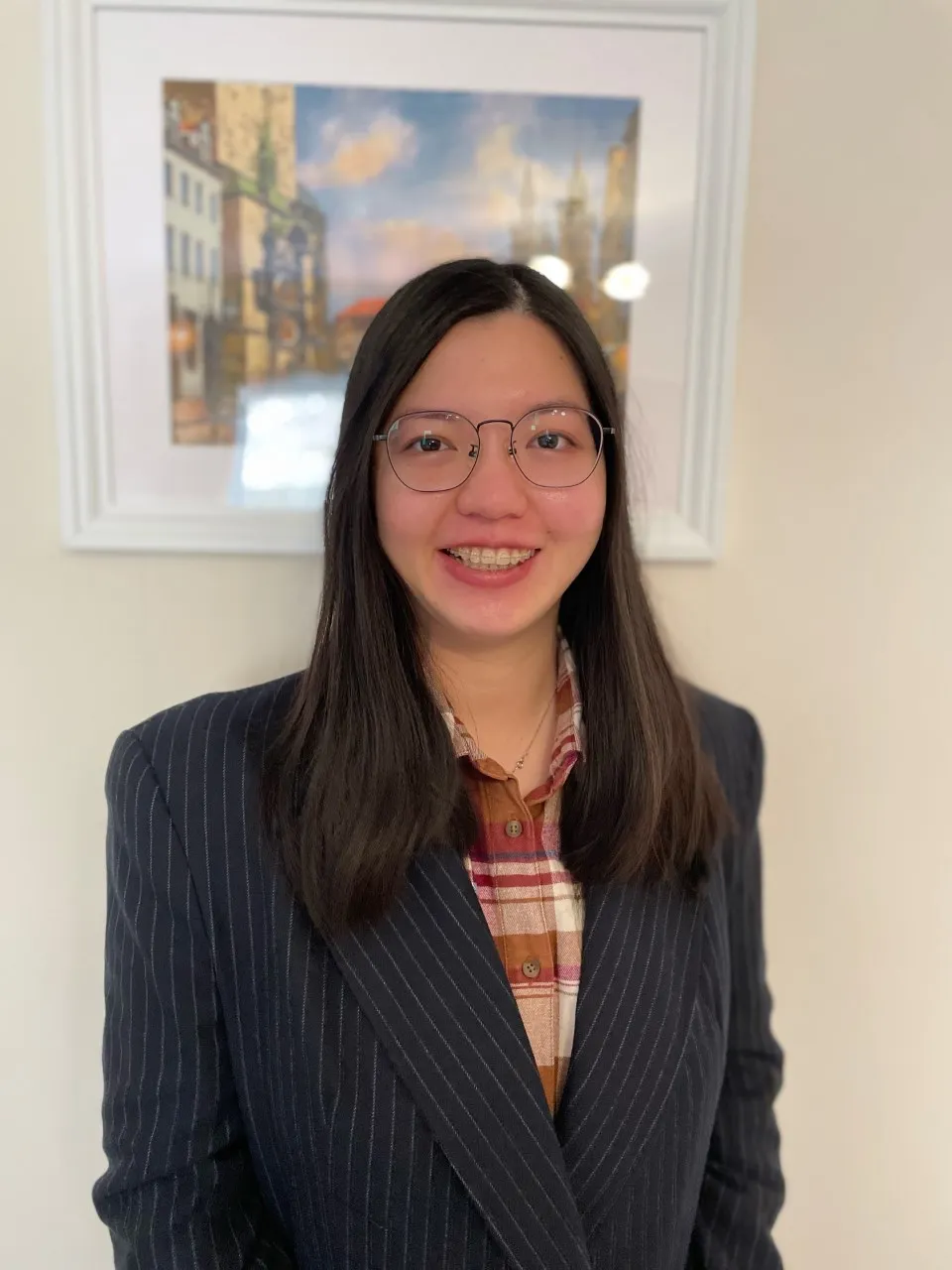
I graduated from the University of Science Malaysia with a B.Eng. in Materials Science & Engineering and achieving a First in 2011. In 2013, I received the prestigious Warwick Chancellor's International Scholarship to carry out my Ph.D. research in Chemistry at the University of Warwick, UK, exploring carbon nanomaterials for electroanalysis and electrocatalysis. In 2017 I began a Knowledge Transfer Partnerships (KTP) postdoctoral research associate in the Department of Chemical Engineering and Biotechnology at the University of Cambridge, UK, working on novel porous materials for electrochemical gas sensing. I joined Warwick Manufacturing Group (WMG) at the University of Warwick in 2019 as a Research Fellow working on the development of lithium ion technologies (lithium ion battery and lithium ion capacitor). In 2020, I joint Teesside University to take up an appointment as a Lecturer (then promoted to Senior Lecturer in 2022) in Chemistry at School of Health & Life Sciences, working primarily on electrochemical sensor (biosensor and environmental sensor).
I joined the School of Engineering at The University of Edinburgh as a Lecturer in 2022. I am affiliated with the discipline of Chemical Engineering and I am a member of the Institute for Bioengineering, where I carry out research in the area of nanoscale/microscale electrochemistry, electroanalysis, electrocatalysis, development of electrochemical sensor (biosensor and environmental sensor) and electrochemical energy storage.
My work has been published in reputable journals such as Nature, ACS Applied Materials & Interfaces, Carbon, Journal of Physical Chemistry C, Physical Chemistry Chemical Physics, and Journal of Electroanalytical Chemistry. I have received several awards, including the Best Oral Prize at the RSC Materials Horizons Symposium (2025), poster and oral presentation prizes at Warwick (2015–2016), the Gold Award in British Invention Show (BIS, London, 2011), the Romanian Best Innovation award in BIS (London, 2011), the Gold medal Award in National Research and Innovation Competition (NRIC, Malaysia, 2011), and the Sustainable Green Technology Award in NRIC (Malaysia, 2011).
In 2019, being awarded the prestigious Talented Program organised by Hebei (China), I aim to facilitate interdisciplinary collaborations on electrochemical sensors with Hebei University of Technology and Shanghai Jiao Tong University.
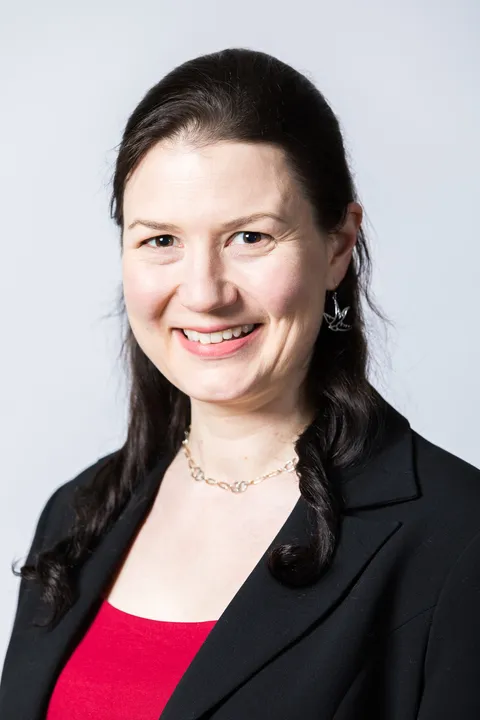
An Electrical and Mechanical Engineer by training, Camilla now teaches about sustainable energy and researches the environmental impacts of energy. Currently this mostly involves developing better tools and techniques to analyse the climate change impact or carbon footprint of changes to the electricity system: whether new renewable energy developments, new transmission lines or even new market operations.
Camilla is a Co-Investigator in the EnergyREV project, leading the work package on developing a Multi-Criteria Assessment tool for Smart Local Energy Systems. She is also the Deputy Co-ordinator on the NEWEST-CCUS project, and is leading a multi-disciplinary international team on the specific task of robustly quantifying the atmospheric-carbon-reduction-potential of waste-to-energy plants with carbon capture and storage.
Camilla is also a keen advocate for diversity in Engineering. She is the founding chair of the School's Molly Fergusson Initiative, and was named one of the Top 50 Women in Engineering - Sustainability in 2020.
Her pronouns are she/her.
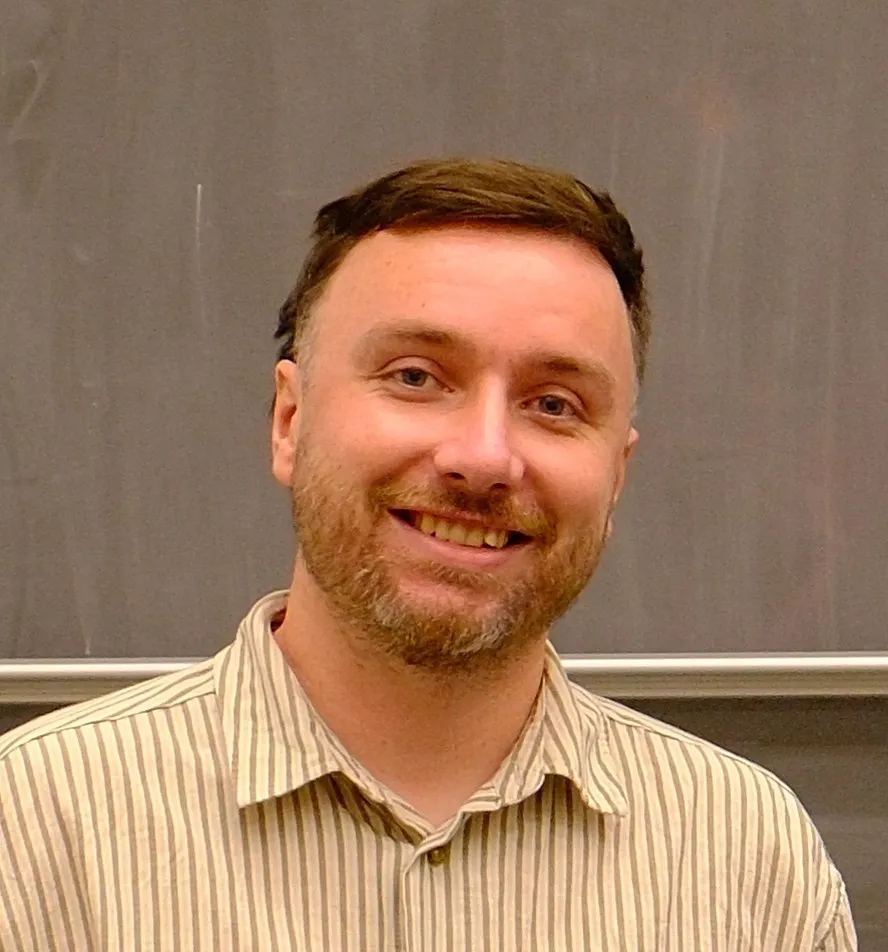
Dr Andrew Lyden is a Lecturer in Energy System Economics and Management within the Institute for Energy Systems. His research focus is on advancing open-source energy system science including data, models, and outputs. He is working on research and consultancy projects related to net-zero electricity markets, integrated multi-energy (electricity, heat, transport, food, water) markets and models, decarbonised district heating and cooling, and long-term energy storage technologies (e.g. underground thermal energy storage).
As part of his work on the INTEGRATE project (which focussing on modelling of the integration of multiple energy sources with seasonal thermal energy storage to decarbonise heat), he developed a transmission network model of the GB power system, PyPSA-GB, which can model historical years and National Grid's Future Energy Scenarios. During his PhD he worked on modelling local energy systems with particular interest on the optimal design and control of heat pumps and thermal storage. As part of this work he developed the open-source tool PyLESA (Python for Local Energy Systems Analysis). He has previously worked on numerous research and industry projects including topics such as future district heating design, community energy masterplanning, and virtual power plants.
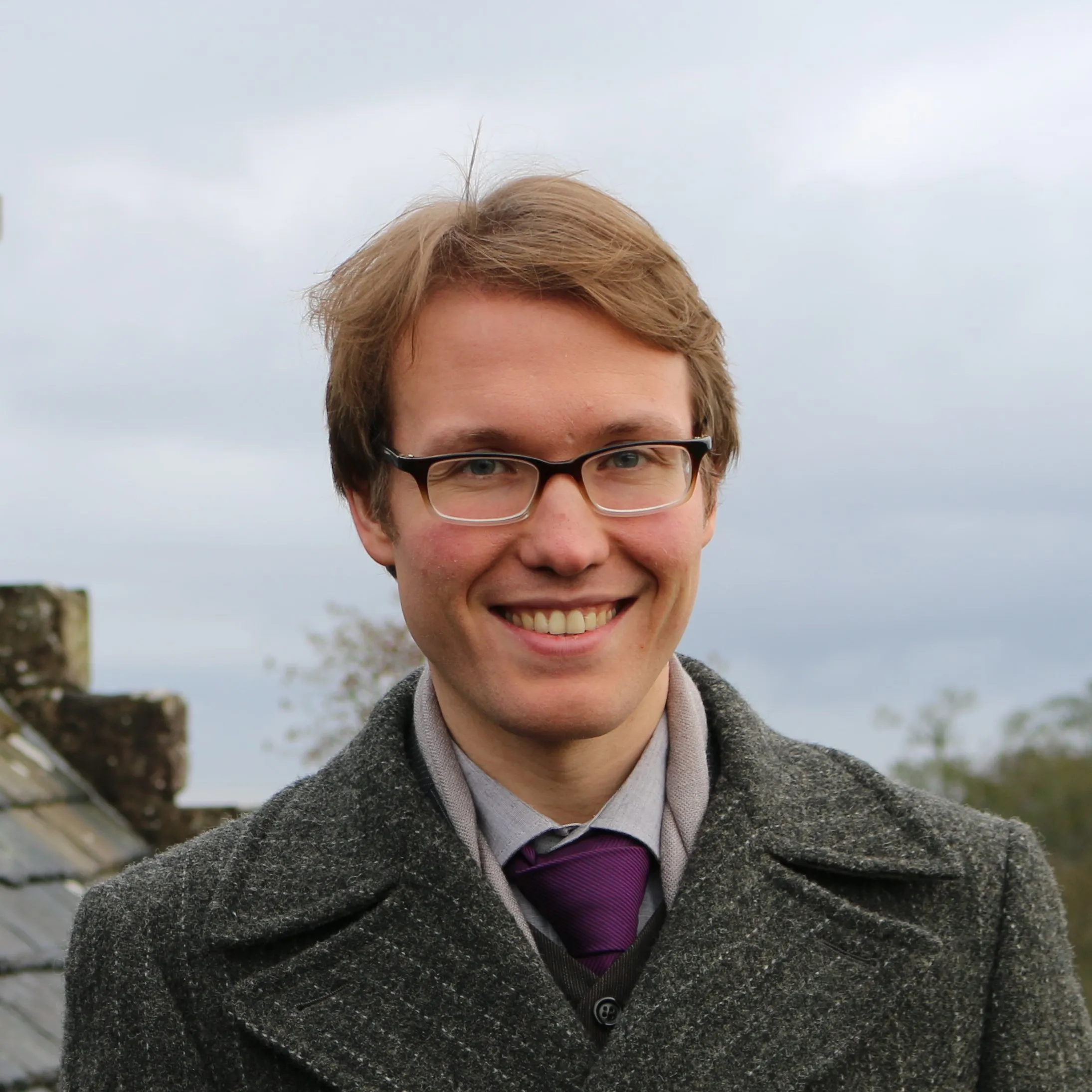
I am Lecturer in Engineering Management, based in Mechanical Engineering and the Institute for Materials and Processes. I lead the Open Engineering Group.
I am Co-director of the Institute for the Study of Science, Technology and Innovation (ISSTI) and of The New Real research programme and creative community.
I research and teach innovation process management, organisational learning and future design, and I coordinate the School of Engineering's Space and Satellite portfolio of projects as well as entrepreneurship and socio-economic research themes within The Edinburgh Space Hub.
I co-coordinate several academic networks, in particular Social Dimensions of Outer Space, Social Network Analysis Scotland, and Social Studies of Outer Space.
You can find out more info on my personal research blog: https://blogs.ed.ac.uk/vidmar/
I am course organiser of the following courses:
I am currently not accepting any new MSc or PhD students as main supervisor.
I am otherwise open to supervising PhD and MSc projects in innovation process management, organisational development, interdisciplinary engineering, futures design, technology strategies and prototyping methodology, especially in the fields of space and satellite, artificial intelligence and creativity, and biotechnology.
My research centres on innovation management processes, entrepreneurship and organisational learning at the forefront of high-tech (systems) engineering, especially in space and satellite, artificial intelligence and creativity, and biotechnology.
My particular interests are in innovation (eco)system development through innovation intermediation; development of collaborative R&D tools and processes; and in the use of futures design and systems thinking.
I lead the Open Engineering Group, working on projects ranging from theoretical research to working on direct applications with industry and strategic / policy consultancy and training.
Recent publications can be found at Edinburgh Research Explorer