
Image


Dr Winifred (Wini) Obande is a Royal Academy of Engineering Research Fellow and Lecturer in Sustainable, Multi-functional Composites.
She leads the Circular Composites Engineering Group, focusing on the development of resource-efficient, lightweight materials. Her research embeds life-cycle thinking and life-cycle assessment (LCA) to inform the sustainable design and selection of materials and manufacturing processes. She is particularly interested in valorising waste and bio-based feedstocks as alternatives to virgin materials in composite applications. Her work includes testing for functionality and durability to benchmark the performance of these novel materials.
She serves on the SAMPE UK & Ireland Committee and is a founding member of the Edinburgh Materials Society, an IOM3-affiliated local society.
I am open to enquiries from postgraduate research students, postdoctoral researchers, visitors, and industrial collaborators
I welcome applications from self-funded candidates whose research proposals closely align with my areas of interest. Candidates may also wish to explore available University of Edinburgh Scholarships.
Prof. Lindsay Beevers joined the University of Edinburgh in January 2022 as the Chair in Environmental Engineering. She is a Civil Engineer with over 20 years’ experience and is author to over 50 peer reviewed journal papers in high impact journals, and 6 book chapters.
She has worked both in industry as an engineer (Jacobs 2003-2007) as well as in academia. From 2007-2010 she worked in the Netherlands at UNESCO-IHE Institute for Water Education (now known as IHE Delft) where she was involved in education, capacity building and research projects in river systems across the world. Most of her work was focussed in Africa on the Nile and the Zambezi basins, and Asia on the Mekong river. In 2010 she joined Heriot-Watt University and in 2016 was awarded an EPSRC LWEC Challenge Fellowship to focus on Water Resilient Cities, focussing on climate change uncertainty and how we can adapt to its impacts for UK cities. In addition she was involved in research on climate change impacts to water resources across India, Sub-Saharan Africa and South America.
PhD: Civil Engineering - University of Glasgow: Morphological sustainability of estuarine barrages
M.Eng: Civil Engineering with Geology - University of Glasgow
PGCert: Academic Practice - Heriot Watt University
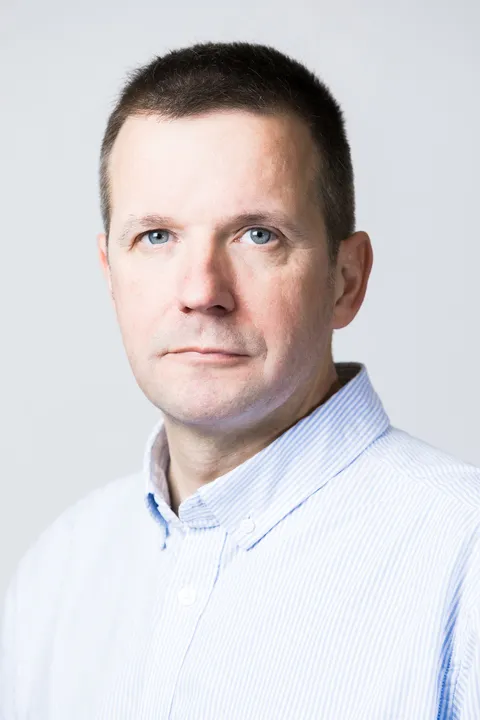
Dr Jonathan G. Terry is the Deputy Head of the Engineering Graduate School at the University of Edinburgh. He joined the School of Engineering in early 1999 as a Post-doctoral Research Associate and later became a Chancellor’s Fellow. He currently lectures in the Electrical and Electronic Engineering Discipline teaching undergraduate students in the 1st, 3rd, and 4th year, as well as those within the MSc Electronics programme.
He is based in the Institute for Integrated Micro and Nano Systems, where his current research activities are in the production of smart sensor systems, exploiting the extensive toolset in place at the fabrication facilities of the Scottish Microelectronics Centre. These involve the development and use of novel fabrication processes and materials, and their integration with post-processed foundry CMOS circuitry. To date, his research has included the development of sensing systems for physical, biological, chemical, medical, astronomical and harsh environment applications.He is a named inventor on three patents and has authored over a hundred journal and conference publications.
Recent and current funded research projects include:
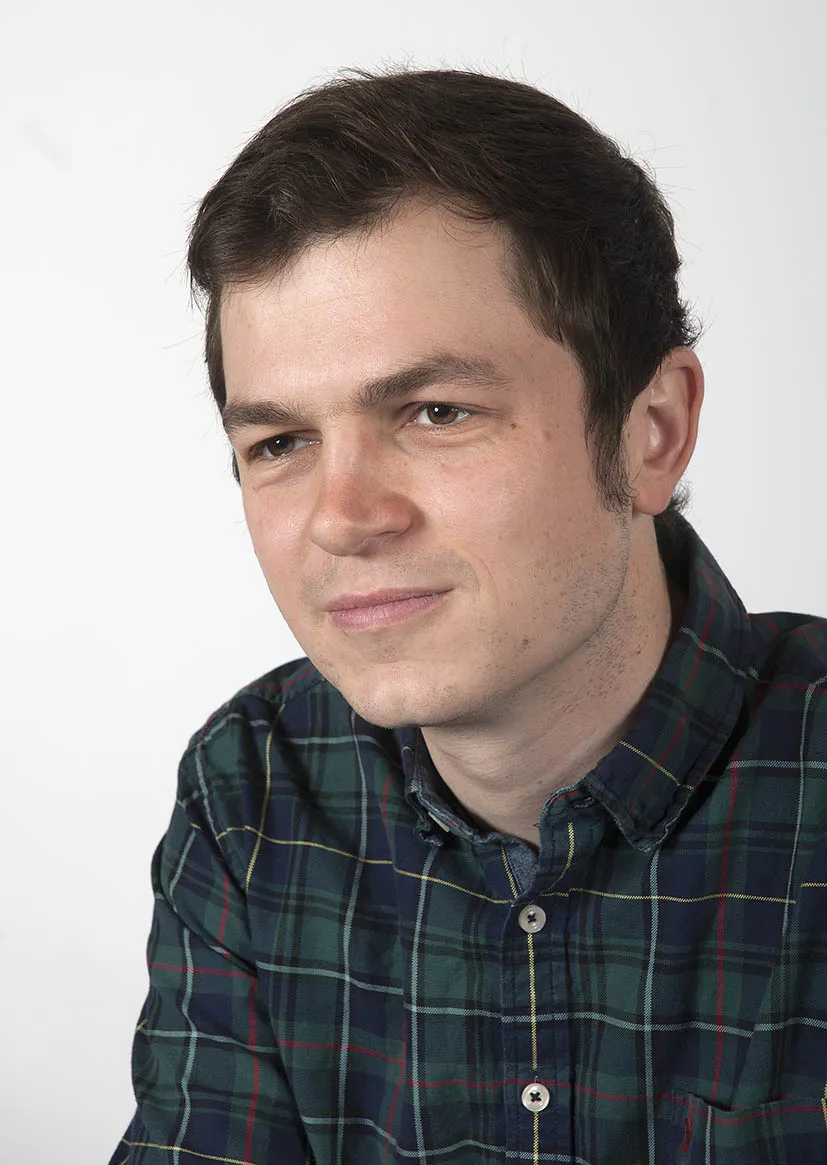
I am a Reader in Chemical Engineering, investigating various aspects of soft matter including suspension rheology and granular materials. I am available for industrial consulting projects in any area related to suspension rheology (see my publication list here) and I am also recruiting PhD students.
Rheology, soft matter, granular matter, particle-based simulation
I am available for consulting projects in the fields of suspension rheology (colloids, granular suspensions) and gelation. I have experience of modelling fundamental flows that elucidate the relationships between formulation (particle shape, size, surface details) and processing and also in modelling processes such as wet milling and extrusion.
I am currently recruiting PhD students and may have funding available.
Please get in touch by email for further information.
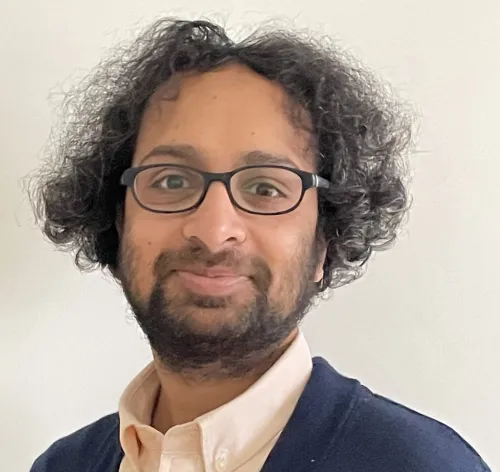
Amer is a mechanical engineer with interests primarily in the area of fracture mechanics. He is particularly interested in deformation and damage mechanics of complex materials. The focus of his work is on the understanding of micromechanics of fracture to inform the macroscopic behaviour of materials. He has previously worked on the mechanics of deformation and damage in coal- which is one of the facinating materials to work with as the mechanical behaviour is influenced by the adsorption and advection taking place in the pore spaces and cracks (cleats) at multiple length and time scales. His recent work has been on micromechanics of geomaterials where he developed experimental techniques to acquire information on micromechanics through direct imaging conducted at X-ray and neutron beamlines.
Amer's current focus is to enhance the current understanding of micromechanics of deformation and damage of composite materials for improved design and damage prediction.
PhD Earth Science and Engineering, University of London for work undertaken at Imperial College
MS Ocean Engineering, Indian Institute of Technology Madras, India
CEng, MIMechE
Amer is interested to hear from potential PhD students interested in working in the area of micromechanics of composites. An advert for a potential position will be released shortly.
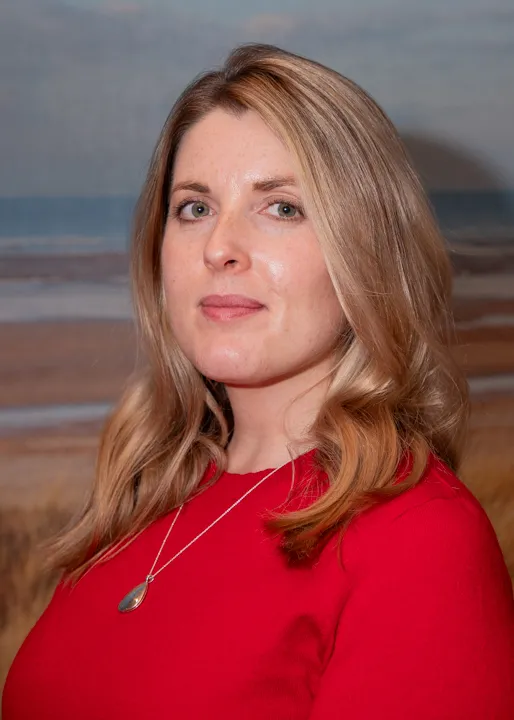
We are always open to new collaborations and students. If you have any enquiries please email rhiannon.grant@ed.ac.uk
Dr Grant is happy to speak at public event and is particularly committed to encouraging women and girls in STEM. If you'd like her to speak at your school, workplace or event please send an email!
We maintain strict commitments to the reduction, refinement and replacement of animal models throughout our work.
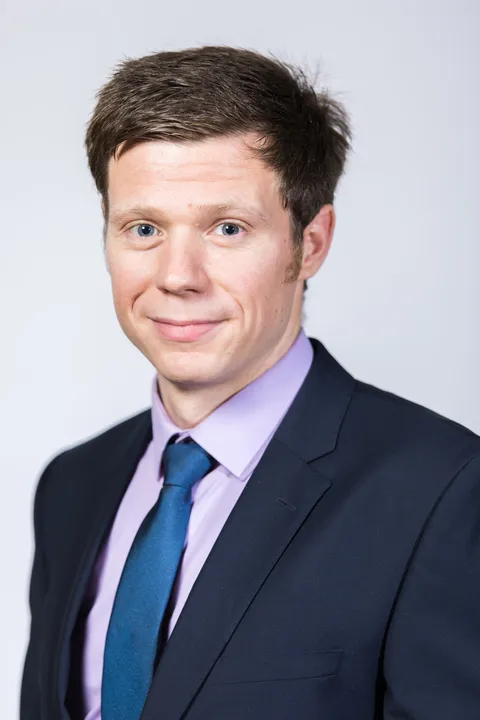
I am a Lecturer in Mechanical Engineering within the Institute for Energy Systems (IES) at the University of Edinburgh. My background is in energy storage, marine energy testing facility design, and turbomachinery.
My current main interest is energy storage, which will be a key component in the low carbon sustainable energy systems of the future. Energy storage is currently the missing link between energy use and the temporal variation in the power supplied by renewable generation. I am currently working to resolve some of the key challenges related to energy storage, recovery and engineering at ultra-high temperatures. Storage at such temperatures would unlock energy densities superior to mechanical and comparable to electro-chemical methods, whilst not being limited by location or cycle degradation, or the need to use rare construction materials.
My other interests include improving our ability to generate sea-representative conditions within experimental facilities. To this end I have pioneered the “isolating inlet” and the “water-wave filter”: the isolating inlet allows waves and currents to be combined at greater speeds than ever before whilst maintaining realistic turbulence levels; the water-wave filter is the first useful tuneable passive filter known in fluid dynamics and can be used to remove the high frequency reflected waves that cannot be absorbed by a force-feedback wave-maker, consequently improving test realism and accuracy. Both discoveries have allowed step changes in test tank capabilities and are enabling technologies for fully 3D combined current and wave test tanks like FloWave. My current research in this area is focused on combining wind, wave and current flows accurately within experimental test facilities.
My doctoral work involved “Computational investigations into offtake flows with application to gas turbine bearing chambers” and was undertaken with Rolls-Royce at their University technology centre at Nottingham University.
I have worked extensively in industrial environments and have extensive design and project management experience in the aerospace sector. Having created numerical design tools for Rolls-Royce and worked on the bearing chamber cooling and lubrication system development within the Trent 1000 and BR725 engine programs. Earlier in my career I was employed as a project manager within the Rolls-Royce supply chain. I began my profession in engineering as a technical apprentice in press tool design. I am proud to have been awarded Chartered Engineer status and elected a member of the ImechE in recognition of my work in industry and academia.
Postdoctoral research associates
Dr James Young
“Materials for ultra–high temperature in energy storage and energy recovery”
Thermal energy storage has been limited, until now, to temperatures around 800 K. If this storage temperature can be raised without incurring unacceptable thermal losses, energy density and conversion efficiency to electricity could reach a point where grid-scale thermal storage becomes technically and economically attractive. At ultra-high temperatures (1800 K) radiative losses dominate. Although these emissions can be reduced, there is a limit beyond which energy losses can only be recovered through a heat pump. For a heat pump to survive these challenging temperatures, new materials and approaches are required to produce the critical components such as compressors, turbines and heat exchangers. To achieve high efficiency, compressors and turbines have highly stressed blades operating at elevated temperatures. For heat exchangers to achieve maximum surface area and therefore energy transfer within a compact volume, they must have a thin-walled honeycomb structure. The most important failure modes that must be considered at ultra-high temperatures include creep, oxidation, thermal shock, and fracture. These have been investigated in this project along with microstructural changes, wear and erosion, vibration, fouling and fatigue.https://www.eng.ed.ac.uk/about/people/mr-james-young
PhD students
Thibaut Desguers
“Ultra-high temperature heat transfer analysis and thermal insulation design”
With the advent of ultra-high temperature technologies (e.g. thermal energy storage), novel insulation designs are needed to prevent energy losses which can occur through convection, conduction or radiation. While a vacuum is an efficient solution against the former two, the latter proves more challenging. Within this framework, my work focuses on the theoretical, numerical and experimental modelling and analysis of mixed ultra-high temperature heat transfers in non-grey, semi-transparent and evacuated composite structures with temperature-dependent thermal conductivities. Specific geometries are studied that would provide both efficient high-temperature thermal insulation and sufficient mechanical support to sustain their surrounding structures
Aldo Eyres
“Modelling and optimisation of gas-solid heat exchangers”.
A modified Brayton cycle is employed to extract energy from the UHTS system. This cycle has been modified such that its source of heat is the high temperature core instead of a typical combustion chamber. Gas-solid heat exchangers are used to transfer heat from the solid core to the working fluid in the cycle. In order to optimise these heat exchangers, I am producing a numerical design tool that will predict the heat transfer rates and working fluid pressure losses for a specified heat exchanger design.
Haris Hussain
"Feasibility study of integration of UHTS with electrical grids "
This project aims to develop a numerical time-domain energy system model for optimization of ultra-high temperature thermal energy storage operated within national electrical grids. The performance evaluation is based on various relevant elements such as heat and electricity demand profiles, share of renewable energies in the system, charging/discharging cycle behavior, UHTS plant sizing and layout, operational reliability and cost competitiveness. This will lead to a deeper understanding of all relevant parameters, variables and constraints which contribute to optimum operation and design of ultra-high temperature thermal storage system at grid level.
Tarek Abdelsalam
“Ultra-High Temperature Thermal Energy Storage for Concentrated Solar Power”
This project investigates the potential of integrating a novel Ultra-High Temperature (>1500 K) thermal energy Storage (UHTS) system with concentrated solar power (CSP) technologies. This involves tackling technical challenges that restrain current CSP technologies from operating at temperatures higher than 1000 K. This integration will not only improve the economic feasibility of UHTS through sharing infrastructure and storing heat directly at point of generation but should also enable CSP power cycles to operate at a much higher temperature, which can have substantial thermodynamic benefits (theoretically estimated to enhance the thermal efficiency of power generation by 50%).
Sebastian Hudson
“Integration of an Ultra-High Temperature Energy Storage System into Conventional thermal Power Generation Sites.”
Description: This project investigates implementation of an Ultra-High Temperature Thermal Energy Store (UHTS) at existing power generation sites. The store may be discharged through the heating of an air stream which may provide an alternate heat source to power a turbine, reducing the fuel requirement. The benefits are to be quantified by the effect on the flue gas composition, investigated with the use of Computation Fluid Dynamics and validated with experimental data. The required alterations to existing turbines to allow the system to successfully operate are also to be outlined and designed.
James Ferguson
As second supervisor:
William Jamieson “Materials & Manufacturing Optimisation for Curved Wave Energy Device”
Sam Thompson
Istvan Gyongy received the M.Eng. and Ph.D. degrees from the University of Oxford, UK, in 2003 and 2008, respectively. Following a period in industry, where he worked on processors for smartphones and a cloud-connected activity tracking system for dairy farms, he joined the University of Edinburgh. His initial research at the University was on hydrodynamic modelling relating to the development of FloWave, the combined wave and current test facility. His research is now focused on the development of single-photon avalanche diode (SPAD) cameras and their application in a range of domains including LIDAR and the life sciences.
Role: Principal Investigator and research group lead.
Lab: Wei Sun Lab – Power for AI
Recruiting: PhD and visiting researchers.
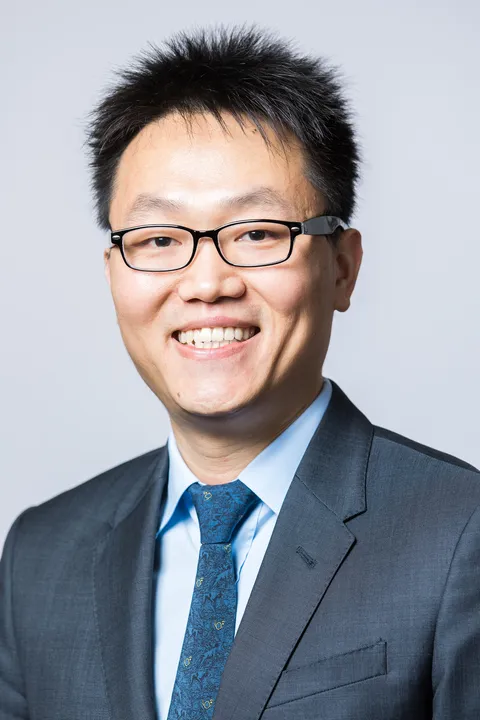
Dr Wei Sun is a Chancellor's Fellow in Energy Systems Integration within the School of Engineering. His research focuses on the planning and operation of low-carbon energy systems with high renewable penetration, utilising applied data science and advanced optimisation techniques. Dr Sun holds a Visiting Research Fellowship at UCL.
Dr Sun has extensive experience in energy modelling at different scales. He previously worked on building a multi-scale energy system integration architecture for the National Centre for Energy Systems Integration (CESI) and served as a lead researcher on the Hydrogen’s Value in the Energy System (HYVE) project. He has also contributed to the RESTLESS and ARIES energy resilience projects.
Dr Sun’s recent work addresses the critical energy challenges posed by the rapid growth of Artificial Intelligence. He focuses on quantifying the flexibility of data centres and optimising their integration into the power grid to support net-zero targets.
Dr Sun recently organised the International Workshop on Managing Global Energy Demand of AI Data Centres (Imperial College London, 2025).
Invited talks for IEEE PES International Meeting (PESIM) 2026, Assessing Data Center Flexibility in Low-carbon Power System: Current Capabilities and Future Prospects
Selected Recent Publications
Open PhD Opportunity
Topic: Improve the Energy Sustainability of AI Data Centers in Future Energy System
Teaming up with Dr Andrew Lyden, Dr Sun works on PyPSA-GB, an open-source model of the Great Britain power system. Moving away from "black box" commercial tools, the team advocates for transparent, reproducible energy modelling. Their research utilises high-fidelity simulations to stress-test grid resilience against extreme weather, analyse security of supply risks in Scotland, and optimise flexibility assets to minimise renewable curtailment.
Key Output